 EN
EN

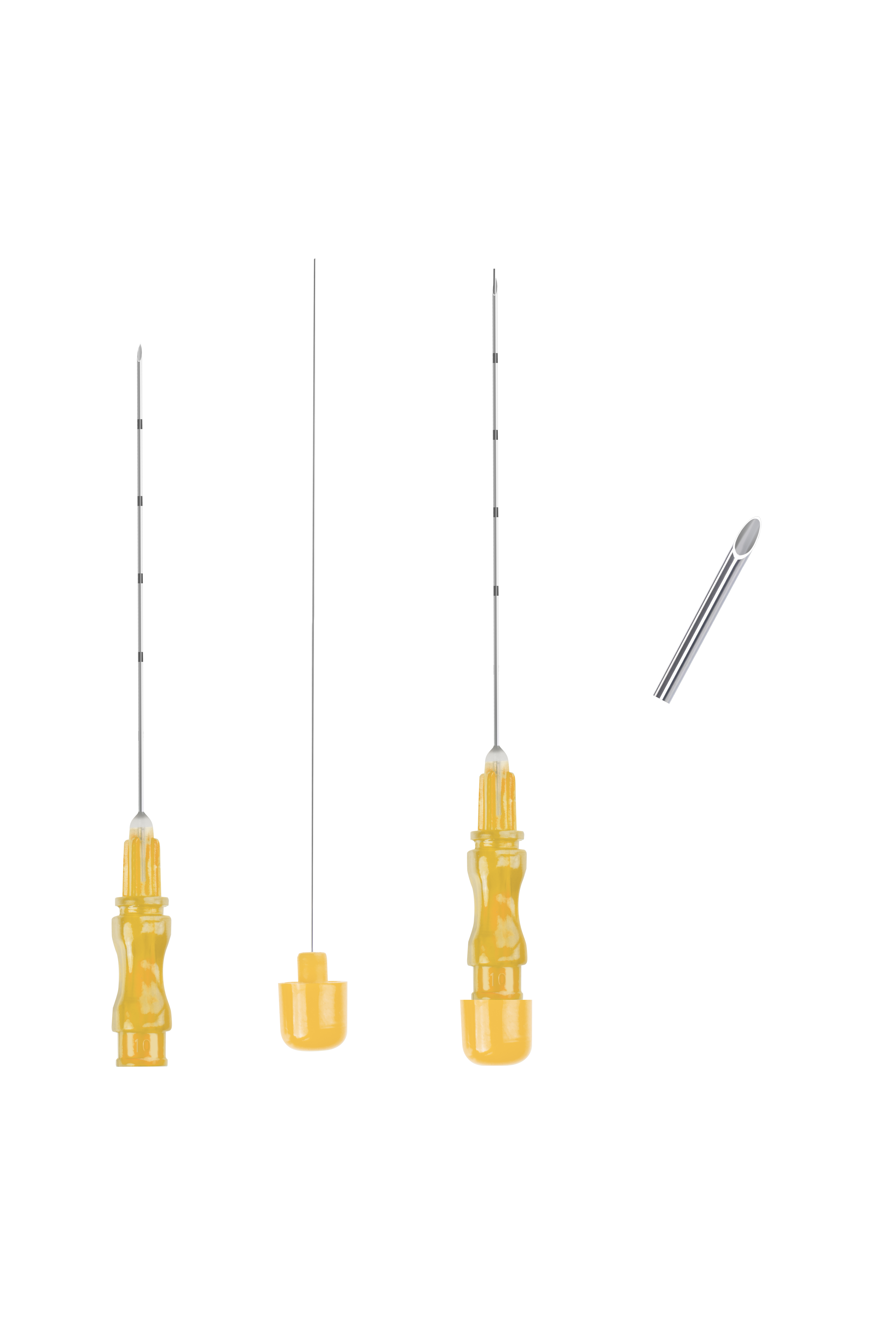
Medical professionals performing lumbar punctures and spinal anesthesia procedures rely heavily on the precision and reliability of their instruments. Among the various needle designs available, Quincke-type spinal needles have established themselves as the gold standard for specific diagnostic and therapeutic applications. These specialized needles feature a distinctive cutting bevel design that offers unique advantages in cerebrospinal fluid collection, spinal anesthesia administration, and various neurological diagnostic procedures. Understanding why healthcare providers choose these particular needles for certain diagnoses requires examining their technical specifications, clinical benefits, and practical applications in modern medical practice.
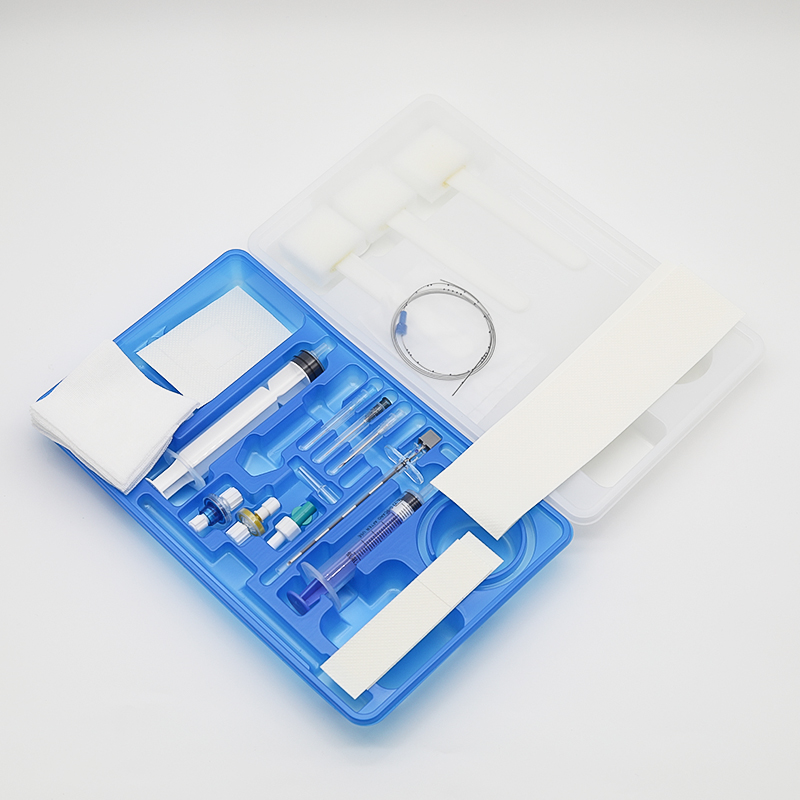
Design Characteristics and Technical Specifications
Cutting Bevel Configuration
The hallmark feature of Quincke-type spinal needles lies in their sharp, angular cutting bevel design. This configuration creates a precise penetration point that cleanly separates tissue fibers during insertion. The cutting bevel typically maintains an angle between 12 and 15 degrees, optimizing the balance between sharpness and structural integrity. This design allows the needle to penetrate the dura mater with minimal resistance while maintaining excellent tactile feedback for the clinician.
The cutting edge of these needles undergoes specialized manufacturing processes to ensure consistent sharpness and durability. Advanced metallurgy techniques create a blade edge that remains sharp throughout the procedure while resisting deformation. This precision engineering results in needles that can navigate through multiple tissue layers with remarkable accuracy, making them particularly valuable for complex diagnostic procedures where precision is paramount.
Needle Gauge and Length Variations
Quincke-type spinal needles are manufactured in various gauges ranging from 18 to 27, with each size serving specific clinical applications. The gauge selection directly impacts fluid flow rates, patient comfort, and the risk of post-procedural complications. Larger gauge needles facilitate faster cerebrospinal fluid collection, while smaller gauges reduce tissue trauma and minimize post-lumbar puncture headaches.
Length specifications for these needles typically range from 70mm to 150mm, accommodating patients with varying body compositions and anatomical considerations. The needle length selection becomes crucial when dealing with obese patients or those with specific spinal anatomical variations. Proper length selection ensures adequate penetration depth while maintaining safety margins and procedural control.
Clinical Applications and Diagnostic Advantages
Cerebrospinal Fluid Collection
The primary diagnostic application for Quincke-type spinal needles involves cerebrospinal fluid collection for laboratory analysis. The cutting bevel design facilitates clean penetration through the ligamentum flavum and dura mater, creating a precise opening that allows for controlled fluid withdrawal. This clean penetration minimizes tissue damage and reduces the risk of contaminating the collected specimen with blood or other tissue debris.
During CSF collection procedures, the sharp cutting bevel provides tactile feedback that helps clinicians identify the precise moment of dural penetration. This sensory information proves invaluable when performing lumbar punctures in challenging cases, such as patients with calcified ligaments or previous spinal surgery. The ability to feel tissue layers during needle advancement enhances procedural safety and increases success rates in difficult cases.
Neurological Diagnostic Procedures
Quincke-type spinal needles excel in various neurological diagnostic applications beyond simple CSF collection. These procedures include intrathecal contrast injection for myelography, measurement of intracranial pressure, and therapeutic CSF drainage. The precision cutting bevel allows for accurate needle positioning within the subarachnoid space, ensuring reliable results in diagnostic imaging studies.
The needles prove particularly valuable when performing diagnostic procedures that require multiple fluid samples or prolonged needle placement. The clean tissue penetration created by the cutting bevel maintains a stable pathway that resists closure during extended procedures. This stability becomes especially important when collecting serial CSF samples for dynamic pressure studies or when performing therapeutic drainage procedures.
Advantages Over Alternative Needle Designs
Comparison with Pencil-Point Needles
While pencil-point needles offer reduced post-procedural headache rates, Quincke-type spinal needles provide superior tactile feedback and faster CSF flow rates. The cutting bevel design creates a larger effective opening in the dura compared to the splitting action of pencil-point needles. This larger opening facilitates more efficient fluid collection, particularly important when substantial CSF volumes are required for comprehensive diagnostic testing.
The sharp cutting action of Quincke-type needles also provides more precise control during needle advancement through calcified or thickened ligaments. Elderly patients or those with degenerative spinal conditions often present challenging anatomy that benefits from the decisive cutting action of these needles. The ability to penetrate tough tissue layers with controlled force reduces the risk of needle deflection and improves procedural accuracy.
Enhanced Flow Characteristics
The cutting bevel design of Quincke-type spinal needles creates superior flow characteristics compared to other needle types. The sharp, clean opening in the dura allows for laminar flow patterns that minimize turbulence and facilitate accurate pressure measurements. These flow characteristics prove particularly important when performing diagnostic procedures that rely on precise pressure readings or when collecting CSF samples for cell count analysis where sample integrity is crucial.
The improved flow rates associated with these needles also reduce procedure time, which benefits both patient comfort and clinical efficiency. Faster CSF collection means shorter procedure duration, reducing patient anxiety and minimizing the risk of needle displacement during prolonged procedures. This efficiency advantage becomes particularly apparent in emergency diagnostic situations where rapid CSF analysis is required for immediate clinical decision-making.
Specific Medical Conditions and Indications
Infectious Disease Diagnosis
Quincke-type spinal needles play a crucial role in diagnosing central nervous system infections such as bacterial meningitis, viral encephalitis, and fungal infections. The rapid CSF collection capability of these needles proves essential in emergency situations where immediate diagnosis can be life-saving. The clean penetration and reliable flow characteristics ensure that adequate CSF volumes can be collected quickly for comprehensive microbiological testing.
In cases of suspected bacterial meningitis, the ability to collect CSF rapidly using Quincke-type needles can significantly impact patient outcomes. The cutting bevel design allows for efficient sample collection even when CSF pressure is elevated, a common finding in acute infectious processes. This reliability in challenging conditions makes these needles the preferred choice for emergency department and intensive care unit procedures.
Oncological Applications
Cancer diagnosis and staging often require CSF analysis to detect malignant cells or measure tumor markers. Quincke-type spinal needles provide the precision necessary for collecting high-quality specimens suitable for cytological examination. The clean cutting action minimizes cellular trauma during collection, preserving cell morphology essential for accurate cancer cell identification.
The needles also facilitate therapeutic applications in oncology, including intrathecal chemotherapy administration and CSF drainage for symptomatic relief of increased intracranial pressure. The reliable tissue penetration and stable needle positioning make these procedures safer and more effective. The ability to maintain accurate needle placement during extended therapeutic procedures reduces the risk of complications and improves treatment outcomes.
Technical Considerations and Best Practices
Insertion Technique Optimization
Proper insertion technique maximizes the advantages of Quincke-type spinal needles while minimizing potential complications. The cutting bevel should be oriented with the sharp edge perpendicular to the longitudinal spinal ligament fibers, allowing the needle to cut through tissue layers rather than deflect off them. This orientation provides optimal tactile feedback and reduces the force required for tissue penetration.
The insertion angle and depth control become critical factors when using these needles in patients with anatomical variations or previous spinal surgery. The sharp cutting bevel requires careful force modulation to prevent sudden advancement once tissue resistance decreases. Experienced clinicians develop a feel for the progressive tissue layers, using the cutting characteristics of Quincke-type spinal needles to guide accurate needle placement.
Safety Protocols and Risk Management
Safety protocols for Quincke-type spinal needles focus on preventing complications such as post-lumbar puncture headaches, infection, and neural injury. Proper sterile technique becomes paramount when using these needles, as their efficient tissue penetration can also facilitate bacterial introduction if sterility is compromised. Comprehensive skin preparation and sterile field maintenance are essential components of safe needle procedures.
Risk management strategies include careful patient selection, appropriate needle gauge selection, and post-procedure monitoring protocols. The cutting action of these needles requires particular attention to needle advancement control, especially when approaching critical structures. Proper training in needle handling techniques and recognition of anatomical landmarks helps ensure safe and effective use of Quincke-type spinal needles in clinical practice.
Manufacturing Standards and Quality Control
Material Specifications and Testing
Modern Quincke-type spinal needles undergo rigorous manufacturing processes to ensure consistent quality and performance. The needle material typically consists of medical-grade stainless steel with specific hardness and flexibility characteristics. Advanced metallurgical testing verifies the material properties, ensuring that the cutting bevel maintains its sharpness throughout the procedure while resisting breakage or deformation under normal use conditions.
Quality control testing includes sharpness verification, dimensional accuracy measurement, and sterility validation. Each manufacturing batch undergoes comprehensive testing to verify that the cutting bevel angle remains within specified tolerances and that the needle shaft maintains proper straightness and flexibility. These quality measures ensure that clinicians can rely on consistent performance from Quincke-type spinal needles across different manufacturers and production runs.
Regulatory Compliance and Standards
Manufacturing of Quincke-type spinal needles must comply with strict regulatory standards established by medical device authorities worldwide. These standards govern material selection, manufacturing processes, sterilization methods, and packaging requirements. Compliance verification includes extensive documentation of manufacturing processes and regular facility inspections to ensure continued adherence to quality standards.
International standards organizations have established specific requirements for spinal needle design, testing, and labeling. These standards ensure that Quincke-type spinal needles meet consistent performance criteria regardless of manufacturer or geographic origin. Regulatory compliance provides healthcare providers with confidence in the safety and effectiveness of these critical medical instruments.
Future Developments and Innovations
Advanced Materials and Coatings
Research into advanced needle materials and surface coatings promises to enhance the performance of Quincke-type spinal needles further. Specialized coatings can reduce friction during tissue penetration while maintaining the sharp cutting characteristics essential for proper function. These innovations may lead to needles that require less insertion force while providing improved tactile feedback to clinicians.
Biocompatible coatings and surface treatments are being developed to reduce tissue reaction and minimize the risk of complications. These advanced materials maintain the cutting effectiveness of traditional Quincke-type spinal needles while potentially reducing inflammatory responses at the puncture site. Such innovations could lead to improved patient comfort and reduced recovery times following spinal procedures.
Integration with Imaging Technology
Emerging technologies are exploring the integration of imaging guidance systems with traditional needle designs. Future Quincke-type spinal needles may incorporate ultrasound-compatible materials or magnetic resonance imaging-compatible components to enhance procedural guidance. These technological advances could improve needle placement accuracy while maintaining the proven advantages of the cutting bevel design.
Advanced manufacturing techniques, including precision laser cutting and computer-controlled grinding, are producing Quincke-type spinal needles with increasingly precise cutting bevel geometries. These manufacturing improvements result in needles with enhanced performance characteristics and more consistent clinical outcomes. The combination of traditional design principles with modern manufacturing technology continues to advance the capabilities of these essential medical instruments.
FAQ
What makes Quincke-type spinal needles different from other spinal needle designs?
Quincke-type spinal needles feature a sharp, angular cutting bevel that cleanly separates tissue fibers during insertion, providing superior tactile feedback and faster cerebrospinal fluid flow rates compared to pencil-point needles. This cutting design allows for more precise needle control and efficient fluid collection, particularly important in diagnostic procedures requiring substantial CSF volumes or in patients with challenging anatomy.
When are Quincke-type spinal needles preferred over pencil-point needles?
Healthcare providers typically choose Quincke-type spinal needles when rapid CSF collection is essential, such as in emergency diagnostic situations for suspected meningitis or when substantial fluid volumes are needed for comprehensive testing. They are also preferred when dealing with calcified ligaments or thickened tissue layers where the cutting action provides better penetration control and accuracy compared to the splitting action of pencil-point needles.
What are the main advantages of the cutting bevel design in diagnostic procedures?
The cutting bevel design provides several key advantages including enhanced tactile feedback during needle advancement, faster CSF flow rates for efficient sample collection, and superior penetration through tough or calcified tissue layers. This design also creates a clean opening in the dura that maintains stability during extended procedures and facilitates accurate pressure measurements essential for certain diagnostic tests.
How do Quincke-type spinal needles improve safety in spinal procedures?
The precise cutting action of Quincke-type spinal needles enhances safety by providing better control during tissue penetration and reducing the risk of needle deflection in challenging anatomy. The superior tactile feedback helps clinicians identify tissue layers more accurately, while the efficient penetration characteristics minimize the force required for needle advancement, reducing the risk of sudden, uncontrolled needle movement that could cause complications.
Table of Contents
- Design Characteristics and Technical Specifications
- Clinical Applications and Diagnostic Advantages
- Advantages Over Alternative Needle Designs
- Specific Medical Conditions and Indications
- Technical Considerations and Best Practices
- Manufacturing Standards and Quality Control
- Future Developments and Innovations
-
FAQ
- What makes Quincke-type spinal needles different from other spinal needle designs?
- When are Quincke-type spinal needles preferred over pencil-point needles?
- What are the main advantages of the cutting bevel design in diagnostic procedures?
- How do Quincke-type spinal needles improve safety in spinal procedures?