 EN
EN

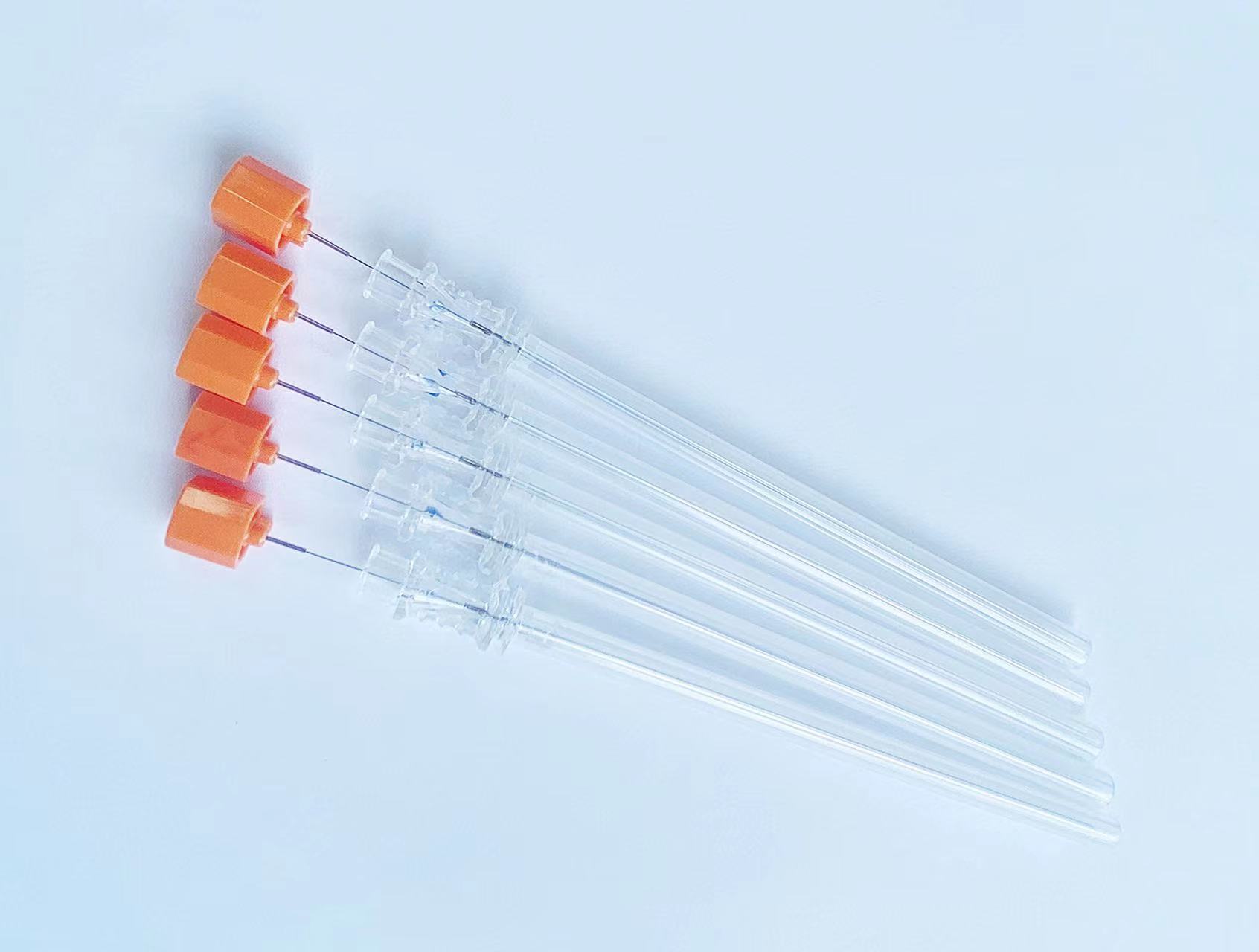
Post-dural puncture headache remains one of the most concerning complications in neuraxial anesthesia and spinal procedures. The development of specialized spinal needle designs has revolutionized patient outcomes, with pencil-point configurations offering significant advantages over traditional cutting needles. Understanding the mechanics behind these innovations helps healthcare professionals make informed decisions about patient care and procedural success rates.

Understanding the Anatomy of Post-Dural Puncture Headache
The Dural Membrane Structure and Function
The dura mater serves as the outermost protective membrane surrounding the brain and spinal cord, maintaining cerebrospinal fluid pressure and creating a barrier against external contaminants. When a spinal needle penetrates this membrane during lumbar puncture or spinal anesthesia, the size and nature of the resulting hole directly influences cerebrospinal fluid leakage rates. Traditional cutting spinal needle designs create tears in the dural fibers, leading to larger effective hole sizes than the actual needle gauge would suggest.
The cerebrospinal fluid system maintains delicate pressure dynamics throughout the central nervous system, with any disruption potentially triggering compensatory mechanisms. Research demonstrates that even small increases in cerebrospinal fluid leakage can precipitate the characteristic orthostatic headaches associated with post-dural puncture syndrome. Understanding this relationship helps explain why spinal needle design modifications have focused on minimizing dural trauma while maintaining procedural effectiveness.
Pathophysiology of Cerebrospinal Fluid Loss
Cerebrospinal fluid production occurs continuously at approximately 500 milliliters per day in healthy adults, with the choroid plexus serving as the primary production site. When dural puncture creates an abnormal communication between the subarachnoid space and epidural space, gravity-dependent positioning can exacerbate fluid loss through the puncture site. The resulting intracranial hypotension triggers compensatory vasodilation and venous engorgement, creating the characteristic throbbing headache pattern.
Clinical manifestations typically develop within 24-48 hours following dural puncture, with symptoms worsening in upright positions and improving with recumbency. The severity of symptoms correlates directly with the rate of ongoing cerebrospinal fluid loss, making prevention through appropriate spinal needle selection a critical consideration in procedural planning. Modern understanding of this pathophysiology has driven innovations in needle design aimed at reducing initial trauma and promoting faster dural healing.
Pencil-Point Needle Design Innovations
Structural Differences from Cutting Needles
Pencil-point spinal needle designs feature rounded, non-cutting tips that separate dural fibers rather than severing them during insertion. The characteristic side port located proximal to the needle tip allows cerebrospinal fluid aspiration and medication injection while maintaining the structural integrity of the dural membrane. This fundamental design difference represents a paradigm shift from traditional beveled cutting needles that create linear tears in dural tissue.
The geometric configuration of pencil-point needles distributes insertion forces over a broader area, reducing peak pressures at the dural interface. Manufacturing precision ensures consistent tip geometry and smooth surface finishes that minimize tissue trauma during advancement through anatomical planes. Quality control measures in modern spinal needle production maintain these critical design parameters across large production volumes, ensuring reliable clinical performance.
Biomechanical Advantages in Tissue Interaction
The blunt-tip design of pencil-point needles creates a spreading action that gently displaces collagen fibers within the dural membrane rather than cutting through them. This mechanical interaction preserves the natural elasticity of dural tissue, allowing fibers to contract around the needle shaft and create a tighter seal during insertion. Electron microscopy studies have confirmed that fiber separation techniques result in smaller effective hole sizes compared to cutting methods using equivalent gauge needles.
Force distribution analysis demonstrates that pencil-point needles require slightly higher insertion pressures but generate significantly lower peak stress concentrations at tissue interfaces. The gradual tissue displacement reduces cellular damage and inflammatory responses that can complicate healing processes. These biomechanical advantages translate directly into improved clinical outcomes through reduced cerebrospinal fluid leakage rates and faster dural membrane repair.
Clinical Evidence Supporting Reduced Headache Incidence
Comparative Studies and Meta-Analyses
Multiple randomized controlled trials have demonstrated statistically significant reductions in post-dural puncture headache rates when using pencil-point spinal needle designs compared to traditional cutting needles. Large-scale meta-analyses encompassing thousands of patients consistently show headache incidence reductions of 50-80% with pencil-point needles across various gauge sizes. These findings remain consistent across different patient populations, procedural indications, and healthcare settings.
Systematic reviews have established that the protective effect of pencil-point spinal needle designs remains significant even when controlling for operator experience, patient demographics, and procedural complexity. The evidence base includes studies from obstetric anesthesia, diagnostic lumbar puncture, and therapeutic spinal interventions, demonstrating broad applicability of these design benefits. Long-term follow-up studies confirm sustained reductions in headache severity and duration when pencil-point needles are utilized.
Patient Satisfaction and Recovery Metrics
Patient-reported outcome measures consistently favor pencil-point spinal needle use, with significant improvements in post-procedural comfort scores and earlier return to normal activities. Hospital length of stay data shows reduced admission rates for post-dural puncture headache management when pencil-point needles are employed as standard practice. Quality of life assessments demonstrate maintained functional capacity in the immediate post-procedural period with fewer activity restrictions.
Economic analyses have quantified the cost-effectiveness of pencil-point spinal needle adoption, factoring in reduced complication management costs and improved patient throughput. Healthcare systems implementing standardized pencil-point needle protocols report decreased emergency department visits for post-procedural headache complaints. These outcomes data support institutional policy changes favoring pencil-point needle selection for routine spinal procedures.
Technical Considerations for Optimal Use
Proper Insertion Techniques
Successful pencil-point spinal needle insertion requires modified techniques that account for the blunt tip design and increased insertion forces. Practitioners should advance the needle with steady, controlled pressure rather than rapid thrusting motions that can cause tissue damage or needle deflection. The characteristic tactile feedback differs from cutting needles, with a more gradual sensation of dural penetration rather than the sharp pop associated with beveled tips.
Proper bevel orientation becomes critical with pencil-point designs, as the side port position relative to anatomical structures affects cerebrospinal fluid flow and medication distribution. Maintaining consistent needle alignment throughout the insertion process prevents unnecessary tissue trauma and ensures optimal side port positioning. Training protocols should emphasize these technique modifications to maximize the clinical benefits of pencil-point spinal needle designs.
Size Selection and Gauge Considerations
Pencil-point spinal needle selection should balance procedural requirements with headache prevention goals, considering that smaller gauge needles consistently demonstrate lower complication rates. Clinical evidence supports the use of 25-gauge or smaller needles for most spinal anesthesia applications, with 27-gauge needles showing particular promise for reducing post-dural puncture headache incidence. Diagnostic lumbar puncture procedures can often utilize even smaller gauges without compromising cerebrospinal fluid sampling adequacy.
The relationship between needle gauge and cerebrospinal fluid flow rates requires careful consideration in procedures requiring rapid injection or aspiration. While smaller gauge spinal needle options reduce headache risk, they may necessitate longer injection times or specialized equipment for adequate procedural completion. Balancing these competing factors requires individualized decision-making based on patient risk factors and procedural complexity.
Integration with Modern Procedural Techniques
Ultrasound-Guided Placement Benefits
The combination of ultrasound guidance with pencil-point spinal needle designs offers synergistic benefits for reducing complications and improving procedural success rates. Real-time visualization allows precise needle placement with fewer insertion attempts, minimizing cumulative tissue trauma and dural disruption. The enhanced accuracy possible with ultrasound guidance particularly benefits pencil-point needle use by reducing the need for needle repositioning or multiple insertion attempts.
Advanced ultrasound techniques enable visualization of needle tip position relative to critical anatomical structures, allowing practitioners to optimize side port placement for specific clinical objectives. The ability to confirm proper subarachnoid space entry before medication injection reduces the risk of incomplete blocks or complications from improper needle positioning. These technological advances complement the inherent safety advantages of pencil-point spinal needle designs.
Sterile Technique and Contamination Prevention
Modern spinal needle manufacturing incorporates advanced sterilization and packaging techniques that maintain sterility throughout the insertion process. Single-use disposable designs eliminate concerns about cross-contamination while ensuring consistent needle performance characteristics. The integration of pencil-point needles into comprehensive procedural kits streamlines workflow while maintaining strict sterile technique requirements.
Quality assurance protocols in spinal needle production include testing for tip geometry consistency, surface roughness, and sterility validation across manufacturing lots. These quality measures ensure that the clinical benefits demonstrated in research studies translate reliably into routine clinical practice. Healthcare institutions can implement standardized protocols that leverage these quality improvements to optimize patient outcomes consistently.
Future Developments and Innovations
Advanced Materials and Coatings
Ongoing research into biocompatible materials and surface treatments aims to further reduce tissue trauma associated with spinal needle insertion. Hydrophilic coatings and specialized lubricants show promise for reducing insertion forces while maintaining the tissue-preserving characteristics of pencil-point designs. These material innovations complement existing design advantages by addressing additional aspects of the tissue interaction process.
Nanotechnology applications in spinal needle manufacturing may enable even more precise control over surface characteristics and biocompatibility properties. Advanced polymer compositions could provide improved flexibility characteristics that conform better to patient anatomy while maintaining necessary structural integrity. These technological advances represent the next evolution in spinal needle design optimization for patient safety.
Smart Needle Technology Integration
Emerging technologies incorporate sensors and feedback systems into spinal needle designs to provide real-time information about insertion depth, tissue resistance, and cerebrospinal fluid pressure. These smart needle technologies could further enhance the safety profile of pencil-point designs by providing objective confirmation of proper placement. Integration with electronic health record systems could enable automated documentation and quality monitoring of spinal procedures.
Artificial intelligence applications may eventually provide predictive analytics for optimal spinal needle selection based on patient-specific factors and historical outcome data. These technological integrations represent the convergence of traditional medical device engineering with modern information technology to create comprehensive solutions for spinal procedure optimization. The foundation provided by proven pencil-point designs positions these needles well for integration with future technological advances.
FAQ
What makes pencil-point spinal needles different from traditional needles?
Pencil-point spinal needles feature rounded, blunt tips with side ports for fluid aspiration, unlike traditional cutting needles with sharp beveled edges. This design separates dural fibers rather than cutting them, creating smaller effective holes and reducing cerebrospinal fluid leakage. The resulting lower incidence of post-dural puncture headache makes pencil-point needles the preferred choice for many spinal procedures.
Are pencil-point needles more difficult to insert than cutting needles?
Pencil-point needles typically require slightly higher insertion forces due to their blunt design, but this difference is minimal with proper technique. The gradual tissue displacement provides different tactile feedback compared to cutting needles, requiring practitioners to adapt their insertion approach. Most clinicians find the technique modification straightforward with appropriate training and experience.
Do pencil-point needles work equally well across all patient populations?
Clinical evidence demonstrates consistent benefits of pencil-point spinal needle designs across diverse patient populations, including obstetric, geriatric, and pediatric applications. The headache reduction benefits appear particularly pronounced in younger patients and those undergoing elective procedures. While individual patient factors may influence outcomes, pencil-point needles generally provide superior safety profiles regardless of demographic characteristics.
How do healthcare facilities justify the potentially higher cost of pencil-point needles?
Economic analyses consistently demonstrate cost-effectiveness of pencil-point spinal needle adoption when considering reduced complication management expenses, shorter hospital stays, and improved patient satisfaction scores. The decreased incidence of post-dural puncture headache translates directly into lower overall treatment costs and reduced liability exposure. Most healthcare systems find that the clinical benefits justify any incremental equipment costs through improved patient outcomes and operational efficiency.
Table of Contents
- Understanding the Anatomy of Post-Dural Puncture Headache
- Pencil-Point Needle Design Innovations
- Clinical Evidence Supporting Reduced Headache Incidence
- Technical Considerations for Optimal Use
- Integration with Modern Procedural Techniques
- Future Developments and Innovations
-
FAQ
- What makes pencil-point spinal needles different from traditional needles?
- Are pencil-point needles more difficult to insert than cutting needles?
- Do pencil-point needles work equally well across all patient populations?
- How do healthcare facilities justify the potentially higher cost of pencil-point needles?