 EN
EN

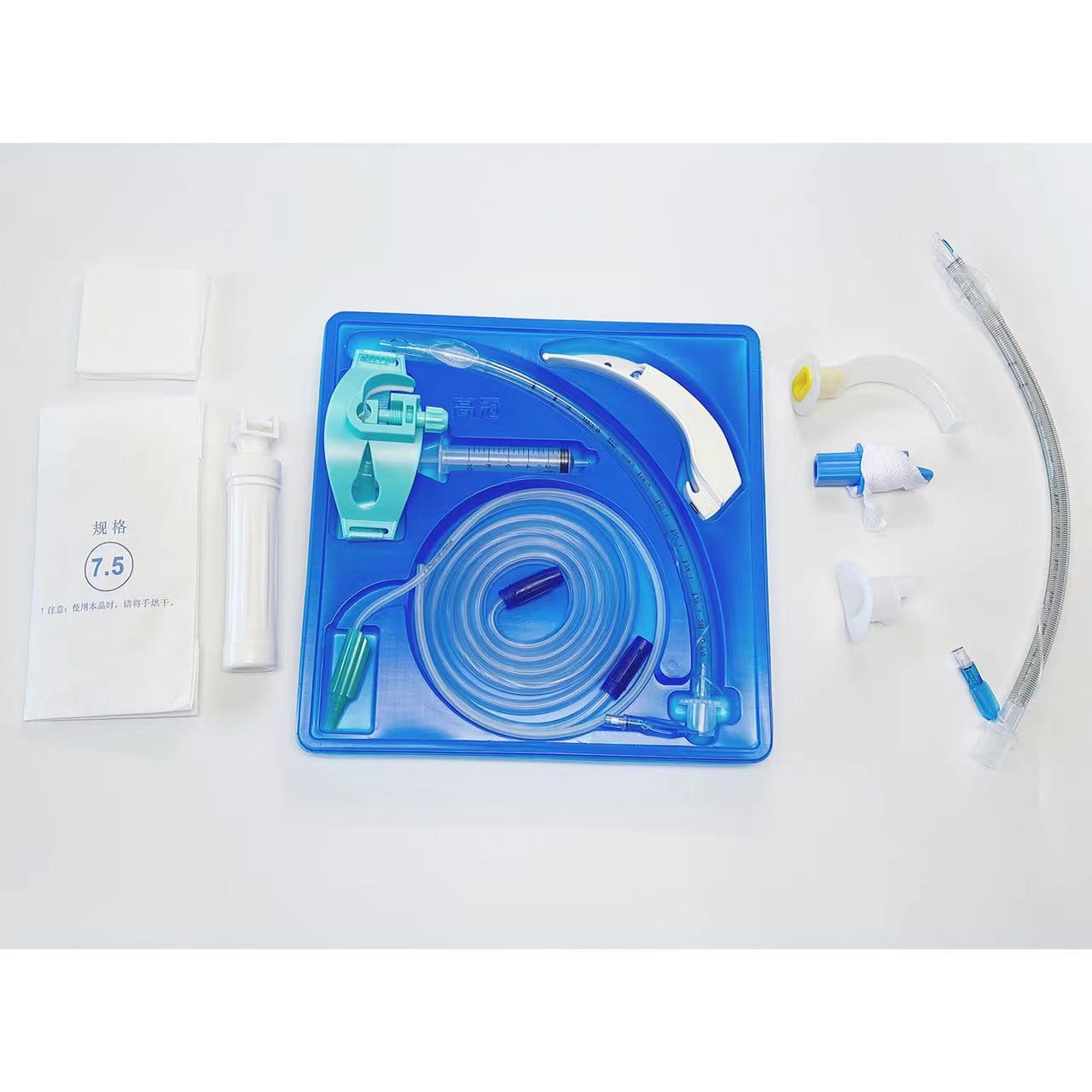
The epidural needle represents one of the most critical instruments in modern anesthesia and pain management procedures. Healthcare professionals worldwide rely on these specialized medical devices to deliver targeted pain relief during childbirth, surgical procedures, and chronic pain treatments. Understanding proper handling techniques for epidural needles is essential for ensuring patient safety, procedure success, and optimal clinical outcomes. The complexity of epidural procedures demands meticulous attention to detail, from initial preparation through final disposal of the needle.

Medical professionals must maintain the highest standards when working with epidural needles due to the delicate nature of spinal anatomy and the potential for serious complications. The epidural space, located between the dura mater and the vertebral canal, requires precise needle placement to achieve effective anesthesia while avoiding damage to surrounding neural structures. Proper technique begins with thorough understanding of needle design, patient positioning, and sterile handling protocols that protect both patient and practitioner throughout the procedure.
Essential Pre-Procedure Preparation Techniques
Sterile Environment Setup
Creating a sterile environment forms the foundation of safe epidural needle handling. Medical practitioners must establish a comprehensive sterile field that extends beyond the immediate injection site to accommodate all necessary equipment and instruments. The preparation area should include sterile drapes, antiseptic solutions, and properly organized epidural needle components arranged in order of use. Every surface that may come into contact with the epidural needle must undergo appropriate disinfection protocols to eliminate potential sources of contamination.
Healthcare providers must perform thorough hand hygiene followed by proper gowning and gloving procedures before handling any epidural needle components. The sterile technique requires maintaining awareness of sterile versus non-sterile areas throughout the preparation phase. Special attention must be paid to packaging integrity, ensuring that epidural needle packaging remains sealed until the moment of use. Any compromise in packaging integrity necessitates immediate replacement with a new, sterile epidural needle to maintain safety standards.
Equipment Inspection and Verification
Comprehensive equipment inspection represents a critical safety step in epidural needle handling. Medical professionals must examine each epidural needle for manufacturing defects, damage during transport, or any irregularities that could compromise procedure safety. Visual inspection should include checking needle tip sharpness, hub integrity, and overall structural soundness. The epidural needle gauge, length, and design specifications must match the specific requirements of the planned procedure and patient anatomy.
Documentation protocols require verification of epidural needle lot numbers, expiration dates, and manufacturer specifications before clinical use. Healthcare facilities typically maintain detailed records of all epidural needle inventory to ensure traceability and quality control. Practitioners should also verify the availability of backup epidural needles and emergency equipment before beginning any procedure. This preparation phase helps prevent delays and complications that could arise from equipment failures or unexpected procedural challenges.
Proper Needle Handling During Insertion
Optimal Grip and Control Techniques
Achieving optimal control during epidural needle insertion requires mastery of proper grip techniques that balance precision with stability. The dominant hand should maintain a firm but flexible hold on the epidural needle hub, allowing for fine adjustments while preventing excessive force application. Many experienced practitioners prefer a modified pencil grip that provides maximum tactile feedback during needle advancement. The non-dominant hand plays a crucial supporting role, helping to stabilize the needle and maintain consistent insertion angle throughout the procedure.
Pressure application must remain controlled and gradual when advancing the epidural needle through tissue layers. Sudden or excessive force can result in unintended dural puncture, nerve damage, or needle deflection from the intended path. Practitioners should maintain steady, continuous pressure while monitoring for characteristic resistance changes that indicate needle progression through different anatomical layers. The loss of resistance technique relies on subtle tactile feedback that requires extensive training and experience to master effectively.
Depth Control and Positioning
Accurate depth control represents one of the most challenging aspects of epidural needle manipulation. Healthcare providers must develop a keen understanding of anatomical landmarks and individual patient variations that influence needle insertion depth. The epidural needle advancement should proceed in small, measured increments to allow for continuous assessment of needle position and tissue response. Real-time feedback through tactile sensation helps guide proper needle placement within the epidural space.
Patient positioning significantly influences epidural needle insertion success and safety outcomes. Proper positioning ensures optimal spine flexion, which opens intervertebral spaces and facilitates needle access to the epidural space. Healthcare providers must maintain consistent needle angle and trajectory throughout insertion, adjusting technique based on individual patient anatomy and procedural requirements. Fluoroscopic guidance or ultrasound assistance may enhance needle positioning accuracy in challenging cases or when anatomical landmarks are difficult to identify.
Safety Protocols and Risk Management
Contamination Prevention Strategies
Preventing contamination during epidural needle procedures requires implementation of comprehensive infection control protocols. Healthcare providers must maintain strict aseptic technique throughout all phases of needle handling, from initial preparation through final disposal. The epidural needle should never contact non-sterile surfaces, and any suspected contamination requires immediate needle replacement. Multiple barrier protection strategies, including sterile drapes and appropriate personal protective equipment, help minimize contamination risks during extended procedures.
Environmental factors within the procedure room must support contamination prevention efforts. Air circulation systems, traffic patterns, and personnel movement should be controlled to minimize airborne contaminant introduction. Healthcare facilities implement specific protocols for epidural needle storage, preparation, and disposal that align with established infection prevention guidelines. Regular training updates ensure that all personnel involved in epidural procedures maintain current knowledge of contamination prevention best practices.
Complication Recognition and Response
Early recognition of potential complications during epidural needle insertion enables prompt intervention and improved patient outcomes. Healthcare providers must monitor for signs of inadvertent dural puncture, blood vessel injury, or nerve trauma throughout the procedure. Changes in patient response, unexpected resistance patterns, or abnormal fluid return through the epidural needle may indicate complications requiring immediate attention. Comprehensive training in complication recognition helps practitioners identify problems before they progress to serious adverse events.
Response protocols for epidural needle complications must be clearly defined and regularly practiced by healthcare teams. Immediate interventions may include needle repositioning, procedure termination, or emergency medical management depending on the nature and severity of complications encountered. Documentation requirements mandate detailed recording of all procedural events, including any complications or deviations from standard epidural needle handling protocols. Post-procedure monitoring continues to play a vital role in detecting delayed complications that may not be immediately apparent.
Post-Procedure Management and Documentation
Proper Needle Disposal Protocols
Safe disposal of epidural needles follows strict medical waste management protocols designed to protect healthcare workers and environmental safety. Used epidural needles must be immediately placed in approved sharps containers without recapping or manipulation that could increase injury risk. Healthcare facilities maintain specific procedures for sharps container management, including proper labeling, storage, and disposal timing. The epidural needle disposal process requires documentation to ensure compliance with regulatory requirements and institutional policies.
Training programs emphasize the importance of immediate epidural needle disposal following procedure completion. Delayed disposal increases the risk of accidental needle stick injuries and potential contamination of the clinical environment. Healthcare providers must remain vigilant about proper disposal practices, even during emergency situations or high-stress procedures. Regular safety assessments evaluate disposal protocol compliance and identify opportunities for improvement in epidural needle waste management systems.
Clinical Documentation Requirements
Comprehensive documentation of epidural needle procedures serves multiple purposes, including quality assurance, legal protection, and continuous improvement initiatives. Medical records must include detailed information about epidural needle specifications, insertion technique, patient response, and any complications encountered during the procedure. Standardized documentation forms help ensure consistency and completeness of epidural needle procedure records across healthcare facilities and providers.
Quality improvement programs rely on accurate epidural needle procedure documentation to identify trends, assess outcomes, and implement evidence-based practice improvements. Healthcare organizations analyze documentation patterns to evaluate epidural needle performance, practitioner competency, and patient safety metrics. Regular review of epidural needle documentation helps identify training needs, equipment improvements, and protocol modifications that enhance overall procedure quality and safety outcomes.
Advanced Handling Techniques for Challenging Cases
Anatomical Variation Adaptations
Healthcare providers must develop advanced epidural needle handling skills to address anatomical variations that complicate standard insertion techniques. Patients with spinal deformities, previous surgical interventions, or unusual anatomical features require modified approaches to epidural needle placement. Advanced imaging guidance, alternative insertion approaches, or specialized epidural needle designs may be necessary to achieve successful outcomes in challenging cases. Practitioners must maintain extensive knowledge of anatomical variations and their implications for epidural needle procedures.
Obesity presents specific challenges for epidural needle insertion that require specialized handling techniques and equipment considerations. Increased tissue depth necessitates longer epidural needles and modified insertion angles to reach the epidural space successfully. Healthcare providers must adjust their technique to accommodate limited anatomical landmark visibility and increased insertion forces required in obese patients. Ultrasound guidance becomes particularly valuable in these cases to improve epidural needle placement accuracy and reduce procedure complexity.
Emergency Situation Management
Emergency epidural needle procedures demand rapid execution while maintaining safety standards and proper handling techniques. Healthcare providers must balance speed requirements with careful attention to sterile technique and patient safety considerations. Pre-positioned emergency epidural needle kits help reduce preparation time while ensuring all necessary equipment remains readily available. Training scenarios that simulate emergency conditions help practitioners maintain competency in high-stress epidural needle procedures.
Team coordination becomes critical during emergency epidural needle procedures, with clear communication protocols and role assignments helping optimize procedural efficiency. Healthcare providers must maintain situational awareness while focusing on proper epidural needle handling under pressure. Emergency protocols should include backup plans for epidural needle complications or technical failures that could compromise patient care. Regular emergency drill exercises help teams practice coordinated epidural needle procedures under simulated crisis conditions.
FAQ
What are the most common mistakes in epidural needle handling that healthcare providers should avoid?
The most frequent epidural needle handling mistakes include inadequate sterile technique maintenance, excessive insertion force application, and insufficient pre-procedure equipment inspection. Healthcare providers often rush through preparation steps, leading to contamination risks or equipment failures during critical procedure moments. Another common error involves improper grip techniques that reduce tactile feedback and increase the risk of unintended tissue damage. Inadequate patient positioning and failure to recognize anatomical landmarks also contribute to epidural needle placement difficulties and potential complications.
How does epidural needle gauge selection affect handling requirements and procedural outcomes?
Epidural needle gauge selection significantly impacts handling characteristics, with larger gauge needles requiring more insertion force but providing better tactile feedback during advancement. Smaller gauge epidural needles offer reduced tissue trauma but may be more difficult to control and position accurately. Healthcare providers must adjust their handling technique based on needle gauge, with finer needles requiring more delicate manipulation and careful depth control. The choice of epidural needle gauge also affects medication flow rates and the ability to thread catheters for continuous anesthesia delivery.
What role does continuous education play in maintaining proper epidural needle handling competency?
Continuous education ensures healthcare providers maintain current knowledge of epidural needle handling best practices and emerging safety protocols. Regular training updates address new equipment designs, revised safety guidelines, and lessons learned from adverse event analyses. Simulation-based training provides opportunities for practitioners to refine epidural needle handling skills in controlled environments without patient risk. Competency assessments help identify areas for improvement and ensure that all healthcare providers meet established proficiency standards for epidural needle procedures.
How do technological advances influence modern epidural needle handling techniques and safety outcomes?
Technological advances have introduced ultrasound guidance, pressure monitoring systems, and improved needle designs that enhance epidural needle handling precision and safety. Modern epidural needles feature enhanced tip designs, better tactile feedback mechanisms, and integrated safety features that reduce complication risks. Digital monitoring systems provide real-time feedback during needle insertion, helping practitioners optimize placement accuracy and detect potential problems early. These technological improvements require updated training protocols and handling techniques to maximize their safety and efficacy benefits in clinical practice.
Table of Contents
- Essential Pre-Procedure Preparation Techniques
- Proper Needle Handling During Insertion
- Safety Protocols and Risk Management
- Post-Procedure Management and Documentation
- Advanced Handling Techniques for Challenging Cases
-
FAQ
- What are the most common mistakes in epidural needle handling that healthcare providers should avoid?
- How does epidural needle gauge selection affect handling requirements and procedural outcomes?
- What role does continuous education play in maintaining proper epidural needle handling competency?
- How do technological advances influence modern epidural needle handling techniques and safety outcomes?