 EN
EN

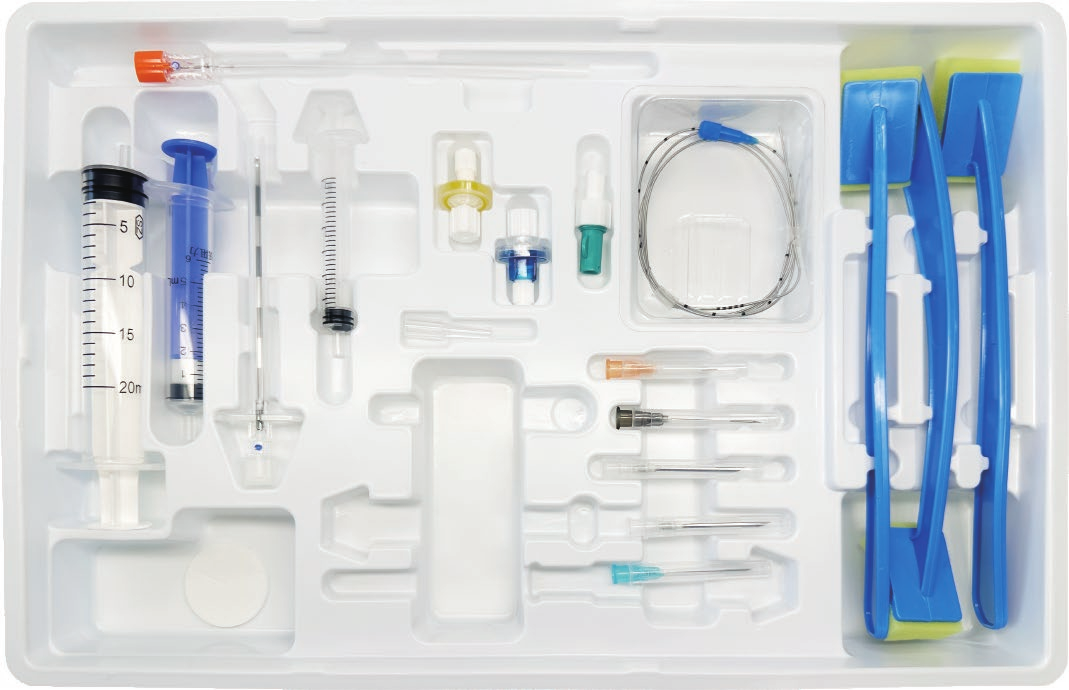
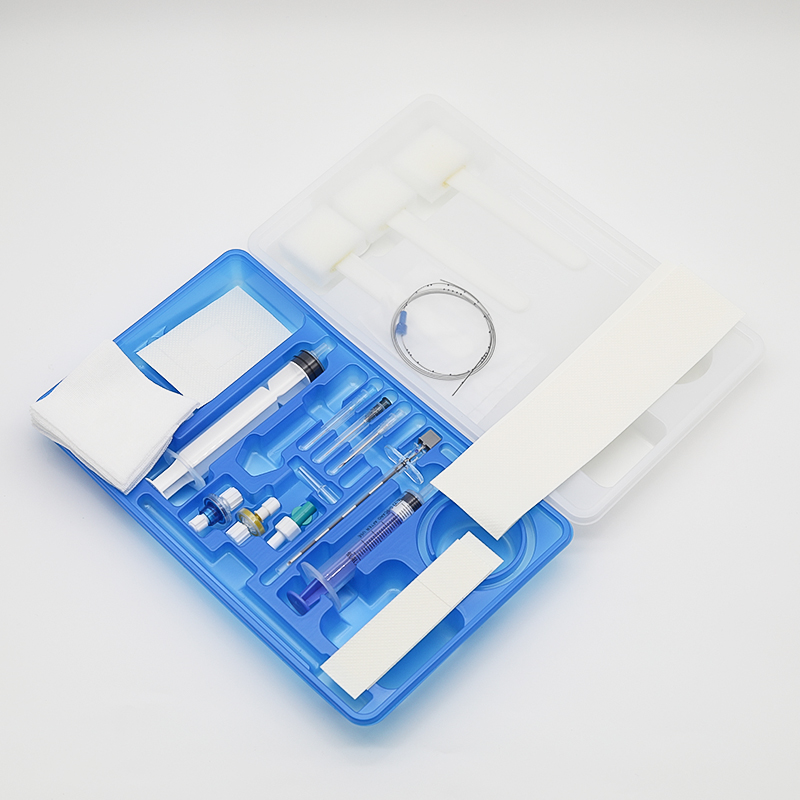
The Tuohy epidural needle stands as one of the most significant innovations in modern anesthesiology and pain management. This specialized medical instrument has revolutionized the way healthcare professionals approach epidural procedures, offering enhanced precision and safety during catheter placement. The unique design characteristics of the Tuohy epidural needle make it an indispensable tool for anesthesiologists worldwide, particularly when performing epidural blocks for surgical procedures, labor and delivery, and chronic pain management.
Design Features and Engineering Excellence
Curved Tip Technology
The most distinctive feature of the Tuohy epidural needle is its curved, blunt tip design. This curved configuration serves multiple critical functions during epidural procedures. Unlike traditional straight-tip needles, the curved tip of the Tuohy epidural needle allows for controlled directional guidance of the epidural catheter. The curvature creates a natural pathway that directs the catheter in a cephalad direction along the epidural space, reducing the risk of inadvertent puncture of surrounding tissues or blood vessels.
The engineering behind this curved tip involves precise manufacturing tolerances that ensure consistent performance across different needle sizes. The curvature angle is carefully calculated to provide optimal catheter guidance while maintaining structural integrity during insertion procedures. This design innovation significantly reduces the learning curve for medical professionals and enhances procedural success rates in clinical settings.
Bevel Configuration and Surface Properties
The bevel design of the Tuohy epidural needle incorporates specific angles and surface treatments that facilitate smooth tissue penetration. The blunt tip configuration minimizes trauma to surrounding tissues while providing adequate cutting ability to navigate through various anatomical layers. Surface treatments often include specialized coatings that reduce friction and improve needle insertion characteristics.
Manufacturing processes ensure that each Tuohy epidural needle meets stringent quality standards for surface smoothness and dimensional accuracy. These properties contribute to reduced insertion force requirements and improved tactile feedback for the operator, essential factors in successful epidural procedures. The bevel geometry also plays a crucial role in maintaining proper needle trajectory during insertion.
Clinical Applications and Procedural Advantages
Epidural Anesthesia in Surgical Procedures
The Tuohy epidural needle has become the gold standard for establishing epidural anesthesia in various surgical specialties. The curved tip design facilitates precise catheter placement, allowing anesthesiologists to achieve optimal anesthetic distribution throughout the epidural space. This precision is particularly valuable in complex surgical procedures where specific dermatome coverage is required for effective pain control.
Clinical studies have demonstrated that procedures performed with the Tuohy epidural needle show significantly improved success rates compared to alternative needle designs. The ability to thread catheters smoothly through the curved tip reduces procedure time and minimizes patient discomfort during insertion. These advantages translate to improved patient outcomes and enhanced procedural efficiency in busy operating room environments.
Obstetric and Labor Analgesia
In obstetric practice, the Tuohy epidural needle plays a vital role in providing effective labor analgesia. The precise catheter placement capabilities of this needle design ensure reliable pain relief throughout the labor process. The curved tip configuration allows for optimal catheter positioning that maintains consistent anesthetic delivery even as patient position changes during labor progression.
Healthcare providers appreciate the reproducible results achieved with the Tuohy epidural needle in obstetric settings. The design reduces the incidence of complications such as inadvertent dural puncture or vascular injury, critical safety considerations when treating pregnant patients. This reliability has made the Tuohy epidural needle the preferred choice in maternity units worldwide.
Technical Specifications and Manufacturing Standards
Size Variations and Gauge Options
The Tuohy epidural needle is manufactured in various gauge sizes to accommodate different clinical requirements and patient populations. Common gauge options include 16G, 17G, and 18G configurations, each designed for specific procedural needs. Larger gauge Tuohy epidural needles facilitate easier catheter threading and are preferred for procedures requiring rapid medication delivery or thick epidural catheters.
Manufacturing specifications ensure consistent internal diameter measurements across different gauge sizes, maintaining compatibility with standard epidural catheter systems. Length variations typically range from 8cm to 15cm, allowing healthcare providers to select appropriate needle dimensions based on patient anatomy and procedural requirements. These standardized dimensions ensure universal compatibility with existing medical equipment and supplies.
Material Composition and Biocompatibility
Modern Tuohy epidural needles are constructed from high-grade stainless steel alloys that provide optimal strength and corrosion resistance. The material selection process considers biocompatibility requirements, ensuring that needle components do not cause adverse reactions when in contact with human tissues. Advanced metallurgical processes create needle surfaces that resist protein adhesion and bacterial colonization.
Quality control measures during manufacturing include rigorous testing of material properties, dimensional accuracy, and surface finish characteristics. Each batch of Tuohy epidural needles undergoes comprehensive validation testing to ensure compliance with international medical device standards. These quality assurance protocols guarantee consistent performance and safety across all manufactured units.
Procedural Technique and Best Practices
Insertion Methodology and Loss of Resistance Technique
Successful utilization of the Tuohy epidural needle requires mastery of proper insertion techniques and loss of resistance methodology. The curved tip design necessitates specific approach angles and insertion depths to achieve optimal epidural space identification. Healthcare providers must understand the biomechanical principles underlying needle advancement through various tissue layers.
The loss of resistance technique, when performed with a Tuohy epidural needle, provides reliable confirmation of epidural space entry. The blunt tip design enhances tactile feedback, allowing operators to detect subtle pressure changes that indicate successful epidural space penetration. This enhanced sensitivity reduces the risk of inadvertent dural puncture and improves procedural safety profiles.
Catheter Threading and Positioning Strategies
Once epidural space access is achieved, the curved tip of the Tuohy epidural needle facilitates smooth catheter advancement. The directional guidance provided by the curved configuration ensures that catheters follow predictable pathways within the epidural space. Proper threading technique involves gentle, steady advancement while maintaining appropriate needle positioning.
Advanced positioning strategies utilize the curved tip geometry to achieve specific catheter placement patterns based on desired anesthetic distribution. Experienced practitioners can manipulate catheter direction by adjusting needle orientation during the threading process. These techniques allow for customized anesthetic coverage tailored to individual patient requirements and surgical needs.
Safety Considerations and Risk Mitigation
Complication Prevention Strategies
The design features of the Tuohy epidural needle incorporate multiple safety elements that reduce the incidence of procedural complications. The blunt tip configuration minimizes the risk of inadvertent vascular puncture or neural injury during insertion. Healthcare facilities implementing proper Tuohy epidural needle protocols report significantly lower complication rates compared to alternative needle systems.
Training programs focused on Tuohy epidural needle utilization emphasize recognition of anatomical landmarks and proper insertion techniques. These educational initiatives ensure that healthcare providers understand the unique characteristics of this needle design and can adapt their procedural approach accordingly. Continuous education and skill development remain essential components of safe epidural practice.
Quality Assurance and Infection Control
Sterile handling and preparation of the Tuohy epidural needle follows established infection control protocols designed to prevent healthcare-associated infections. Single-use needle systems eliminate the risk of cross-contamination between patients and ensure optimal sterility for each procedure. Proper disposal procedures prevent accidental needle stick injuries and environmental contamination.
Quality assurance programs in healthcare facilities monitor Tuohy epidural needle performance through systematic outcome tracking and complication surveillance. These programs identify trends in procedural success rates and help optimize clinical protocols for maximum patient safety. Regular equipment inspections and maintenance procedures ensure consistent needle performance throughout their service life.
Future Innovations and Technological Advances
Enhanced Visualization Technologies
Emerging technologies are being integrated with traditional Tuohy epidural needle designs to improve procedural accuracy and safety. Ultrasound-guided techniques combined with specially marked Tuohy epidural needles provide real-time visualization of needle advancement and epidural space identification. These technological enhancements reduce procedural variability and improve success rates in challenging clinical scenarios.
Advanced imaging integration allows healthcare providers to visualize anatomical structures and needle positioning with unprecedented clarity. The combination of proven Tuohy epidural needle design with modern imaging technology represents a significant advancement in epidural procedure capabilities. These innovations are particularly valuable in patients with difficult anatomy or previous spinal surgery.
Smart Needle Technologies and Sensor Integration
Research and development efforts are exploring the integration of sensor technologies with Tuohy epidural needle designs to provide objective feedback during procedures. Pressure sensors and impedance monitoring systems can provide real-time data about tissue characteristics and epidural space entry. These smart needle technologies aim to reduce operator-dependent variability and improve procedural consistency.
Future generations of the Tuohy epidural needle may incorporate advanced materials and micro-electronic components that enhance procedural precision. These innovations will likely maintain the proven curved tip design while adding technological capabilities that support healthcare providers in achieving optimal patient outcomes. The evolution of epidural needle technology continues to build upon the fundamental design principles established by the original Tuohy epidural needle.
FAQ
What makes the curved tip of the Tuohy epidural needle superior to straight needle designs
The curved tip design of the Tuohy epidural needle provides directional guidance for catheter placement, reducing the risk of tissue trauma and improving procedural success rates. This design allows for controlled catheter threading in a cephalad direction along the epidural space, which is not possible with straight-tip needles. The curved configuration also enhances tactile feedback during insertion, helping healthcare providers identify epidural space entry more reliably.
How does gauge selection impact the performance of a Tuohy epidural needle
Gauge selection affects both insertion characteristics and catheter compatibility when using a Tuohy epidural needle. Larger gauge needles facilitate easier catheter threading and accommodate thicker catheters but require greater insertion force. Smaller gauge needles provide less tissue trauma but may be more challenging for catheter advancement. The choice depends on specific procedural requirements, patient anatomy, and desired catheter characteristics.
What training requirements are necessary for safe Tuohy epidural needle utilization
Safe utilization of the Tuohy epidural needle requires comprehensive training in epidural anatomy, loss of resistance techniques, and proper insertion methodology. Healthcare providers must demonstrate proficiency in recognizing anatomical landmarks, understanding needle trajectory principles, and managing potential complications. Ongoing education and skill maintenance programs ensure consistent performance and patient safety throughout clinical practice.
How do manufacturing standards ensure consistent Tuohy epidural needle quality
Manufacturing standards for the Tuohy epidural needle include rigorous quality control testing of material properties, dimensional accuracy, and surface finish characteristics. Each production batch undergoes comprehensive validation testing to ensure compliance with international medical device regulations. These standards guarantee consistent performance, biocompatibility, and safety across all manufactured units, providing healthcare providers with reliable instruments for critical procedures.
Table of Contents
- Design Features and Engineering Excellence
- Clinical Applications and Procedural Advantages
- Technical Specifications and Manufacturing Standards
- Procedural Technique and Best Practices
- Safety Considerations and Risk Mitigation
- Future Innovations and Technological Advances
-
FAQ
- What makes the curved tip of the Tuohy epidural needle superior to straight needle designs
- How does gauge selection impact the performance of a Tuohy epidural needle
- What training requirements are necessary for safe Tuohy epidural needle utilization
- How do manufacturing standards ensure consistent Tuohy epidural needle quality