 EN
EN

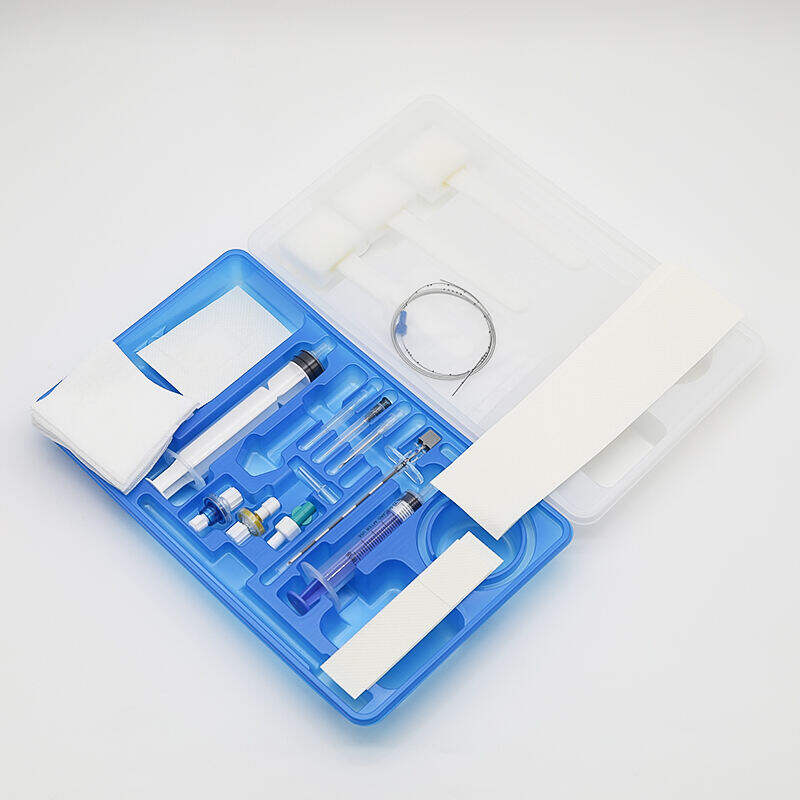
A lumbar puncture kit represents one of the most critical diagnostic tools in modern medicine, enabling healthcare professionals to perform safe and effective spinal taps for cerebrospinal fluid analysis. These comprehensive medical kits contain all essential components required for the lumbar puncture procedure, ensuring sterility, precision, and patient safety throughout the diagnostic process. Understanding the complete contents and functionality of these specialized kits is crucial for medical professionals who regularly perform neurological diagnostics and emergency medicine procedures.
Essential Components of Professional Medical Kits
Primary Surgical Instruments
The foundation of any quality lumbar puncture kit begins with precision-engineered surgical instruments designed specifically for spinal procedures. These kits typically include specialized spinal needles ranging from 18-gauge to 22-gauge, each calibrated for different patient anatomies and clinical requirements. The needles feature sharp beveled tips that minimize tissue trauma while ensuring smooth penetration through the ligamentum flavum and dural membrane. Additionally, these instruments incorporate clear hubs that allow immediate visualization of cerebrospinal fluid flow, enabling practitioners to confirm proper needle placement before specimen collection.
Professional-grade kits also contain various introducer needles and stylets that facilitate accurate needle guidance and prevent tissue coring during insertion. The stylets are precisely matched to each needle gauge, ensuring seamless insertion and removal without compromising the needle's structural integrity. Many advanced kits include atraumatic needles with pencil-point tips that separate tissue fibers rather than cutting them, significantly reducing post-procedure headache incidents and improving patient comfort during recovery.
Sterile Collection Components
Sterile specimen collection represents a critical aspect of lumbar puncture procedures, requiring specialized containers and measurement tools included in comprehensive kits. Standard kits provide multiple sterile collection tubes, typically numbered sequentially to facilitate proper laboratory analysis and differential cell counting. These tubes are manufactured from medical-grade materials that prevent contamination and maintain specimen integrity during transport and storage periods.
Advanced kits incorporate pressure manometers that enable real-time measurement of cerebrospinal fluid pressure, providing valuable diagnostic information about intracranial pressure conditions. These precision instruments feature clear measurement scales and reliable connection systems that maintain sterility while delivering accurate pressure readings. The manometer components are designed for single-use applications, eliminating cross-contamination risks and ensuring consistent measurement accuracy across different procedures.
Preparation and Safety Equipment
Antiseptic and Sterilization Supplies
Every professional lumbar puncture kit includes comprehensive antiseptic supplies designed to establish and maintain a sterile procedural field. These supplies typically feature povidone-iodine or chlorhexidine-based antiseptic solutions that provide broad-spectrum antimicrobial coverage against bacteria, fungi, and viruses. The antiseptic components are pre-packaged in convenient applicator formats that ensure consistent application coverage while minimizing contamination risks during skin preparation phases.
Sterile draping materials form another essential component, providing complete isolation of the puncture site from surrounding non-sterile areas. These drapes are manufactured from fluid-resistant materials that prevent strike-through contamination while maintaining clear visualization of anatomical landmarks. The draping systems often include adhesive edges and strategically placed fenestrations that accommodate different patient positioning requirements while preserving sterile technique throughout the entire procedure.
Local Anesthesia Components
Effective pain management during lumbar puncture procedures requires specialized anesthesia components that are carefully integrated into professional medical kits. These components include various gauge needles specifically designed for local anesthetic infiltration, ranging from fine 25-gauge needles for superficial skin anesthesia to larger 22-gauge needles for deeper tissue infiltration. The anesthesia needles feature sharp beveled tips that minimize tissue trauma while ensuring accurate anesthetic placement in targeted tissue planes.
Many kits also provide pre-filled syringes containing standard local anesthetic solutions such as lidocaine or procaine, eliminating the need for separate drug preparation and reducing procedure setup time. These pre-filled systems incorporate safety features that prevent accidental needle stick injuries while maintaining drug stability and sterility. The anesthetic components are carefully calibrated to provide optimal pain control without interfering with cerebrospinal fluid flow or compromising diagnostic specimen quality.
Advanced Kit Configurations and Specifications
Specialized Needle Technologies
Modern lumbar puncture kit designs incorporate advanced needle technologies that enhance procedural success rates while minimizing patient discomfort and complications. These innovations include pencil-point needle designs that feature non-cutting tips capable of separating dural fibers rather than severing them, significantly reducing cerebrospinal fluid leakage and post-dural puncture headache incidence. The specialized needle geometries are engineered using computer-aided design principles that optimize flow characteristics while maintaining structural strength under clinical use conditions.
Some premium kits feature needles with integrated depth markers that provide real-time feedback about insertion depth, helping practitioners avoid over-penetration and potential complications. These markers are laser-etched onto the needle shaft using permanent marking techniques that remain visible throughout the procedure while maintaining sterility standards. Additionally, certain needle designs incorporate side ports that facilitate continuous cerebrospinal fluid flow even when the needle tip contacts tissue surfaces or anatomical structures.
Quality Control and Manufacturing Standards
Professional lumbar puncture kits undergo rigorous quality control testing to ensure consistent performance and safety across all components. Manufacturing processes comply with strict FDA regulations and international quality standards such as ISO 13485, which govern medical device production and quality management systems. Each kit component is individually tested for sterility, functionality, and dimensional accuracy before final packaging and distribution to healthcare facilities.
Traceability systems enable complete component tracking from raw material sourcing through final product delivery, ensuring accountability and facilitating rapid response in case of quality issues or product recalls. The manufacturing facilities maintain controlled environments with specified temperature, humidity, and particulate levels that prevent contamination during production processes. Regular audits by regulatory agencies and third-party certification bodies verify ongoing compliance with established quality standards and manufacturing best practices.
Clinical Applications and Procedural Considerations
Diagnostic Applications
Lumbar puncture kits serve diverse diagnostic applications across multiple medical specialties, enabling cerebrospinal fluid analysis for neurological, infectious, and oncological conditions. Neurologists utilize these kits to diagnose conditions such as meningitis, encephalitis, subarachnoid hemorrhage, and demyelinating diseases that require direct cerebrospinal fluid examination. The specimen collection capabilities provided by these kits enable comprehensive laboratory analysis including cell counts, protein levels, glucose concentrations, and microbiological cultures that guide treatment decisions.
Emergency medicine practitioners rely on lumbar puncture kits for rapid diagnosis of life-threatening conditions such as bacterial meningitis or subarachnoid hemorrhage when imaging studies are inconclusive or unavailable. The standardized kit configurations ensure consistent procedural approaches across different healthcare settings while maintaining the sterility and precision required for accurate diagnostic results. Pediatric applications require specialized kit variations with appropriately sized needles and collection volumes that accommodate smaller patient anatomies and reduced cerebrospinal fluid volumes.
Therapeutic Applications
Beyond diagnostic applications, lumbar puncture kits facilitate various therapeutic interventions including intrathecal medication administration and cerebrospinal fluid pressure reduction procedures. Oncology applications involve intrathecal chemotherapy delivery for central nervous system malignancies, requiring specialized kits with extended tubing systems and precise volume measurement capabilities. These therapeutic applications demand enhanced sterility protocols and specialized components that prevent contamination while ensuring accurate drug delivery to target tissues.
Interventional pain management procedures utilize modified lumbar puncture kits for epidural steroid injections and spinal cord stimulator placements that require precise needle positioning and contrast agent injection capabilities. These specialized applications often incorporate fluoroscopic guidance systems and contrast-compatible components that enable real-time visualization of needle placement and medication distribution patterns. The kit configurations must accommodate various imaging modalities while maintaining sterility and procedural efficiency throughout complex interventional procedures.
Storage and Handling Requirements
Environmental Storage Conditions
Proper storage and handling of lumbar puncture kits directly impacts component performance and patient safety outcomes during clinical procedures. These medical kits require controlled environmental conditions including temperature ranges between 15-30°C and relative humidity levels below 70% to prevent component degradation and maintain sterility integrity. Storage areas must provide protection from direct sunlight, extreme temperatures, and moisture exposure that could compromise packaging seals or alter material properties of critical components.
Healthcare facilities must implement inventory rotation systems that ensure older stock is utilized before newer shipments, preventing expiration date violations and maintaining optimal component performance. Regular inventory audits should verify storage condition compliance and identify any packages with compromised integrity or approaching expiration dates. The storage systems should provide easy accessibility for emergency procedures while maintaining organized inventory management that facilitates rapid kit selection based on specific procedural requirements.
Handling and Transport Protocols
Professional handling protocols ensure lumbar puncture kit integrity throughout transport and clinical use phases, preventing component damage that could compromise procedural success or patient safety. Healthcare personnel must receive proper training on kit handling procedures including inspection techniques that identify packaging damage, sterility compromises, or component defects before clinical use. Transport containers should provide adequate protection against mechanical shock and environmental exposures that could affect component performance or sterility.
Pre-procedure inspection protocols should verify all components are present and in acceptable condition before beginning patient preparation activities. This includes checking needle sharpness, syringe functionality, collection tube integrity, and antiseptic solution clarity to ensure optimal procedural conditions. Any kits with missing, damaged, or questionable components must be removed from clinical use and replaced with verified intact alternatives to maintain patient safety standards and procedural success rates.
FAQ
How long can lumbar puncture kits be stored before expiration
Most lumbar puncture kits have shelf lives ranging from 3-5 years when stored under proper environmental conditions including controlled temperature and humidity levels. The expiration dates are determined by stability testing of individual components, with sterile packaging materials typically representing the limiting factor for overall kit longevity. Healthcare facilities should implement first-in-first-out inventory rotation systems to ensure optimal component performance and prevent expiration date violations that could compromise patient safety.
What needle sizes are typically included in standard kits
Standard lumbar puncture kits typically include needles ranging from 18-gauge to 25-gauge with lengths varying from 3.5 inches to 6 inches to accommodate different patient anatomies and clinical requirements. Pediatric kits often feature smaller gauge needles (22-25 gauge) with shorter lengths, while adult kits may include larger options (18-20 gauge) for procedures requiring rapid cerebrospinal fluid flow. The needle selection should be based on patient age, body habitus, and specific procedural objectives to ensure optimal outcomes and minimize complications.
Can kit components be used separately for other medical procedures
While individual kit components such as needles, syringes, and antiseptic supplies may be suitable for other medical applications, they should only be used for their intended lumbar puncture applications to ensure optimal performance and regulatory compliance. Using components for unintended purposes may void manufacturer warranties and could potentially compromise patient safety if the components are not specifically designed or tested for alternative applications. Healthcare facilities should maintain separate inventory supplies specifically designated for different procedural requirements.
What training is required for healthcare personnel using these kits
Healthcare personnel must complete comprehensive training programs that include theoretical knowledge of spinal anatomy, procedural techniques, and hands-on practice under qualified supervision before performing independent lumbar puncture procedures. Training requirements vary by institutional policies and professional licensing requirements, but typically include certification in sterile technique, patient positioning, needle insertion methods, and complication management. Ongoing continuing education ensures practitioners maintain current knowledge of best practices and emerging technologies in lumbar puncture kit design and application.