 EN
EN

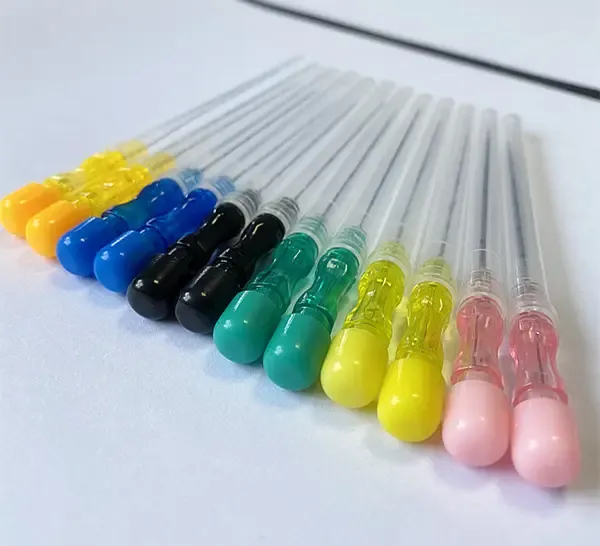
Catgut embedding represents a sophisticated fusion of traditional acupuncture principles with modern therapeutic techniques, offering practitioners an innovative approach to addressing various health conditions. This minimally invasive procedure involves the strategic placement of absorbable suture material at specific acupoints, creating sustained therapeutic stimulation that extends far beyond conventional needle acupuncture sessions. As healthcare professionals increasingly seek evidence-based complementary therapies, catgut embedding has emerged as a compelling treatment modality that bridges ancient wisdom with contemporary medical understanding.
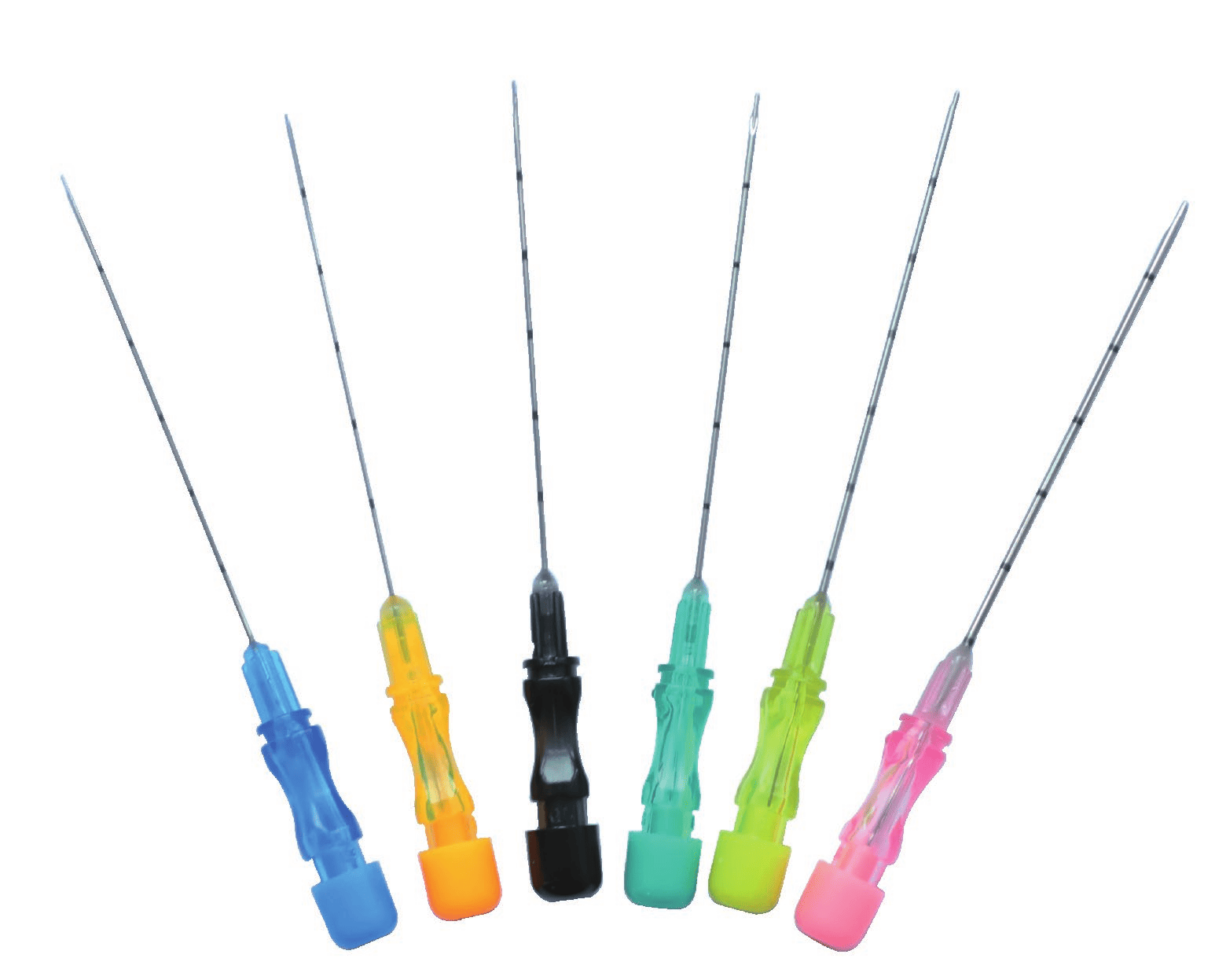
The growing acceptance of integrative medicine has positioned catgut embedding as a valuable therapeutic tool in clinical practice. Unlike traditional acupuncture sessions that require frequent appointments, this technique provides prolonged stimulation through biodegradable threads that gradually dissolve while maintaining continuous acupoint activation. Healthcare providers worldwide are recognizing the potential benefits of this approach for treating chronic conditions, pain management, and wellness optimization.
Understanding the theoretical foundations, practical applications, and clinical considerations of catgut embedding becomes essential for practitioners considering this treatment modality. The technique requires specialized knowledge of anatomical structures, sterile procedures, and patient selection criteria to ensure safe and effective outcomes. This comprehensive examination explores the critical aspects that healthcare professionals must master before incorporating catgut embedding into their practice.
Historical Development and Modern Applications
Traditional Origins and Evolution
The historical roots of catgut embedding trace back to ancient Chinese medicine practices where practitioners discovered that leaving needles in place for extended periods enhanced therapeutic effects. Early physicians observed that prolonged acupoint stimulation produced more sustained benefits than brief needle insertions. This observation led to experimentation with various materials that could remain in the body while providing continuous stimulation.
Traditional practitioners initially used natural fibers and later adopted surgical catgut, which demonstrated excellent biocompatibility and absorption characteristics. The development of sterile manufacturing processes and standardized suture materials revolutionized the safety and reliability of catgut embedding procedures. Modern practitioners benefit from decades of refinement in both technique and materials science.
Contemporary applications have expanded beyond traditional uses to include aesthetic medicine, weight management, and chronic pain conditions. Research institutions worldwide have conducted studies examining the efficacy of catgut embedding for various conditions, contributing to a growing body of evidence supporting its therapeutic potential. The integration of Western anatomical knowledge with traditional acupoint theory has created new possibilities for treatment protocols.
Scientific Foundation and Research Evidence
Current research indicates that catgut embedding may influence local tissue metabolism, inflammatory responses, and neurological pathways associated with pain perception and autonomic function. Studies have documented measurable changes in local blood flow, tissue oxygenation, and biochemical markers following treatment. These physiological responses provide scientific rationale for the observed clinical effects.
Controlled clinical trials have examined catgut embedding efficacy for conditions including chronic low back pain, obesity, facial paralysis, and functional gastrointestinal disorders. Meta-analyses suggest potential benefits for specific conditions, though researchers emphasize the need for larger, well-designed studies to establish definitive therapeutic guidelines. The quality of available evidence continues to improve as research methodologies become more sophisticated.
Neuroimaging studies using functional MRI and PET scans have revealed brain activity patterns associated with catgut embedding treatments. These investigations provide insights into the central nervous system mechanisms underlying therapeutic effects. Understanding these neurological responses helps practitioners optimize treatment protocols and patient selection criteria.
Technical Procedures and Safety Protocols
Equipment Selection and Preparation
Proper equipment selection forms the foundation of safe and effective catgut embedding procedures. Practitioners must choose appropriate needle gauges, thread diameters, and absorbable materials based on treatment locations and patient characteristics. The selection of high-quality, sterile instruments ensures optimal outcomes while minimizing infection risks and procedural complications.
Catgut embedding threads vary in absorption rates, tensile strength, and biocompatibility profiles. Practitioners should understand the properties of different materials to select the most suitable options for specific treatment goals. Some threads dissolve completely within days, while others maintain structural integrity for several weeks, providing sustained stimulation throughout the absorption process.
Preparation procedures must adhere to strict sterile technique protocols similar to minor surgical procedures. This includes proper hand hygiene, sterile glove use, skin antisepsis, and sterile field maintenance. The use of catgut embedding instruments designed specifically for acupoint applications ensures consistent delivery and optimal thread placement depth.
Anatomical Considerations and Point Selection
Successful catgut embedding requires thorough understanding of anatomical structures beneath target acupoints. Practitioners must identify safe insertion depths, avoid vascular structures, and consider tissue density variations across different body regions. Knowledge of facial anatomy becomes particularly critical when treating cosmetic or neurological conditions affecting the head and neck areas.
Point selection strategies should integrate traditional acupuncture principles with modern anatomical understanding. Experienced practitioners consider factors including tissue thickness, local blood supply, nerve distribution, and muscle fiber orientation when determining optimal thread placement. The selection of appropriate acupoint combinations enhances therapeutic synergy while minimizing adverse effects.
Special attention must be given to contraindicated locations and high-risk anatomical zones. Areas with major blood vessels, nerve trunks, or vital organs require careful evaluation before treatment. Practitioners should maintain detailed anatomical references and consider imaging studies when treating complex cases or anatomically variable regions.
Clinical Applications and Treatment Protocols
Pain Management and Musculoskeletal Conditions
Catgut embedding demonstrates particular promise for managing chronic pain conditions that respond poorly to conventional treatments. The sustained acupoint stimulation may help modulate pain perception pathways, reduce inflammatory mediators, and promote tissue healing processes. Clinical reports suggest benefits for conditions including fibromyalgia, arthritis, and myofascial pain syndromes.
Treatment protocols for musculoskeletal conditions typically involve selecting acupoints along affected meridians and local pain points. The number of threads placed per session varies based on condition severity, patient tolerance, and treatment goals. Some practitioners prefer conservative approaches with fewer threads initially, while others employ comprehensive protocols addressing multiple pathways simultaneously.
Follow-up scheduling depends on thread absorption rates and individual patient responses. Most protocols involve treatment intervals of one to four weeks, allowing complete thread absorption between sessions. Practitioners monitor patient progress through standardized pain scales, functional assessments, and objective measurements when possible.
Metabolic Disorders and Weight Management
The application of catgut embedding for metabolic conditions and weight management has gained significant attention in recent years. Research suggests potential effects on appetite regulation, metabolic rate, and hormonal balance through specific acupoint combinations. These applications require comprehensive understanding of endocrine physiology and metabolic pathways.
Weight management protocols often focus on auricular points combined with body acupoints associated with digestion, metabolism, and stress response. The sustained stimulation may help regulate appetite hormones, improve insulin sensitivity, and enhance metabolic efficiency. Patients typically receive treatments every two to three weeks as part of comprehensive weight management programs.
Success in metabolic applications requires integration with appropriate dietary counseling, exercise programs, and lifestyle modifications. Catgut embedding serves as an adjunctive therapy rather than standalone treatment. Practitioners should establish realistic expectations and monitor patients for both desired effects and potential complications throughout treatment courses.
Patient Assessment and Safety Considerations
Pre-treatment Evaluation and Screening
Comprehensive patient assessment before catgut embedding treatment ensures appropriate candidate selection and identifies potential risk factors. Medical history review should include allergies, bleeding disorders, immunocompromised states, and current medications that might affect healing or increase infection risks. Practitioners must evaluate both local and systemic factors that could influence treatment outcomes.
Physical examination focuses on treatment area assessment, skin condition evaluation, and identification of anatomical landmarks. Practitioners should document baseline measurements, photograph treatment areas when appropriate, and establish objective criteria for monitoring treatment progress. This documentation proves valuable for both clinical management and quality assurance purposes.
Patient education forms a critical component of pre-treatment preparation. Individuals should understand the procedure, expected sensations, post-treatment care requirements, and potential side effects. Clear communication about treatment goals, realistic expectations, and follow-up requirements helps ensure optimal patient compliance and satisfaction with outcomes.
Risk Management and Adverse Event Prevention
Risk management strategies must address both immediate procedural complications and delayed adverse reactions. Common immediate risks include bleeding, pain, and vasovagal responses during thread insertion. Practitioners should maintain emergency supplies and protocols for managing these situations should they occur during treatment sessions.
Delayed complications may include infection, thread migration, allergic reactions, or prolonged inflammatory responses. Establishing clear post-treatment monitoring protocols helps identify these issues early when intervention remains most effective. Patients should receive detailed instructions about warning signs requiring immediate medical attention.
Documentation requirements include detailed treatment records, consent forms, and adverse event reporting when appropriate. Professional liability considerations may vary by jurisdiction, making consultation with legal and insurance professionals advisable before implementing catgut embedding services. Maintaining current training credentials and following established clinical guidelines helps minimize legal exposure while ensuring optimal patient care.
Professional Training and Competency Development
Educational Requirements and Certification Pathways
Professional competency in catgut embedding requires specialized training beyond basic acupuncture education. Training programs should cover anatomical considerations, sterile technique protocols, patient selection criteria, and emergency management procedures. Many programs combine theoretical instruction with hands-on practical experience under qualified supervision.
Certification pathways vary significantly across different regions and professional organizations. Some jurisdictions integrate catgut embedding training into advanced acupuncture programs, while others offer separate certification courses. Practitioners should verify local regulatory requirements and maintain appropriate professional liability coverage for these expanded scope services.
Continuing education requirements help ensure practitioners maintain current knowledge as techniques and safety protocols evolve. Professional organizations often provide advanced workshops, research updates, and peer networking opportunities. Staying current with emerging research and best practices enhances both patient safety and treatment effectiveness.
Quality Assurance and Clinical Protocols
Implementing quality assurance measures helps maintain consistent treatment standards and optimal patient outcomes. This includes establishing standardized protocols for patient assessment, treatment delivery, and follow-up care. Regular protocol review and update procedures ensure practices remain aligned with current evidence and professional standards.
Clinical outcome tracking provides valuable data for both individual practice improvement and broader research contributions. Practitioners should consider participating in registry studies or collaborative research projects when opportunities arise. This participation helps advance the evidence base while potentially improving individual clinical skills.
Peer consultation and professional networking offer opportunities for case discussion, technique refinement, and problem-solving collaboration. Many practitioners benefit from establishing relationships with colleagues experienced in catgut embedding applications. These professional relationships provide valuable support for challenging cases and ongoing professional development.
FAQ
How long do catgut embedding threads typically remain in the body
Catgut embedding threads generally absorb completely within 15 to 30 days, depending on the specific material used and individual patient factors. Thinner threads may dissolve more quickly, while thicker materials provide longer stimulation periods. The absorption process is gradual, maintaining therapeutic effects throughout the dissolution period. Practitioners can select thread types based on desired stimulation duration and treatment goals.
What conditions respond best to catgut embedding therapy
Research suggests catgut embedding may be particularly effective for chronic pain conditions, certain digestive disorders, weight management support, and some neurological conditions. However, individual responses vary significantly, and the technique works best as part of comprehensive treatment approaches. Practitioners should carefully evaluate each case and set realistic expectations based on available evidence and clinical experience.
Are there any absolute contraindications for catgut embedding
Absolute contraindications include active infections at treatment sites, severe bleeding disorders, and known allergies to suture materials. Pregnancy, immunocompromised states, and certain medications may represent relative contraindications requiring careful risk-benefit assessment. Practitioners should conduct thorough medical histories and consider consultation with primary care providers when questions arise about patient suitability.
How does catgut embedding differ from traditional acupuncture treatment
The primary difference lies in stimulation duration and treatment frequency. Traditional acupuncture provides brief, intense stimulation during needle insertion and manipulation, while catgut embedding offers sustained, gentle stimulation over weeks as threads absorb. This allows for less frequent treatment sessions while potentially maintaining therapeutic benefits between visits. Both approaches can be used complementarily depending on patient needs and treatment goals.