 EN
EN

Selecting the appropriate lumbar puncture kit is a critical decision that directly impacts patient safety, procedure efficiency, and diagnostic accuracy. Healthcare professionals must carefully evaluate multiple factors when choosing these specialized medical devices, as the wrong selection can lead to complications, failed procedures, or suboptimal patient outcomes. The lumbar puncture procedure, also known as spinal tap, requires precision instruments designed to safely access the cerebrospinal fluid while minimizing patient discomfort and procedural risks.
Modern medical facilities require standardized equipment that meets stringent quality requirements while providing healthcare providers with reliable tools for neurological diagnostics. Understanding the components, specifications, and quality standards of different kit options ensures optimal procedural outcomes and enhanced patient care delivery.
Essential Components and Configuration Options
Standard Kit Components
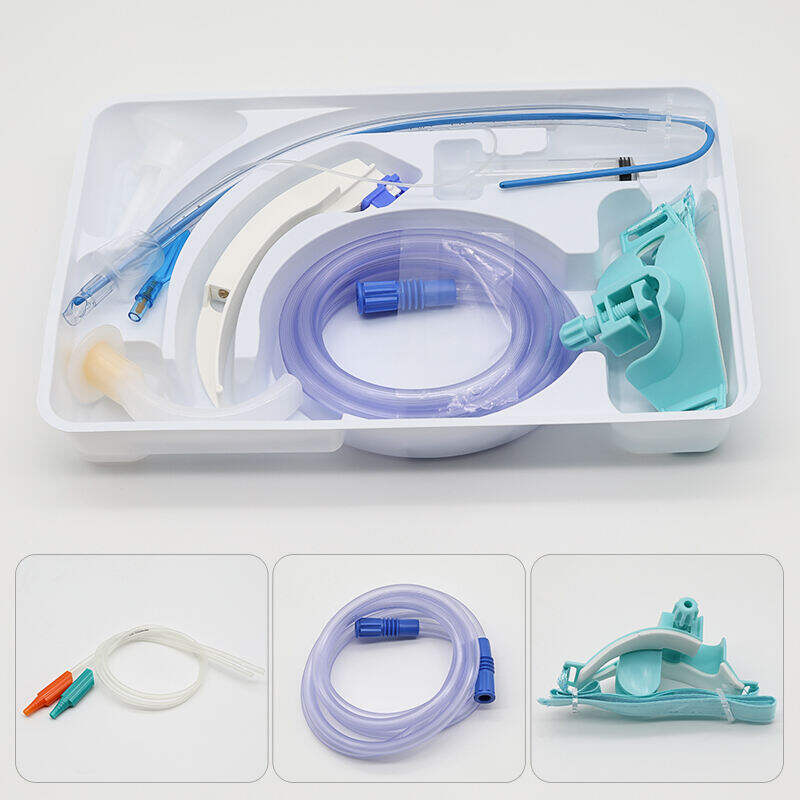
Every comprehensive lumbar puncture kit contains several fundamental components that work together to facilitate safe cerebrospinal fluid collection. The spinal needle represents the most critical element, typically featuring a beveled tip design with appropriate gauge sizing to minimize tissue trauma during insertion. High-quality kits include multiple needle options, allowing healthcare providers to select the most suitable size based on patient anatomy and clinical requirements.
Sterile draping materials form another essential component, providing the necessary barrier protection to maintain aseptic conditions throughout the procedure. These drapes must offer adequate coverage while allowing precise access to the puncture site. Additionally, collection tubes with proper labeling capabilities ensure accurate specimen identification and prevent cross-contamination during sample processing.
Anesthetic solutions and application materials complete the standard configuration, enabling effective local numbing before needle insertion. The inclusion of antiseptic preparation materials ensures thorough skin cleansing, reducing infection risks and maintaining procedural sterility standards.
Advanced Kit Features
Premium lumbar puncture kit options incorporate advanced features designed to enhance procedural safety and physician confidence. Pressure measurement capabilities allow real-time monitoring of cerebrospinal fluid dynamics, providing valuable diagnostic information beyond simple fluid collection. These systems typically include manometry tubes and measurement scales for accurate pressure readings.
Some advanced configurations feature specialized needle designs with improved flow characteristics and reduced insertion force requirements. These innovations minimize patient discomfort while maintaining optimal fluid collection rates. Enhanced visualization aids, such as depth markers and positioning guides, help healthcare providers achieve precise needle placement with greater consistency.
Integrated safety mechanisms represent another important advancement, including needle guards and retraction systems that protect healthcare workers from accidental needlestick injuries. These safety features comply with current occupational health regulations while maintaining procedural efficiency.
Quality Standards and Regulatory Compliance
FDA Approval and Certification
Medical device regulations require all lumbar puncture kit components to meet specific FDA approval standards before market release. These regulations ensure consistent manufacturing quality, biocompatibility testing, and performance validation across different product lines. Healthcare facilities should verify that selected kits carry appropriate FDA clearance documentation and comply with current medical device regulations.
ISO certification provides additional quality assurance, demonstrating manufacturer adherence to international standards for medical device production and quality management. These certifications require regular audits and continuous improvement processes, ensuring sustained product quality throughout the manufacturing lifecycle.
Sterility validation represents a crucial regulatory requirement, with each kit undergoing rigorous testing to confirm sterile packaging and component integrity. Documentation should include sterility assurance levels and expiration dating based on validated shelf-life studies.
Material Safety and Biocompatibility
Component materials must undergo comprehensive biocompatibility testing to ensure patient safety during direct tissue contact. Needle materials typically utilize medical-grade stainless steel with specific alloy compositions that provide optimal strength and corrosion resistance. These materials must demonstrate minimal tissue reactivity and absence of toxic leaching during normal use conditions.
Plastic components require validation for cytotoxicity, sensitization potential, and systemic toxicity according to ISO 10993 standards. These tests ensure that all patient-contact materials maintain safety profiles suitable for neurological procedures involving sensitive tissue exposure.
Packaging materials must also meet biocompatibility requirements while providing effective barrier protection against contamination. The selection of appropriate packaging systems ensures sterility maintenance throughout product storage and distribution phases.
Needle Selection and Sizing Considerations
Gauge and Length Specifications
Needle gauge selection significantly influences procedural success rates and patient comfort levels during lumbar puncture procedures. Smaller gauge needles, typically ranging from 20 to 25 gauge, reduce tissue trauma and minimize post-procedural headache incidence. However, smaller gauges may require longer collection times due to reduced flow rates through narrower needle lumens.
Length specifications must accommodate patient anatomy variations, with standard options ranging from 3.5 to 6 inches. Pediatric applications typically require shorter needles, while adult procedures may necessitate longer options depending on patient body habitus and tissue thickness at the puncture site.
Bevel design affects insertion characteristics and fluid flow patterns, with pencil-point needles offering reduced tissue cutting compared to conventional beveled designs. This configuration minimizes dural fiber disruption and potentially reduces post-lumbar puncture headache rates.
Needle Tip Technology
Advanced needle tip designs incorporate features that enhance tactile feedback during tissue penetration, allowing healthcare providers to better identify anatomical landmarks and ligamentum flavum passage. These design improvements facilitate more precise needle positioning and reduce the likelihood of multiple insertion attempts.
Some needle configurations feature side ports or modified tip geometries that optimize cerebrospinal fluid flow while maintaining structural integrity during insertion. These modifications can improve collection efficiency and reduce procedural duration, particularly beneficial for lengthy diagnostic procedures requiring multiple sample collections.
Echogenic needle options incorporate surface treatments that enhance ultrasound visualization during guided procedures. These specialized needles improve insertion accuracy when ultrasound guidance is employed, particularly valuable for challenging anatomical cases or procedures performed by less experienced practitioners.
Sterility and Packaging Requirements
Sterilization Methods
Effective sterilization processes ensure complete elimination of viable microorganisms from all kit components before clinical use. Ethylene oxide sterilization remains the most common method for heat-sensitive materials, providing thorough penetration while maintaining material integrity. This process requires careful validation to ensure adequate gas exposure and residue elimination before package sealing.
Gamma radiation sterilization offers an alternative approach that provides excellent material compatibility and deep penetration capabilities. This method enables sterilization of fully packaged products without compromising packaging integrity or requiring additional aeration cycles.
Steam sterilization may be appropriate for certain metallic components but requires careful material compatibility assessment to prevent corrosion or structural compromise. The selection of appropriate sterilization methods depends on material properties and packaging configurations used in specific kit designs.
Package Integrity and Shelf Life
Packaging systems must provide effective barrier protection against microbial contamination while maintaining component sterility throughout the intended shelf life. Medical-grade packaging materials undergo rigorous testing to confirm barrier effectiveness and seal integrity under various environmental conditions.
Shelf life determination requires accelerated aging studies and real-time stability testing to validate packaging performance over extended storage periods. These studies ensure that sterility maintenance and component functionality remain within acceptable limits throughout the labeled expiration period.
Visual inspection indicators help healthcare providers identify potential package compromises before use, including seal integrity assessment and sterility indicator evaluation. Clear labeling systems provide essential information regarding sterility status, expiration dates, and storage requirements.
Cost-Effectiveness and Value Analysis
Initial Investment Considerations
Healthcare facilities must balance initial acquisition costs against long-term value when selecting lumbar puncture kit suppliers and configurations. While premium kits may require higher upfront investment, their enhanced features and reliability often provide superior cost-effectiveness through reduced complication rates and improved procedural efficiency.
Volume purchasing agreements can significantly reduce per-unit costs while ensuring consistent product availability and standardized training requirements. These arrangements often include favorable pricing structures and priority allocation during supply shortages or increased demand periods.
Total cost analysis should incorporate factors beyond initial purchase price, including training requirements, storage costs, and potential expense associated with procedural complications or kit failures. This comprehensive evaluation approach ensures optimal resource allocation and budget planning.
Long-term Value Assessment
Quality lumbar puncture kit selection contributes to reduced procedural complications, shorter procedure times, and improved patient satisfaction scores. These benefits translate into measurable cost savings through decreased length of stay, reduced readmission rates, and enhanced operational efficiency.
Standardization across multiple departments or facilities creates economies of scale while simplifying inventory management and staff training requirements. Consistent kit configurations reduce learning curves and minimize procedural variations that could impact patient outcomes.
Vendor support services, including technical assistance and educational resources, add substantial value beyond the physical product components. These services enhance staff competency and confidence while providing ongoing support for optimal kit utilization.
FAQ
What factors determine the appropriate needle gauge for different patients?
Needle gauge selection depends primarily on patient age, body habitus, and clinical indication for the procedure. Pediatric patients typically require smaller gauge needles (22-25 gauge) to minimize tissue trauma, while adult procedures may accommodate larger gauges (20-22 gauge) for faster fluid collection. Patients with higher body mass index may benefit from longer needles with appropriate gauge sizing to ensure adequate penetration depth while maintaining structural integrity during insertion.
How do sterility requirements differ between single-use and reusable components?
Single-use lumbar puncture kit components undergo terminal sterilization during manufacturing and require no additional processing before clinical use. These items must maintain sterility throughout their shelf life and should never be reprocessed or reused. Reusable components, while less common in modern practice, require validated cleaning and sterilization protocols between uses, including appropriate cleaning agents, sterilization parameters, and biological indicator testing to ensure complete microbial elimination.
What quality indicators should healthcare facilities monitor when evaluating kit performance?
Key performance indicators include procedural success rates on first attempt, incidence of post-procedural complications such as headaches or infections, needle breakage or malfunction rates, and healthcare provider satisfaction with kit usability. Facilities should also monitor sterility failures, package integrity issues, and any adverse events associated with kit components. Regular analysis of these metrics helps identify trends and opportunities for improvement in kit selection or procedural protocols.
How should healthcare facilities handle kit storage and inventory management?
Proper storage requires controlled temperature and humidity conditions as specified by manufacturer guidelines, typically involving room temperature storage away from direct sunlight and extreme temperature fluctuations. Inventory rotation should follow first-in-first-out principles to prevent expiration losses, with regular monitoring of expiration dates and automated reorder systems to maintain adequate stock levels. Storage areas should be clean, dry, and secure, with appropriate access controls to prevent unauthorized use or contamination.
Table of Contents
- Essential Components and Configuration Options
- Quality Standards and Regulatory Compliance
- Needle Selection and Sizing Considerations
- Sterility and Packaging Requirements
- Cost-Effectiveness and Value Analysis
-
FAQ
- What factors determine the appropriate needle gauge for different patients?
- How do sterility requirements differ between single-use and reusable components?
- What quality indicators should healthcare facilities monitor when evaluating kit performance?
- How should healthcare facilities handle kit storage and inventory management?