 EN
EN

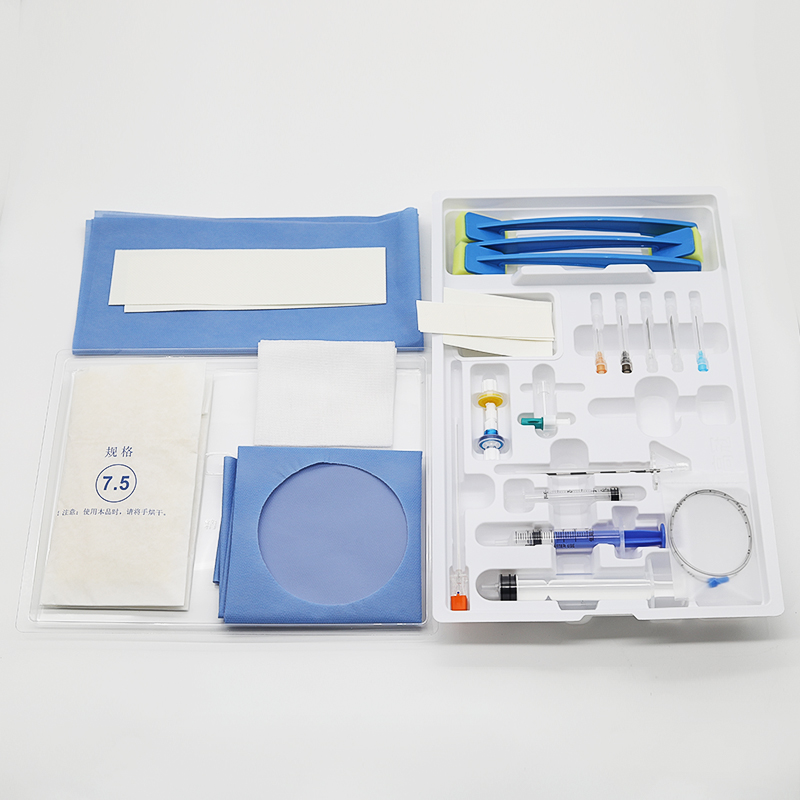
Post-dural puncture headache (PDPH) remains one of the most concerning complications in neuraxial anesthesia and lumbar puncture procedures, affecting patient comfort and recovery outcomes. The development of pencil-point spinal needles has revolutionized spinal anesthesia by significantly reducing the incidence of this debilitating complication through innovative design features that fundamentally change how the dura mater is accessed and penetrated.
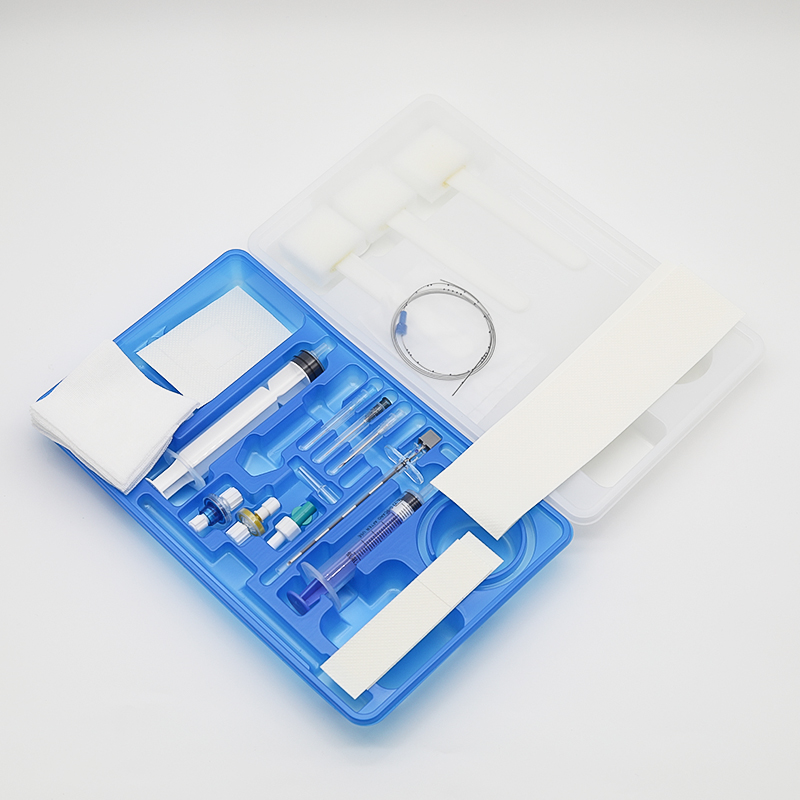
The superior design characteristics of pencil-point spinal needles directly address the mechanical factors that contribute to cerebrospinal fluid leakage and subsequent headache development. Unlike conventional cutting-tip needles that create clean-cut perforations in the dural membrane, pencil-point spinal needles utilize a blunt, tapered tip design with a lateral opening that separates rather than cuts the dural fibers, allowing for more effective tissue reapproximation after needle withdrawal.
Anatomical Impact and Tissue Interaction Mechanisms
Dural Fiber Preservation During Penetration
The fundamental advantage of pencil-point spinal needles lies in their ability to preserve dural fiber integrity during penetration. The blunt, rounded tip design spreads the collagen fibers of the dura mater apart rather than severing them completely. This fiber-separating mechanism maintains the structural continuity of the dural membrane, which is crucial for preventing cerebrospinal fluid leakage that leads to post-dural puncture headache development.
Clinical studies demonstrate that pencil-point spinal needles create smaller effective hole sizes in the dura mater compared to cutting-tip needles of equivalent gauge. The preserved fiber architecture allows the dural opening to contract more effectively after needle removal, reducing the diameter of the residual defect. This enhanced tissue response significantly minimizes the pathway for cerebrospinal fluid to escape into the epidural space, where it can cause the intracranial hypotension characteristic of post-dural puncture headache.
Tissue Trauma Minimization and Healing Response
The design characteristics of pencil-point spinal needles substantially reduce mechanical trauma to surrounding tissues during insertion and withdrawal. The smooth, tapered configuration requires less insertion force compared to sharp-edged cutting needles, resulting in decreased tissue disruption and inflammatory response. This reduced trauma promotes faster healing and more complete closure of the dural puncture site.
The lateral opening design of pencil-point spinal needles provides additional advantages for tissue preservation. By positioning the cerebrospinal fluid access port on the side of the needle rather than at the tip, the design eliminates the need for the sharp cutting edge that characterizes traditional needles. This modification reduces the risk of accidental vessel puncture and minimizes bleeding at the puncture site, contributing to improved healing conditions.
Cerebrospinal Fluid Dynamics and Leakage Prevention
Hydrostatic Pressure Management
Pencil-point spinal needles demonstrate superior performance in managing cerebrospinal fluid hydrostatic pressure dynamics during and after needle insertion. The blunt tip design creates a more controlled entry into the subarachnoid space, allowing practitioners to detect the characteristic loss of resistance more gradually. This controlled entry reduces the risk of overshooting into the anterior subarachnoid space and minimizes the potential for creating larger than necessary dural defects.
The lateral opening configuration of pencil-point spinal needles also influences cerebrospinal fluid flow patterns during the procedure. The side-port design allows for consistent cerebrospinal fluid return while maintaining needle stability, reducing the need for needle manipulation that could enlarge the dural opening. This stability factor is particularly important in maintaining the integrity of the puncture site throughout the procedure duration.
Post-Procedure Closure Dynamics
The enhanced closure characteristics of dural punctures made with pencil-point spinal needles represent a critical advantage in preventing post-dural puncture headache. The fiber-separating mechanism allows the elastic properties of the dura mater to facilitate natural reapproximation of the tissue edges after needle withdrawal. This natural closure process is significantly more effective than the healing required for clean-cut incisions created by cutting-tip needles.
Research indicates that pencil-point spinal needles create puncture sites that demonstrate improved sealing characteristics under physiological pressure conditions. The preserved fiber matrix provides a scaffold for rapid tissue repair, while the smaller effective hole size reduces the hydrostatic pressure gradient that drives cerebrospinal fluid leakage. These combined factors result in faster closure times and more reliable sealing of the puncture site.
Clinical Performance and Patient Outcome Benefits
Incidence Reduction Across Patient Populations
Clinical evidence consistently demonstrates that pencil-point spinal needles reduce post-dural puncture headache incidence across diverse patient populations and procedural contexts. Studies report headache incidence reductions of up to 80% when pencil-point spinal needles are used instead of cutting-tip alternatives of comparable gauge sizes. This dramatic reduction in complication rates translates directly into improved patient satisfaction and reduced healthcare resource utilization.
The benefits of pencil-point spinal needles are particularly pronounced in high-risk patient groups, including young adults, women of childbearing age, and patients with lower body mass index. These populations traditionally experience higher rates of post-dural puncture headache with conventional needles, making the protective effects of pencil-point design especially valuable in obstetric anesthesia and ambulatory surgical procedures where rapid recovery is essential.
Procedure Efficiency and Technical Considerations
The design advantages of pencil-point spinal needles extend beyond complication reduction to include improvements in procedural efficiency and technical success rates. The enhanced tactile feedback provided by the blunt tip design allows practitioners to more accurately identify anatomical landmarks and tissue planes during insertion. This improved feedback reduces the likelihood of multiple insertion attempts, which can increase tissue trauma and headache risk.
Pencil-point spinal needles also demonstrate superior performance characteristics in challenging anatomical scenarios, such as calcified ligaments or patients with degenerative spinal changes. The ability to navigate through tissues while preserving fiber integrity makes these needles particularly valuable in elderly patients or those with previous spinal interventions where tissue quality may be compromised.
Design Engineering and Material Science Innovations
Tip Geometry Optimization
The engineering principles underlying pencil-point spinal needles reflect sophisticated understanding of material interaction with biological tissues. The optimal tip geometry requires precise control of taper angles, tip radius, and surface finish to achieve the ideal balance between penetration efficiency and tissue preservation. Modern manufacturing techniques enable the production of tips with consistent geometric parameters that ensure predictable clinical performance.
Advanced pencil-point spinal needles incorporate refined tip designs that optimize the transition from the needle shaft to the blunt point. This transition zone is critical for maintaining structural integrity while providing smooth tissue penetration characteristics. The engineering of this region influences both the force required for insertion and the quality of tactile feedback transmitted to the practitioner during the procedure.
Surface Treatment and Biocompatibility Enhancements
Modern pencil-point spinal needles benefit from advanced surface treatments that enhance biocompatibility and reduce friction during tissue penetration. These surface modifications include specialized coatings that minimize protein adhesion and reduce the inflammatory response at the puncture site. The reduced surface roughness achieved through precision manufacturing processes contributes to smoother insertion and withdrawal characteristics.
The material science innovations in pencil-point spinal needles also encompass improvements in steel alloy composition and heat treatment processes that optimize mechanical properties. These advances ensure that the needles maintain their geometric precision throughout the sterilization and storage process while providing consistent performance characteristics across different environmental conditions and storage durations.
FAQ
How do pencil-point spinal needles differ from cutting-tip needles in their interaction with dural tissue?
Pencil-point spinal needles feature a blunt, rounded tip that separates dural fibers rather than cutting them, while cutting-tip needles create clean incisions through the tissue. This fiber-separating mechanism preserves the structural integrity of the dura mater and allows for better tissue reapproximation after needle withdrawal, significantly reducing cerebrospinal fluid leakage and post-dural puncture headache risk.
What is the optimal needle gauge for pencil-point spinal needles to minimize headache risk?
Smaller gauge pencil-point spinal needles generally provide lower headache incidence rates, with 25-gauge and 27-gauge needles demonstrating excellent clinical outcomes. However, the choice of gauge must balance headache prevention with procedural considerations such as cerebrospinal fluid flow rate and injection pressure requirements. Most practitioners find that 25-gauge pencil-point needles provide an optimal combination of low headache risk and practical usability.
Can pencil-point spinal needles be used for all types of spinal procedures?
Pencil-point spinal needles are suitable for most spinal anesthesia and diagnostic lumbar puncture procedures, including obstetric anesthesia, ambulatory surgery, and emergency interventions. However, certain specialized procedures requiring rapid cerebrospinal fluid drainage or injection of viscous medications may benefit from larger gauge cutting-tip needles. The decision should consider patient risk factors, procedural requirements, and institutional protocols.
How long does it typically take for dural punctures made with pencil-point needles to seal?
Dural punctures created with pencil-point spinal needles typically begin sealing within minutes of needle withdrawal due to the preserved fiber architecture and natural tissue elasticity. Complete closure usually occurs within 24-48 hours under normal physiological conditions. This rapid sealing process contrasts with cutting-tip needle punctures, which may require several days to weeks for complete healing and carry a higher risk of persistent cerebrospinal fluid leakage.
Table of Contents
- Anatomical Impact and Tissue Interaction Mechanisms
- Cerebrospinal Fluid Dynamics and Leakage Prevention
- Clinical Performance and Patient Outcome Benefits
- Design Engineering and Material Science Innovations
-
FAQ
- How do pencil-point spinal needles differ from cutting-tip needles in their interaction with dural tissue?
- What is the optimal needle gauge for pencil-point spinal needles to minimize headache risk?
- Can pencil-point spinal needles be used for all types of spinal procedures?
- How long does it typically take for dural punctures made with pencil-point needles to seal?