 EN
EN

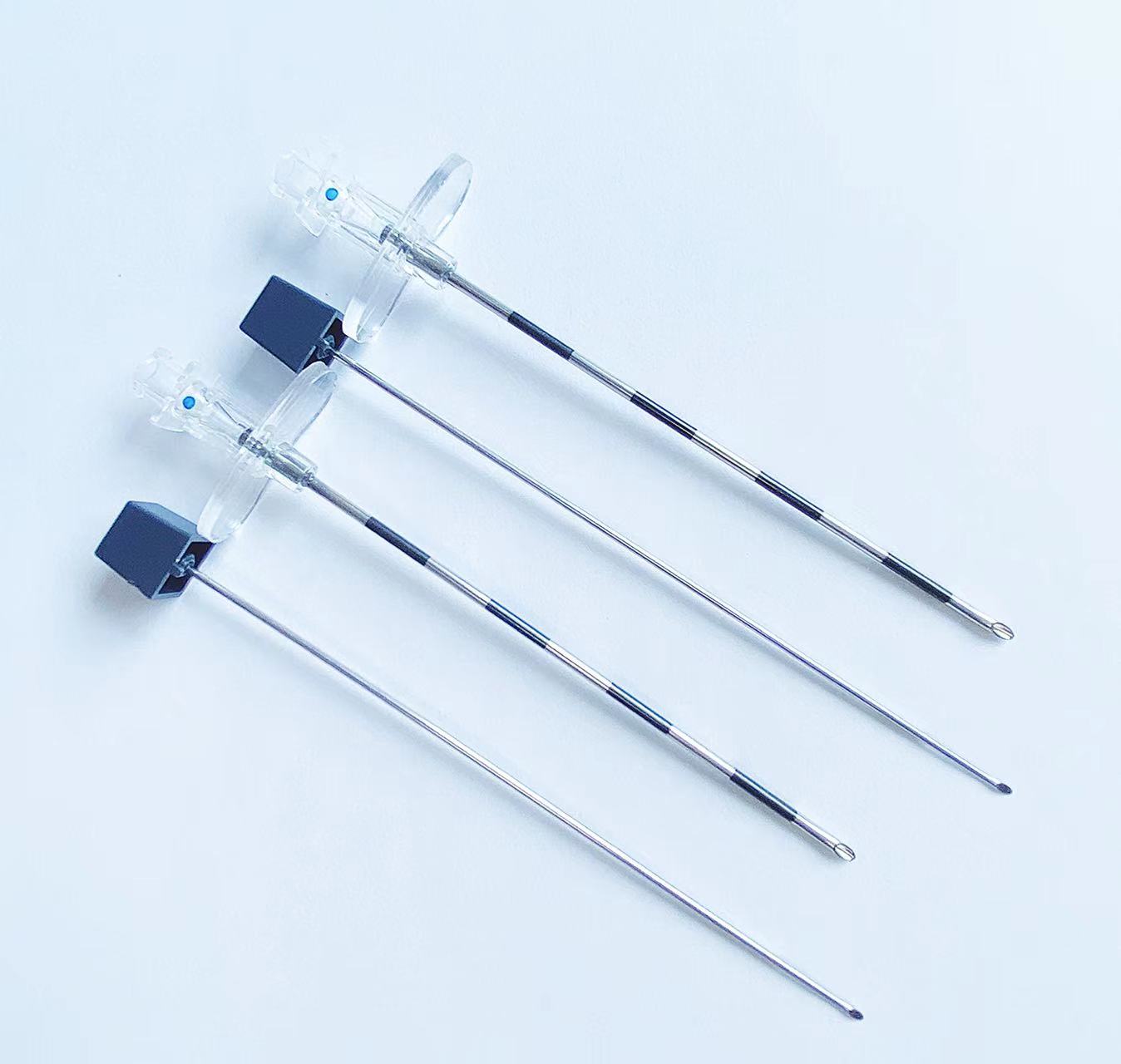
Selecting the appropriate epidural needle length represents one of the most critical decisions in anesthesiology practice, particularly when treating obese or pediatric patients. The anatomical variations between these patient populations require careful consideration of needle specifications, insertion techniques, and safety protocols. Understanding the relationship between patient anatomy and needle selection directly impacts procedural success rates and patient safety outcomes. Modern medical practitioners must navigate complex decision-making processes that account for body mass index, age-specific anatomical features, and individual patient characteristics when choosing the optimal epidural needle configuration.

Understanding Anatomical Considerations for Epidural Needle Selection
Obesity-Related Anatomical Challenges
Obese patients present unique anatomical challenges that significantly influence epidural needle selection criteria. The increased subcutaneous tissue depth in obese individuals requires longer needle lengths to successfully reach the epidural space. Studies indicate that patients with body mass indexes exceeding 30 kg/m² typically require needles ranging from 100mm to 150mm in length, compared to standard 90mm needles used in average-weight patients. The adipose tissue distribution patterns vary considerably among obese patients, making standardized approaches insufficient for optimal outcomes.
Anatomical landmarks become increasingly difficult to palpate in obese patients, necessitating alternative identification techniques and specialized needle configurations. The epidural needle must penetrate through multiple tissue layers including skin, subcutaneous fat, supraspinous ligament, interspinous ligament, and ligamentum flavum before reaching the epidural space. Each additional millimeter of tissue depth increases the complexity of needle placement and requires precise length calculations based on individual patient assessments.
Pediatric Anatomical Variations
Pediatric patients require fundamentally different epidural needle selection approaches due to their unique anatomical proportions and developmental characteristics. Children typically require shorter needle lengths, with most pediatric procedures utilizing needles between 25mm and 50mm depending on the child's age, weight, and specific anatomical measurements. The epidural space in pediatric patients is located much closer to the skin surface, making standard adult needle lengths inappropriate and potentially dangerous for younger patients.
Age-specific considerations include the ongoing development of spinal structures, varying tissue densities, and different ligamentous characteristics compared to adult anatomy. The epidural needle selection process for pediatric patients must account for rapid anatomical changes that occur during growth periods, requiring practitioners to reassess needle length requirements frequently based on current patient measurements rather than historical data.
Technical Specifications and Measurement Protocols
Precise Measurement Techniques
Accurate measurement protocols form the foundation of appropriate epidural needle length selection for both obese and pediatric populations. Ultrasound-guided measurements have emerged as the gold standard for determining skin-to-epidural space distances, providing real-time anatomical visualization that significantly improves needle length selection accuracy. These measurements typically involve identifying the ligamentum flavum and calculating the precise distance from skin surface to the epidural space at the intended insertion point.
Manual measurement techniques, while less precise than ultrasound guidance, remain valuable in clinical settings where advanced imaging is unavailable. These methods involve careful palpation of anatomical landmarks combined with standardized calculation formulas based on patient weight, height, and body mass index. The epidural needle length should be selected with a safety margin that prevents overshooting while ensuring adequate penetration depth for successful epidural space access.
Safety Margin Calculations
Safety margin calculations represent critical components of epidural needle selection that prevent complications while ensuring procedural success. For obese patients, practitioners typically add 10-20mm to the measured skin-to-epidural distance to account for potential measurement variations and tissue compression during needle insertion. This safety margin prevents the needle from advancing too far beyond the epidural space while providing sufficient length for controlled insertion techniques.
Pediatric safety margins require different calculation approaches due to the smaller anatomical spaces and reduced tissue depths involved. Safety margins for pediatric epidural needle selection typically range from 2-5mm beyond the measured distance, reflecting the precision required when working with smaller anatomical spaces. These calculations must account for the increased risk of dural puncture in pediatric patients while ensuring adequate needle length for successful epidural space identification.
Clinical Application and Best Practices
Pre-Procedure Assessment Protocols
Comprehensive pre-procedure assessments establish the foundation for optimal epidural needle selection in challenging patient populations. These assessments include detailed physical examinations focusing on spinal anatomy, palpation of anatomical landmarks, and measurement of relevant distances using both manual and technological approaches. Documentation of previous anesthetic experiences, surgical history, and any anatomical variations helps inform needle selection decisions and procedural planning.
Risk stratification protocols identify patients who may require specialized epidural needle configurations or alternative approaches. Factors including extreme obesity, previous spinal surgeries, congenital anatomical variations, or developmental disorders influence needle selection criteria and may necessitate modified insertion techniques. The epidural needle choice must align with individual patient risk profiles and anatomical characteristics to optimize safety and efficacy outcomes.
Insertion Technique Modifications
Modified insertion techniques accommodate the unique requirements of different epidural needle lengths and patient populations. Obese patients often benefit from steeper insertion angles and controlled advancement techniques that account for the increased tissue depths and altered anatomical landmarks. The epidural needle advancement should proceed incrementally with frequent resistance assessments to identify tissue layer transitions and prevent overshooting the epidural space.
Pediatric insertion techniques require enhanced precision and gentler advancement pressures due to the smaller anatomical spaces and increased sensitivity to needle placement variations. The epidural needle insertion process for pediatric patients typically involves slower advancement rates and more frequent loss-of-resistance testing to ensure accurate epidural space identification without causing complications or patient discomfort.
Quality Assurance and Outcome Monitoring
Success Rate Optimization
Optimizing success rates requires systematic approaches to epidural needle selection that incorporate evidence-based protocols and continuous quality improvement measures. Success metrics include first-attempt success rates, complication frequencies, patient satisfaction scores, and procedural duration measurements. Regular analysis of these metrics helps identify areas for improvement in needle selection criteria and insertion techniques.
Quality assurance programs should establish standardized protocols for epidural needle selection based on patient characteristics, measurement techniques, and safety considerations. These programs typically include regular training updates, competency assessments, and protocol refinements based on outcome data and emerging best practices. The epidural needle selection process benefits from institutional protocols that provide clear guidance while allowing for individualized patient care approaches.
Complication Prevention Strategies
Effective complication prevention strategies focus on proper epidural needle selection as a primary safety measure for both obese and pediatric patients. Common complications including dural puncture, epidural hematoma, and nerve injury can often be prevented through careful needle length selection and appropriate insertion techniques. Standardized protocols help minimize operator-dependent variations that contribute to complication risks.
Monitoring protocols establish systematic approaches for identifying and managing potential complications related to epidural needle placement. These protocols include pre-defined response procedures for various complication scenarios and clear guidelines for when to modify needle selection criteria based on procedural challenges. The epidural needle selection process should incorporate multiple safety checkpoints that verify appropriate needle length and insertion parameters before procedure initiation.
Advanced Technologies and Future Developments
Ultrasound-Guided Selection Methods
Ultrasound-guided selection methods represent the cutting edge of epidural needle length determination technology, providing real-time visualization of anatomical structures and precise distance measurements. These technologies enable practitioners to identify the optimal epidural needle length with unprecedented accuracy, particularly beneficial for challenging patient populations including obese and pediatric cases. Advanced ultrasound systems offer specialized probes and imaging protocols designed specifically for neuraxial anesthesia applications.
Integration of ultrasound guidance with needle selection protocols has demonstrated significant improvements in first-attempt success rates and reduced complication frequencies across diverse patient populations. The technology allows for real-time assessment of anatomical variations and tissue characteristics that influence epidural needle requirements. Future developments in ultrasound technology promise even greater precision in needle selection and placement guidance for complex cases.
Emerging Needle Design Innovations
Emerging needle design innovations focus on improving safety and efficacy for specialized patient populations through advanced materials and engineering approaches. Variable-length needle systems allow practitioners to adjust needle depth during procedures, providing enhanced control and safety margins for challenging anatomical situations. These innovations particularly benefit obese patients where tissue depth variations may require mid-procedure adjustments to epidural needle configurations.
Smart needle technologies incorporate sensors and feedback systems that provide real-time information about tissue resistance, needle position, and insertion depth. These systems help practitioners optimize epidural needle placement by providing objective measurements and alerts when approaching critical anatomical structures. The integration of technology with traditional needle designs promises to improve safety and success rates while reducing operator-dependent variations in needle selection and placement techniques.
Training and Education Considerations
Specialized Training Requirements
Specialized training requirements for epidural needle selection in challenging patient populations emphasize hands-on experience with diverse anatomical presentations and measurement techniques. Training programs must address the unique considerations for obese and pediatric patients, including modified assessment protocols and safety considerations. Practitioners require comprehensive education in ultrasound-guided measurement techniques and interpretation of anatomical imaging for optimal epidural needle selection.
Competency-based training approaches ensure practitioners develop the skills necessary for accurate epidural needle length selection across various patient populations. These programs typically include simulation-based learning experiences that replicate challenging clinical scenarios and provide opportunities for skill development in controlled environments. The epidural needle selection process requires ongoing education and skill maintenance to stay current with evolving best practices and technological advances.
Institutional Protocol Development
Institutional protocol development establishes standardized approaches to epidural needle selection that promote consistency and safety across healthcare teams. These protocols should address specific considerations for obese and pediatric patients while providing flexibility for individualized patient care decisions. Clear guidelines help reduce variability in needle selection practices and improve overall quality of care delivery.
Protocol implementation requires comprehensive staff education and regular updates based on emerging evidence and clinical experience. Successful programs incorporate feedback mechanisms that allow practitioners to contribute insights and suggest improvements based on clinical outcomes. The epidural needle selection protocols benefit from multidisciplinary input including anesthesiologists, nurses, and quality improvement specialists to ensure comprehensive coverage of safety and efficacy considerations.
FAQ
What factors determine epidural needle length selection for obese patients?
Epidural needle length selection for obese patients depends primarily on the skin-to-epidural space distance, which increases with higher body mass index values. Key factors include subcutaneous tissue depth, anatomical landmark identification challenges, and individual tissue distribution patterns. Ultrasound measurement provides the most accurate assessment, typically requiring needle lengths between 100-150mm for patients with BMI over 30 kg/m². Safety margins of 10-20mm beyond measured distances help prevent complications while ensuring adequate penetration depth.
How does pediatric epidural needle selection differ from adult protocols?
Pediatric epidural needle selection requires significantly shorter needle lengths, typically ranging from 25-50mm depending on the child's age and anatomical development. The epidural space in children is located much closer to the skin surface, making adult needle lengths inappropriate and dangerous. Pediatric protocols emphasize smaller safety margins (2-5mm), gentler insertion techniques, and more frequent reassessment of needle requirements as children grow and develop.
What measurement techniques provide the most accurate epidural needle length determination?
Ultrasound-guided measurement represents the gold standard for accurate epidural needle length determination, providing real-time visualization of anatomical structures and precise distance calculations. This technology offers significant advantages over manual palpation techniques, particularly in challenging cases involving obese or anatomically variant patients. Manual measurement techniques using standardized calculation formulas remain valuable backup methods when ultrasound guidance is unavailable, though they typically provide less precise measurements than imaging-based approaches.
What safety considerations are most important when selecting epidural needle lengths?
Critical safety considerations include preventing dural puncture through appropriate needle length selection, ensuring adequate safety margins based on patient population, and accounting for anatomical variations that may affect insertion depth requirements. Proper measurement techniques, standardized protocols, and comprehensive pre-procedure assessments help minimize risks associated with inappropriate epidural needle selection. Regular monitoring of outcomes and complication rates helps identify areas for protocol improvement and ensures optimal patient safety standards.
Table of Contents
- Understanding Anatomical Considerations for Epidural Needle Selection
- Technical Specifications and Measurement Protocols
- Clinical Application and Best Practices
- Quality Assurance and Outcome Monitoring
- Advanced Technologies and Future Developments
- Training and Education Considerations
-
FAQ
- What factors determine epidural needle length selection for obese patients?
- How does pediatric epidural needle selection differ from adult protocols?
- What measurement techniques provide the most accurate epidural needle length determination?
- What safety considerations are most important when selecting epidural needle lengths?