 EN
EN

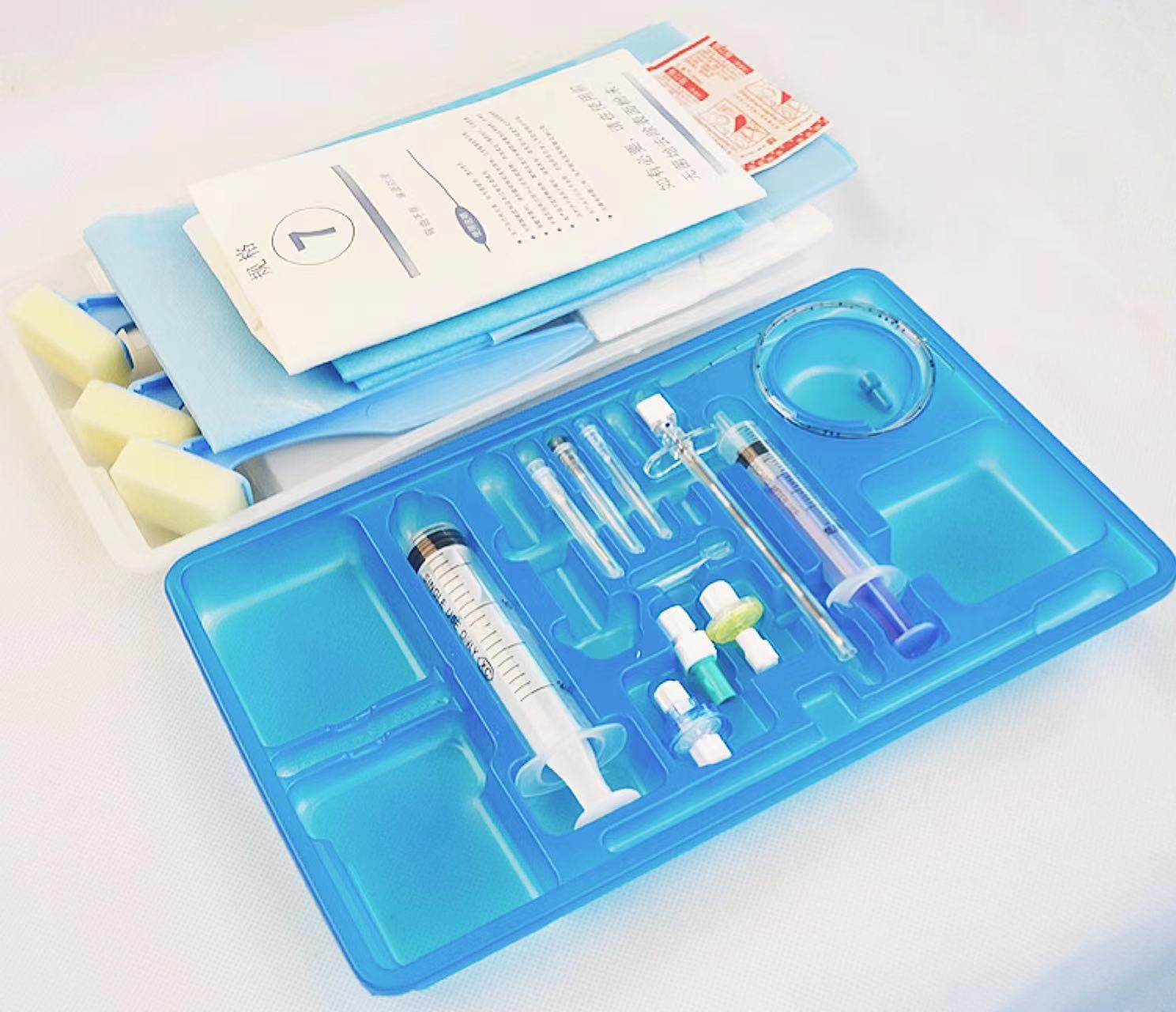
The precision required for cerebrospinal fluid collection demands exceptional medical equipment design, particularly when it comes to the spinal needle used in lumbar punctures. Healthcare professionals rely on meticulously engineered spinal needle systems to ensure accurate fluid sampling while minimizing patient discomfort and procedural complications. Understanding how spinal needle design directly impacts the success of cerebrospinal fluid collection procedures is crucial for medical practitioners seeking optimal patient outcomes.

Anatomical Considerations in Spinal Needle Engineering
Needle Gauge Optimization for Different Patient Demographics
The gauge selection of a spinal needle plays a fundamental role in determining both the ease of cerebrospinal fluid flow and the potential for post-procedural headaches. Smaller gauge spinal needle options, typically ranging from 22 to 27 gauge, create minimal dural defects while maintaining adequate fluid collection rates. Research indicates that thinner spinal needle designs significantly reduce the incidence of post-dural puncture headaches, making them particularly suitable for younger patients who demonstrate higher headache susceptibility. The engineering challenge lies in balancing needle strength with minimal tissue trauma during insertion.
Modern spinal needle manufacturing incorporates advanced metallurgy to ensure that even the finest gauge needles maintain structural integrity throughout the procedure. The relationship between needle diameter and cerebrospinal fluid collection efficiency requires careful consideration of fluid viscosity and pressure dynamics within the subarachnoid space. Healthcare facilities increasingly favor spinal needle systems that offer multiple gauge options within a single procedural kit, allowing physicians to select the most appropriate diameter based on individual patient characteristics and clinical requirements.
Length Specifications and Anatomical Variations
Spinal needle length selection must account for significant anatomical variations among patient populations, particularly considering factors such as body mass index, age-related spinal changes, and underlying medical conditions. Standard spinal needle lengths typically range from 3.5 to 6 inches, with specialized options available for patients with unique anatomical considerations. The precision required for successful cerebrospinal fluid collection necessitates accurate depth penetration without overshooting into critical neural structures.
Advanced spinal needle designs incorporate depth markings and tactile feedback mechanisms to assist physicians in achieving optimal positioning within the subarachnoid space. The engineering of these measurement systems requires precise calibration to ensure consistency across different manufacturing batches and environmental conditions. Modern spinal needle systems often include multiple length options within comprehensive procedural kits, enabling healthcare providers to adapt to unexpected anatomical variations discovered during the procedure.
Tip Design Innovation and Cerebrospinal Fluid Collection Efficiency
Pencil Point Versus Cutting Tip Configurations
The tip configuration of a spinal needle represents one of the most critical design elements affecting both procedural success and patient safety outcomes. Pencil point spinal needle designs, characterized by their conical, non-cutting tips, have demonstrated superior performance in reducing dural fiber damage during penetration. This innovative tip geometry separates rather than cuts dural fibers, resulting in smaller effective holes that seal more efficiently following needle withdrawal. The engineering precision required to manufacture consistent pencil point geometries demands sophisticated quality control processes and advanced machining techniques.
Cutting tip spinal needle configurations, while less commonly used in modern practice, still serve specific clinical applications where rapid penetration is prioritized over minimal tissue trauma. The beveled edge design of cutting tip needles provides tactile feedback that some experienced physicians prefer for navigation through complex anatomical layers. However, the increased incidence of post-procedural complications associated with cutting tip spinal needle systems has led to widespread adoption of pencil point alternatives in routine cerebrospinal fluid collection procedures.
Surface Treatment and Friction Reduction Technology
Modern spinal needle manufacturing incorporates advanced surface treatment technologies to minimize insertion force and improve procedural precision during cerebrospinal fluid collection. Specialized coating applications, including silicone-based lubricants and polymer treatments, reduce friction between the needle surface and surrounding tissues. These surface modifications enable smoother needle advancement while maintaining the tactile feedback necessary for accurate positioning within the subarachnoid space.
The development of friction-reducing technologies for spinal needle applications requires careful consideration of biocompatibility and coating durability throughout the insertion process. Advanced manufacturing techniques ensure that surface treatments remain intact during needle penetration while dissolving safely within the biological environment following procedure completion. Research continues into innovative surface modification techniques that could further enhance spinal needle performance in cerebrospinal fluid collection applications.
Stylet Integration and Needle Performance Enhancement
Stylet Design for Optimal Needle Rigidity
The integration of properly designed stylets within spinal needle systems significantly enhances procedural precision by maintaining needle rigidity during tissue penetration and preventing premature cerebrospinal fluid flow. Advanced stylet engineering ensures perfect dimensional matching with the internal diameter of the spinal needle, eliminating gaps that could compromise structural integrity or allow tissue debris to enter the needle lumen. The materials science behind modern stylet construction focuses on achieving optimal stiffness while maintaining smooth withdrawal characteristics.
Stylet tip design requires careful engineering to prevent inadvertent advancement beyond the spinal needle tip, which could result in neural tissue damage or procedural complications. Modern spinal needle systems incorporate stylet designs with controlled protrusion specifications that maintain consistent positioning relative to the needle tip throughout the insertion process. The precision manufacturing required for these dimensional tolerances demands advanced quality control systems and rigorous testing protocols.
Withdrawal Mechanisms and Cerebrospinal Fluid Flow Control
The mechanism by which stylets are withdrawn from spinal needle systems directly impacts the initiation and control of cerebrospinal fluid flow during collection procedures. Smooth stylet withdrawal prevents sudden pressure changes that could result in rapid fluid loss or air introduction into the subarachnoid space. Advanced spinal needle designs incorporate graduated withdrawal systems that allow physicians to control the rate of stylet removal and monitor cerebrospinal fluid appearance progressively.
Engineering considerations for stylet withdrawal include handle ergonomics, grip surface treatments, and connection security systems that prevent accidental separation during critical procedural moments. Modern spinal needle systems often feature color-coded components and intuitive handling characteristics that reduce the likelihood of procedural errors. The development of these user interface elements requires extensive consultation with healthcare professionals and analysis of real-world usage patterns in clinical settings.
Hub Design and Connection System Engineering
Ergonomic Considerations for Healthcare Provider Comfort
The hub design of spinal needle systems plays a crucial role in procedural success by providing healthcare providers with secure, comfortable grip surfaces during cerebrospinal fluid collection procedures. Ergonomic hub engineering incorporates textured surfaces, optimal diameter specifications, and weight distribution characteristics that reduce hand fatigue during extended procedures. The materials selection for hub construction must balance durability requirements with the tactile sensitivity necessary for precise needle positioning within the subarachnoid space.
Advanced spinal needle hub designs integrate visual indicators and measurement references that assist physicians in monitoring insertion depth and needle orientation throughout the procedure. These engineering features require precise manufacturing tolerances to ensure accuracy and consistency across different production batches. The development of ergonomic hub systems involves extensive testing with healthcare professionals to optimize design parameters for various hand sizes and procedural preferences.
Connection Interface Standards and Compatibility
The connection interfaces integrated into spinal needle hub designs must ensure compatibility with standard cerebrospinal fluid collection equipment while maintaining secure, leak-proof connections throughout the procedure. Luer-lock and slip-tip connection systems represent the most common interface standards, each offering distinct advantages for specific clinical applications. The precision engineering required for these connection systems demands tight manufacturing tolerances and rigorous quality testing to prevent connection failures during critical procedural moments.
Modern spinal needle systems increasingly incorporate universal connection designs that accommodate various collection and measurement devices without requiring specialized adapters or additional components. The engineering challenge involves creating connection systems that maintain sterility while providing healthcare providers with intuitive, reliable attachment mechanisms. Advanced manufacturing techniques ensure that connection interfaces maintain their sealing properties throughout multiple attachment and detachment cycles that may occur during complex procedures.
Quality Control and Manufacturing Precision Standards
Dimensional Accuracy Requirements for Medical Grade Components
The manufacturing precision required for medical-grade spinal needle components far exceeds standards applied to conventional industrial applications, necessitating advanced quality control systems and measurement technologies. Dimensional tolerances for spinal needle manufacturing typically operate within micrometer specifications, ensuring consistent performance characteristics across large production volumes. The quality assurance processes for spinal needle production incorporate multiple inspection stages, from raw material verification through final packaging validation.
Advanced manufacturing facilities utilize precision machining centers and automated inspection systems to maintain the exacting standards required for spinal needle production. Statistical process control methodologies ensure that manufacturing variations remain within acceptable limits while identifying potential quality issues before they impact product performance. The implementation of these quality systems requires significant investment in specialized equipment and highly trained technical personnel capable of maintaining precision manufacturing standards.
Biocompatibility Testing and Material Validation
The materials used in spinal needle construction undergo extensive biocompatibility testing to ensure patient safety during cerebrospinal fluid collection procedures. Stainless steel alloy specifications for spinal needle manufacturing must meet stringent purity standards and demonstrate resistance to corrosion within biological environments. The testing protocols for biocompatibility assessment include cytotoxicity studies, sensitization testing, and long-term stability evaluations under simulated physiological conditions.
Regulatory compliance for spinal needle systems requires comprehensive documentation of material properties, manufacturing processes, and quality control procedures. The validation of manufacturing processes involves extensive testing to demonstrate that production methods consistently yield products meeting all specified performance criteria. Advanced material science techniques continue to drive improvements in spinal needle design, with research focused on developing new alloys and surface treatments that could further enhance procedural outcomes.
FAQ
What gauge spinal needle is most appropriate for routine cerebrospinal fluid collection?
The optimal gauge for routine cerebrospinal fluid collection typically ranges from 22 to 25 gauge, with 22-gauge needles providing faster flow rates and 25-gauge options reducing post-procedural headache incidence. The selection depends on patient factors including age, body habitus, and clinical indication for the procedure. Many healthcare facilities standardize on 22-gauge spinal needle systems for adult patients while reserving smaller gauges for pediatric applications or patients with increased headache risk factors.
How does pencil point tip design improve procedural outcomes compared to cutting tips?
Pencil point tip designs separate dural fibers rather than cutting through them, resulting in smaller effective puncture sites that seal more efficiently following needle removal. This design characteristic significantly reduces the incidence of cerebrospinal fluid leaks and post-dural puncture headaches compared to cutting tip configurations. The improved sealing properties of pencil point tips make them the preferred choice for most modern cerebrospinal fluid collection procedures.
What role does stylet design play in spinal needle performance?
The stylet provides essential structural support during needle insertion, preventing premature cerebrospinal fluid flow and maintaining needle rigidity as it passes through tissue layers. Properly designed stylets fit precisely within the needle lumen without creating gaps that could compromise performance or allow tissue debris to enter the system. The smooth withdrawal characteristics of modern stylet designs enable controlled initiation of cerebrospinal fluid flow once proper positioning is achieved.
How do manufacturing precision standards affect spinal needle reliability?
Manufacturing precision standards ensure consistent dimensional accuracy and performance characteristics across all spinal needle components, directly impacting procedural success rates and patient safety outcomes. Tight tolerances in gauge dimensions, tip geometry, and connection interfaces prevent variability that could compromise cerebrospinal fluid collection efficiency. Advanced quality control systems verify that each spinal needle meets exacting specifications before release for clinical use, maintaining the reliability healthcare providers require for critical procedures.
Table of Contents
- Anatomical Considerations in Spinal Needle Engineering
- Tip Design Innovation and Cerebrospinal Fluid Collection Efficiency
- Stylet Integration and Needle Performance Enhancement
- Hub Design and Connection System Engineering
- Quality Control and Manufacturing Precision Standards
-
FAQ
- What gauge spinal needle is most appropriate for routine cerebrospinal fluid collection?
- How does pencil point tip design improve procedural outcomes compared to cutting tips?
- What role does stylet design play in spinal needle performance?
- How do manufacturing precision standards affect spinal needle reliability?