 EN
EN

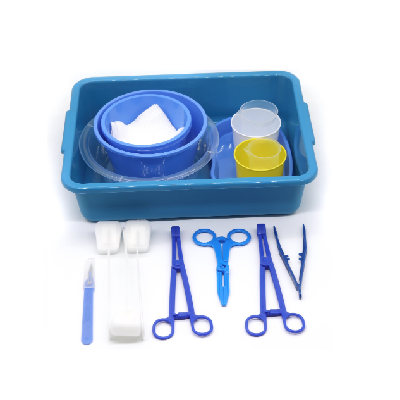
Modern medical procedures demand the highest standards of safety and precision, particularly when it comes to spinal interventions. Healthcare professionals performing lumbar punctures, epidural blocks, and other spinal procedures rely on advanced spinal needle designs that incorporate multiple safety features to protect both patients and practitioners. Understanding these critical safety elements helps ensure optimal outcomes while minimizing potential complications during delicate spinal procedures.

Essential Design Elements for Enhanced Patient Safety
Pencil Point Tip Configuration
The pencil point design represents a revolutionary advancement in spinal needle technology that significantly reduces the risk of post-dural puncture headaches. This specialized tip configuration separates rather than cuts the dural fibers, creating a smaller opening that seals more effectively after needle withdrawal. Modern spinal needle manufacturers have refined this design to achieve optimal penetration characteristics while maintaining tissue integrity throughout the procedure.
Clinical studies demonstrate that pencil point spinal needle designs reduce the incidence of cerebrospinal fluid leakage by up to 85% compared to traditional cutting-edge needles. The atraumatic tip minimizes tissue damage and promotes faster healing at the puncture site. Healthcare providers consistently report improved patient comfort and reduced post-procedure complications when utilizing pencil point spinal needle configurations in their practice.
Optimal Gauge Selection Parameters
Gauge selection plays a crucial role in balancing procedural safety with technical performance requirements. Smaller gauge spinal needle options, typically ranging from 25G to 29G, offer reduced tissue trauma and decreased risk of complications. However, practitioners must consider factors such as cerebrospinal fluid flow rate, patient anatomy, and procedural requirements when selecting the appropriate gauge for each specific application.
The 25-gauge spinal needle represents an optimal balance between safety and functionality for most clinical applications. This gauge provides sufficient structural integrity for precise placement while minimizing patient discomfort and reducing the risk of post-procedural complications. Advanced manufacturing processes ensure consistent wall thickness and tip geometry across all needle sizes.
Advanced Safety Mechanisms and Features
Introducer Systems and Guidance
Contemporary spinal needle systems incorporate sophisticated introducer mechanisms that enhance procedural accuracy and safety. These systems feature specially designed introducer needles that create precise pathways for spinal needle insertion while protecting the delicate tip from damage during placement. The introducer system also provides additional stability and control throughout the procedure, reducing the likelihood of needle deviation or tissue trauma.
Professional-grade spinal needle introducer systems include depth markers and tactile feedback mechanisms that assist practitioners in achieving optimal placement. These features are particularly valuable in challenging cases where anatomical landmarks may be difficult to identify or when working with patients who have unique spinal configurations. The enhanced control provided by modern introducer systems contributes significantly to overall procedural safety and success rates.
Sterility Assurance and Packaging
Sterility maintenance represents a fundamental safety requirement for all spinal needle applications. Modern packaging systems utilize advanced sterilization methods and barrier materials to ensure complete sterility throughout the product shelf life. Individual sterile packaging prevents contamination while allowing for easy aseptic opening in clinical environments. Quality spinal needle manufacturers implement rigorous sterility testing protocols to validate packaging integrity and sterility assurance.
Contemporary spinal needle packaging incorporates tamper-evident seals and clear sterility indicators that provide immediate visual confirmation of package integrity. These features help prevent the inadvertent use of compromised products while streamlining the verification process in busy clinical settings. Advanced packaging materials also protect the delicate spinal needle tips from damage during storage and handling.
Material Engineering and Construction Quality
Surgical Grade Stainless Steel Properties
High-quality spinal needle construction relies on premium surgical-grade stainless steel that provides optimal strength, flexibility, and biocompatibility. This specialized material offers excellent corrosion resistance and maintains sharp cutting edges throughout the procedure. The molecular structure of surgical stainless steel ensures consistent performance characteristics while minimizing the risk of needle breakage or deformation during use.
Advanced metallurgical processes used in spinal needle manufacturing create uniform grain structures that enhance durability and performance reliability. The material composition meets strict medical device standards while providing the necessary flexibility to navigate complex anatomical pathways safely. Quality control testing ensures that each spinal needle meets rigorous strength and performance specifications before clinical use.
Surface Treatment and Coating Technologies
Modern spinal needle manufacturing incorporates specialized surface treatments that enhance insertion characteristics and reduce tissue trauma. These advanced coatings provide lubrication properties that facilitate smooth needle advancement while maintaining excellent tactile feedback for the practitioner. Surface treatments also contribute to improved biocompatibility and reduced inflammatory responses at the insertion site.
Proprietary coating technologies applied to contemporary spinal needle surfaces create microscopic texture patterns that optimize fluid flow characteristics. These treatments enhance cerebrospinal fluid collection rates while maintaining procedural safety parameters. The coating durability ensures consistent performance throughout the entire procedure without degradation or flaking that could compromise patient safety.
Ergonomic Design and Practitioner Safety
Hub Design and Grip Enhancement
Ergonomic hub design significantly impacts practitioner control and procedural safety during spinal needle insertion. Modern hub configurations feature textured grip surfaces and optimized diameter specifications that reduce hand fatigue while providing secure needle control. The hub design also incorporates color-coding systems that facilitate rapid gauge identification and prevent selection errors in clinical environments.
Advanced spinal needle hub designs include integrated safety features such as needle guards and locking mechanisms that protect healthcare providers from accidental needlestick injuries. These safety enhancements are particularly important in emergency situations where rapid deployment is required. The hub material selection ensures chemical resistance and maintains structural integrity under various sterilization conditions.
Length Specifications and Anatomical Considerations
Appropriate spinal needle length selection is crucial for achieving successful procedures while maintaining safety parameters. Standard length options typically range from 89mm to 127mm to accommodate various patient anatomies and procedural requirements. Longer spinal needle configurations provide enhanced reach for challenging cases while maintaining the structural integrity necessary for precise placement and control.
Contemporary spinal needle length specifications consider factors such as patient body habitus, spinal anatomy variations, and procedural approach angles. Graduated length markings on the needle shaft provide visual references for depth assessment during insertion. These measurements assist practitioners in achieving optimal placement while avoiding excessive penetration that could result in complications.
Quality Assurance and Regulatory Compliance
Manufacturing Standards and Certifications
Reputable spinal needle manufacturers adhere to strict quality management systems that ensure consistent product performance and safety. These systems incorporate comprehensive testing protocols that evaluate every aspect of spinal needle design and manufacturing. International quality certifications such as ISO 13485 provide additional assurance of manufacturing process control and product reliability.
Regulatory compliance requirements for spinal needle products include extensive biocompatibility testing, sterility validation, and performance verification studies. These comprehensive evaluation processes ensure that each product meets or exceeds established safety standards before market introduction. Ongoing quality monitoring systems track product performance and identify potential improvements in spinal needle design and manufacturing processes.
Traceability and Documentation Requirements
Modern spinal needle manufacturing incorporates comprehensive traceability systems that track each product from raw material procurement through final distribution. These systems maintain detailed records of manufacturing parameters, quality test results, and distribution channels. Traceability capabilities enable rapid response to quality issues while supporting continuous improvement initiatives in spinal needle design and production.
Documentation requirements for spinal needle products include detailed technical specifications, safety data sheets, and clinical performance information. This comprehensive documentation supports healthcare providers in making informed product selection decisions while ensuring appropriate use in clinical applications. Regular updates to technical documentation reflect ongoing improvements in spinal needle technology and safety features.
Clinical Applications and Best Practices
Procedure-Specific Safety Considerations
Different spinal procedures require specific safety considerations when selecting and using spinal needle products. Lumbar puncture procedures benefit from smaller gauge spinal needle options that minimize tissue trauma while providing adequate cerebrospinal fluid flow rates. Epidural procedures may require different tip configurations and length specifications to achieve optimal placement and safety outcomes.
Anesthesia applications often utilize specialized spinal needle designs that incorporate additional safety features such as depth stops and aspiration capabilities. These features enhance procedural control while reducing the risk of complications during anesthetic delivery. Healthcare providers must consider procedure-specific requirements when selecting appropriate spinal needle configurations for their clinical applications.
Training and Competency Requirements
Proper training in spinal needle selection and use is essential for maintaining optimal safety standards in clinical practice. Healthcare providers must understand the relationship between needle characteristics and patient outcomes to make informed product selection decisions. Ongoing competency assessment ensures that practitioners maintain current knowledge of spinal needle technology and safety protocols.
Professional development programs focusing on spinal needle technology help healthcare providers stay current with advances in safety features and clinical applications. These educational initiatives contribute to improved patient outcomes while reducing the risk of procedure-related complications. Comprehensive training protocols should address proper technique, safety considerations, and troubleshooting procedures for various spinal needle applications.
FAQ
What gauge spinal needle is safest for most procedures
The 25-gauge spinal needle is widely considered the optimal choice for most clinical applications, providing an excellent balance between safety and functionality. This gauge minimizes tissue trauma and reduces post-procedure complications while maintaining adequate cerebrospinal fluid flow rates. Smaller gauges like 27G or 29G may be appropriate for specific applications where minimal tissue disruption is paramount, though they may require longer collection times.
How does pencil point design improve spinal needle safety
Pencil point spinal needle designs significantly enhance safety by separating rather than cutting dural fibers during insertion. This atraumatic approach creates smaller openings that seal more effectively after needle withdrawal, reducing cerebrospinal fluid leakage by up to 85%. The design minimizes tissue damage, promotes faster healing, and substantially decreases the incidence of post-dural puncture headaches compared to traditional cutting-edge needles.
What sterility features should I look for in spinal needle packaging
Quality spinal needle packaging should include tamper-evident seals, clear sterility indicators, and advanced barrier materials that maintain sterility throughout the product shelf life. Look for individual sterile packaging that allows aseptic opening, graduated sterilization validation, and packaging materials that protect delicate needle tips from damage. Reputable manufacturers provide comprehensive sterility documentation and implement rigorous testing protocols to ensure package integrity.
How do introducer systems enhance spinal needle safety
Introducer systems significantly improve spinal needle safety by creating precise insertion pathways while protecting the delicate needle tip from damage. These systems provide enhanced stability and control during placement, reducing the likelihood of needle deviation or tissue trauma. Modern introducers include depth markers, tactile feedback mechanisms, and guidance features that assist in achieving optimal placement, particularly valuable in challenging anatomical cases.