 EN
EN

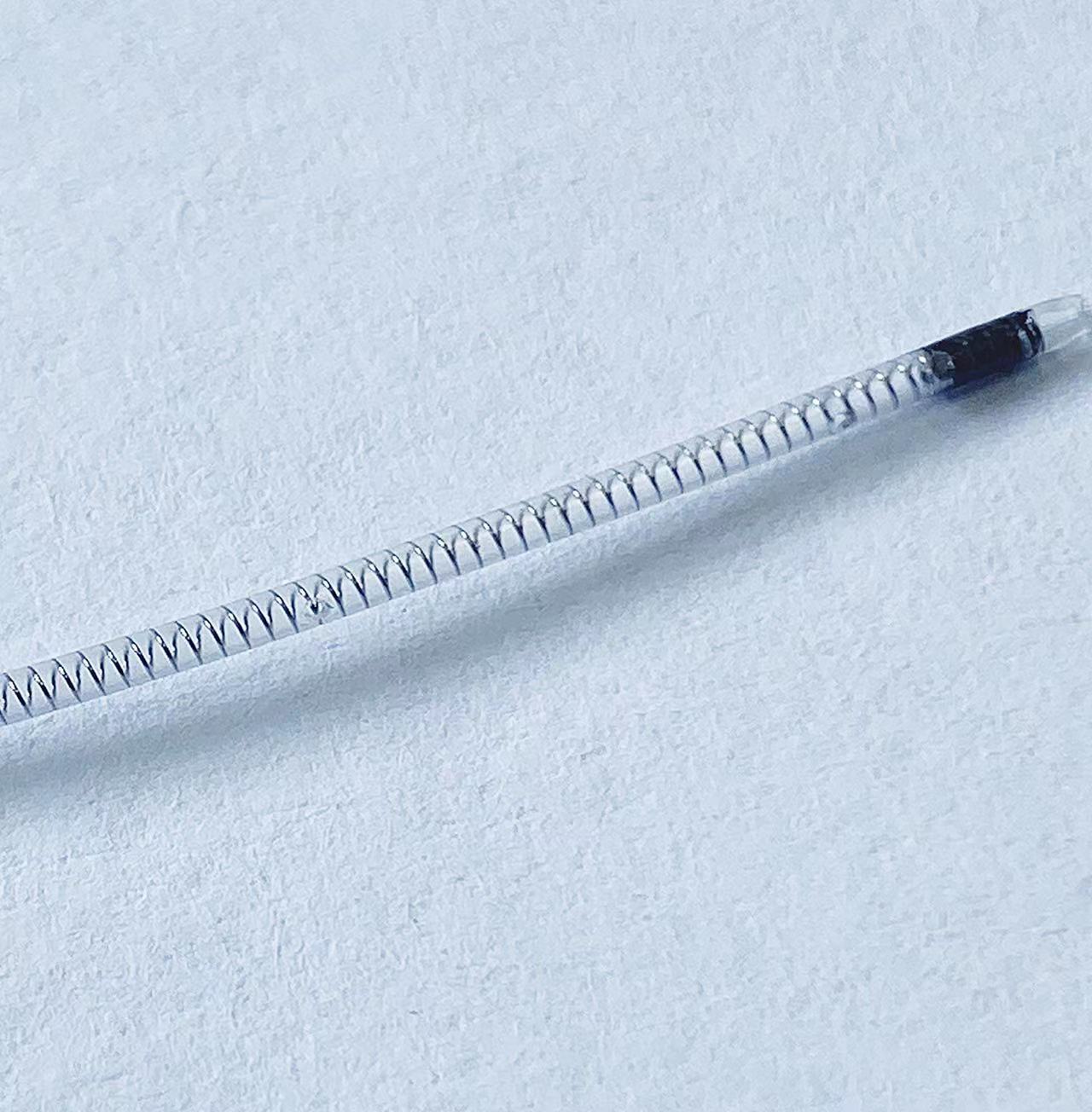
Regional anesthesia has revolutionized modern medical practice, offering patients safer alternatives to general anesthesia while providing precise pain management during surgical procedures. At the heart of this medical advancement lies a specialized instrument that demands both precision and reliability. The epidural needle serves as the critical gateway for administering regional anesthesia, requiring exceptional design characteristics to ensure patient safety and procedural success. Medical professionals worldwide depend on these specialized instruments to deliver targeted pain relief while minimizing systemic complications. Understanding the intricate design features and clinical applications of these needles reveals why they remain indispensable in contemporary anesthetic practice.

Engineering Excellence in Epidural Needle Design
Advanced Tip Geometry and Precision Manufacturing
The engineering behind an epidural needle tip represents decades of refinement in medical device manufacturing. Modern epidural needles feature carefully crafted beveled tips that minimize tissue trauma while providing tactile feedback to the practitioner. The Tuohy tip design, characterized by its curved bevel and lateral opening, has become the gold standard for epidural procedures. This specialized geometry allows the needle to deflect the catheter laterally, reducing the risk of dural puncture and enabling precise catheter placement within the epidural space.
Manufacturing precision extends beyond tip design to encompass the entire needle shaft. High-grade stainless steel construction ensures optimal strength-to-flexibility ratios, allowing the epidural needle to maintain structural integrity while navigating anatomical variations. Surface treatments and electropolishing processes create ultra-smooth needle walls that reduce friction during insertion and catheter threading. These manufacturing considerations directly impact procedural success rates and patient comfort during regional anesthesia administration.
Gauge Selection and Clinical Implications
The selection of appropriate needle gauge represents a critical decision point in epidural procedures. Larger gauge epidural needles, typically ranging from 16G to 18G, provide enhanced tactile feedback and improved catheter threading capabilities. However, the choice involves balancing procedural requirements against patient comfort and tissue trauma considerations. The 18G epidural needle has emerged as a popular choice, offering an optimal compromise between functionality and patient safety.
Clinical studies demonstrate that gauge selection influences both immediate procedural outcomes and long-term patient satisfaction. Thinner needles may reduce insertion discomfort but can compromise the reliability of loss-of-resistance techniques used to identify the epidural space. Conversely, larger gauge options provide superior control and feedback but may increase post-procedural soreness. Understanding these trade-offs enables practitioners to make informed decisions based on individual patient characteristics and procedural requirements.
Clinical Applications and Procedural Considerations
Labor and Delivery Anesthesia
Obstetric anesthesia represents one of the most common applications for epidural needle technology. During labor and delivery, the epidural needle enables the establishment of continuous neuraxial anesthesia, providing effective pain relief while preserving maternal mobility and consciousness. The procedure requires exceptional precision due to anatomical changes associated with pregnancy and the critical nature of maternal-fetal safety. Modern epidural needles incorporate design features specifically optimized for obstetric applications, including enhanced flexibility and specialized depth markings.
The success of labor epidurals depends heavily on proper epidural needle selection and technique. Practitioners must consider factors such as maternal anatomy, gestational stage, and positioning requirements when selecting appropriate equipment. The epidural needle must navigate through multiple tissue layers, including skin, subcutaneous tissue, ligamentum flavum, and finally into the epidural space. Each transition provides distinct tactile feedback, requiring needles engineered to transmit these subtle sensations to the practitioner's hands.
Surgical Anesthesia and Pain Management
Surgical applications of epidural anesthesia extend across numerous medical specialties, from orthopedic procedures to abdominal surgeries. The epidural needle serves as the foundation for establishing regional blocks that can provide both intraoperative anesthesia and postoperative pain management. This dual functionality makes epidural techniques particularly attractive for complex surgical procedures requiring extended pain control protocols.
Contemporary surgical practice increasingly emphasizes multimodal pain management approaches, positioning epidural anesthesia as a cornerstone of enhanced recovery protocols. The epidural needle enables the establishment of continuous infusion systems that can be tailored to individual patient requirements throughout the perioperative period. This flexibility allows for dynamic adjustment of analgesic coverage based on surgical intensity, patient response, and recovery progression.
Safety Features and Risk Mitigation
Dural Puncture Prevention Technologies
Patient safety considerations have driven significant innovations in epidural needle design, particularly regarding dural puncture prevention. Modern epidural needles incorporate various safety mechanisms designed to reduce the incidence of inadvertent dural puncture, a potentially serious complication of epidural procedures. These safety features include specialized tip designs, pressure-sensitive mechanisms, and visual confirmation systems that alert practitioners to proper needle placement.
The economic and clinical implications of dural puncture prevention cannot be overstated. Post-dural puncture headaches can significantly impact patient recovery and satisfaction while imposing additional healthcare costs. Advanced epidural needle designs that minimize this risk represent substantial value propositions for healthcare institutions focused on quality outcomes and cost containment. Investment in superior needle technology often translates to reduced complication rates and improved patient experiences.
Sterility and Infection Control
Infection prevention represents a paramount concern in neuraxial anesthesia procedures. The epidural needle must maintain absolute sterility throughout the procedural sequence, from initial insertion through catheter placement and final withdrawal. Modern manufacturing processes incorporate advanced sterilization techniques and aseptic packaging systems that preserve sterility until the moment of use. These considerations extend to needle design features that minimize bacterial adhesion and facilitate thorough cleaning protocols.
Single-use epidural needle systems have become the standard of care, eliminating risks associated with reprocessing and cross-contamination. These disposable systems incorporate integrated safety features and quality assurance measures that exceed those possible with reusable alternatives. The epidural needle industry has embraced this shift toward disposable systems, developing cost-effective solutions that maintain high performance standards while ensuring optimal infection control.
Technology Integration and Future Developments
Ultrasound-Guided Procedures
The integration of ultrasound guidance with epidural needle procedures represents a significant advancement in regional anesthesia practice. Modern epidural needles are engineered to provide optimal ultrasound visibility through specialized coatings and echogenic tip designs. This technology enables real-time visualization of needle advancement and anatomical structures, significantly improving procedural accuracy and safety outcomes.
Ultrasound guidance has transformed epidural procedures from primarily tactile-based techniques to precision-guided interventions. The epidural needle must be compatible with ultrasound imaging requirements while maintaining traditional functionality for practitioners who prefer conventional approaches. This dual compatibility ensures that modern needles can serve diverse practice preferences and institutional protocols without compromising performance standards.
Smart Technology Integration
Emerging technologies are beginning to influence epidural needle design through smart sensors and digital integration capabilities. Prototype epidural needle systems incorporate pressure sensors, depth measurement devices, and connectivity features that can enhance procedural documentation and quality assurance. These innovations represent the next frontier in regional anesthesia technology, promising improved outcomes through data-driven insights and real-time feedback mechanisms.
The future of epidural needle technology may include artificial intelligence integration that can assist practitioners in identifying optimal insertion points and needle trajectories. Machine learning algorithms could analyze patient anatomical data and historical procedure outcomes to provide personalized recommendations for epidural needle selection and technique optimization. Such developments would represent a paradigm shift toward precision medicine approaches in regional anesthesia practice.
Economic Considerations and Healthcare Value
Cost-Effectiveness Analysis
Healthcare institutions must carefully evaluate the economic implications of epidural needle selection within broader cost containment strategies. While premium epidural needle systems may command higher unit costs, they often provide superior value through reduced complication rates, improved procedural efficiency, and enhanced patient satisfaction scores. Comprehensive cost-effectiveness analyses must consider both direct procedural costs and indirect expenses associated with adverse events and prolonged recovery periods.
The epidural needle represents a relatively small component of total procedural costs but can significantly influence overall economic outcomes. Investing in high-quality needle systems that reduce the likelihood of complications or procedural failures often generates positive returns through avoided costs and improved resource utilization. Healthcare administrators increasingly recognize these value propositions when evaluating epidural needle procurement decisions.
Quality Metrics and Performance Indicators
Modern healthcare delivery emphasizes evidence-based quality metrics that can objectively assess epidural needle performance across multiple dimensions. Key performance indicators include first-attempt success rates, complication frequencies, patient satisfaction scores, and procedural duration measurements. The epidural needle selection directly influences these metrics, making product evaluation a critical component of quality improvement initiatives.
Tracking and analyzing epidural needle performance data enables healthcare institutions to make informed procurement decisions based on objective outcomes rather than subjective preferences. This data-driven approach supports continuous improvement efforts and helps identify opportunities for enhanced patient care delivery. The epidural needle industry responds to these quality requirements through improved product development and comprehensive performance documentation.
FAQ
What gauge epidural needle is most commonly used for adult procedures?
The 18-gauge epidural needle represents the most widely used size for adult regional anesthesia procedures. This gauge provides an optimal balance between tactile feedback, catheter compatibility, and patient comfort. The 18G needle offers sufficient diameter for reliable loss-of-resistance techniques while minimizing tissue trauma during insertion. Some practitioners prefer 17G needles for enhanced tactile feedback, while others may select 20G options for patients requiring minimized insertion discomfort.
How does needle tip design affect epidural procedure success?
Needle tip design significantly influences both procedural success rates and safety outcomes in epidural anesthesia. The Tuohy tip, featuring a curved bevel with lateral opening, has become the gold standard due to its ability to deflect catheters away from the dura while providing excellent tactile feedback. This design minimizes the risk of dural puncture while facilitating smooth catheter threading. Alternative tip designs, such as pencil-point or cutting bevels, may be selected for specific clinical situations but are less commonly used for standard epidural procedures.
What safety features should healthcare facilities prioritize when selecting epidural needles?
Healthcare facilities should prioritize epidural needles with proven safety features including optimized tip geometry for dural puncture prevention, high-quality materials that resist breakage, and reliable depth markings for accurate placement. Additional safety considerations include needles with enhanced ultrasound visibility, integrated safety mechanisms, and comprehensive sterility assurance. Single-use systems eliminate cross-contamination risks, while needles compatible with loss-of-resistance syringes provide reliable feedback for proper epidural space identification.
How often should epidural needle inventory be rotated to maintain optimal quality?
Epidural needle inventory should be managed using first-in-first-out rotation principles to ensure optimal product quality and sterility assurance. Most manufacturers specify expiration dates ranging from 3-5 years from production, but facilities should establish inventory turnover protocols that prevent needles from approaching expiration. Regular quality audits should verify proper storage conditions including temperature control and protection from physical damage. Facilities should maintain adequate inventory levels to support procedural volumes while minimizing waste from expired products.
Table of Contents
- Engineering Excellence in Epidural Needle Design
- Clinical Applications and Procedural Considerations
- Safety Features and Risk Mitigation
- Technology Integration and Future Developments
- Economic Considerations and Healthcare Value
-
FAQ
- What gauge epidural needle is most commonly used for adult procedures?
- How does needle tip design affect epidural procedure success?
- What safety features should healthcare facilities prioritize when selecting epidural needles?
- How often should epidural needle inventory be rotated to maintain optimal quality?