 EN
EN

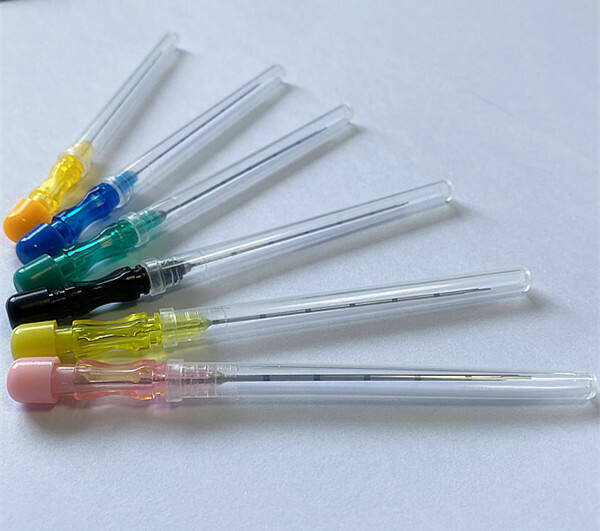
The practice of acupoint thread embedding has gained significant recognition in modern therapeutic applications, requiring specialized tools that ensure both safety and effectiveness. A catgut embedding needle represents a crucial component in this ancient healing technique, combining traditional wisdom with contemporary medical standards. Healthcare practitioners who perform thread embedding procedures must carefully evaluate various factors when selecting their instruments to guarantee optimal patient outcomes and procedural success.
Understanding the importance of needle quality becomes paramount when considering patient safety and treatment efficacy. Professional practitioners recognize that inferior instruments can compromise therapeutic results while potentially causing unnecessary discomfort or complications. The selection process involves evaluating multiple characteristics that distinguish superior products from standard alternatives in the medical device market.
Essential Quality Parameters for Medical Embedding Needles
Material Composition and Biocompatibility
The foundation of any reliable catgut embedding needle lies in its material composition, which must meet stringent medical grade requirements. Stainless steel remains the preferred choice for needle construction due to its corrosion resistance, durability, and biocompatible properties. High-quality needles utilize surgical-grade stainless steel that undergoes specialized treatments to enhance strength while maintaining flexibility during insertion procedures.
Surface treatments play a crucial role in determining needle performance and patient comfort. Advanced manufacturing processes include polishing techniques that create ultra-smooth surfaces, reducing tissue trauma during insertion. Silicon coating applications provide additional lubrication properties that facilitate easier penetration while minimizing patient discomfort throughout the embedding process.
Precision Engineering and Manufacturing Standards
Manufacturing precision directly impacts the functionality and reliability of embedding needles used in therapeutic applications. Quality control measures ensure consistent needle diameter, length specifications, and point geometry across production batches. Automated manufacturing processes maintain tight tolerances that guarantee uniform performance characteristics essential for professional medical practice.
Sterilization protocols represent another critical aspect of manufacturing standards that cannot be overlooked. Reputable manufacturers implement validated sterilization processes using gamma radiation or ethylene oxide methods that eliminate potential pathogens while preserving needle integrity. Proper packaging systems maintain sterility until the moment of use, providing practitioners with confidence in instrument safety.
Design Characteristics That Influence Performance
Needle Geometry and Point Configuration
The geometric design of a catgut embedding needle significantly influences its penetration characteristics and tissue interaction properties. Point geometry variations include lancet tips, trocar points, and beveled configurations, each offering specific advantages for different tissue types and insertion techniques. Sharp, precisely ground points minimize insertion force while reducing tissue displacement during the embedding procedure.
Needle shaft design considerations encompass diameter selection, length specifications, and flexibility characteristics that accommodate various anatomical locations. Thinner gauge needles reduce tissue trauma but must maintain sufficient structural integrity to support thread delivery mechanisms. Length options provide versatility for treating different body regions while ensuring adequate penetration depth for effective thread placement.
Thread Delivery Mechanisms and Functionality
Effective thread delivery systems distinguish professional-grade embedding needles from basic alternatives available in the market. Advanced mechanisms incorporate smooth thread release functions that prevent binding or premature deployment during positioning phases. Spring-loaded systems provide controlled thread ejection that allows practitioners to maintain precise placement control throughout the procedure.
Integration between needle components and thread materials requires careful engineering to ensure compatibility and reliable performance. Quality needles accommodate various thread types while maintaining consistent delivery characteristics regardless of material variations. Smooth internal surfaces prevent thread damage during loading and deployment phases of the treatment process.
Safety Features and Risk Mitigation
Contamination Prevention Systems
Modern catgut embedding needle designs incorporate multiple safety features that protect both practitioners and patients from potential contamination risks. Single-use disposable construction eliminates cross-contamination concerns while ensuring optimal sterility for each treatment session. Individual packaging systems maintain instrument integrity until the moment of use, providing additional protection against environmental contaminants.
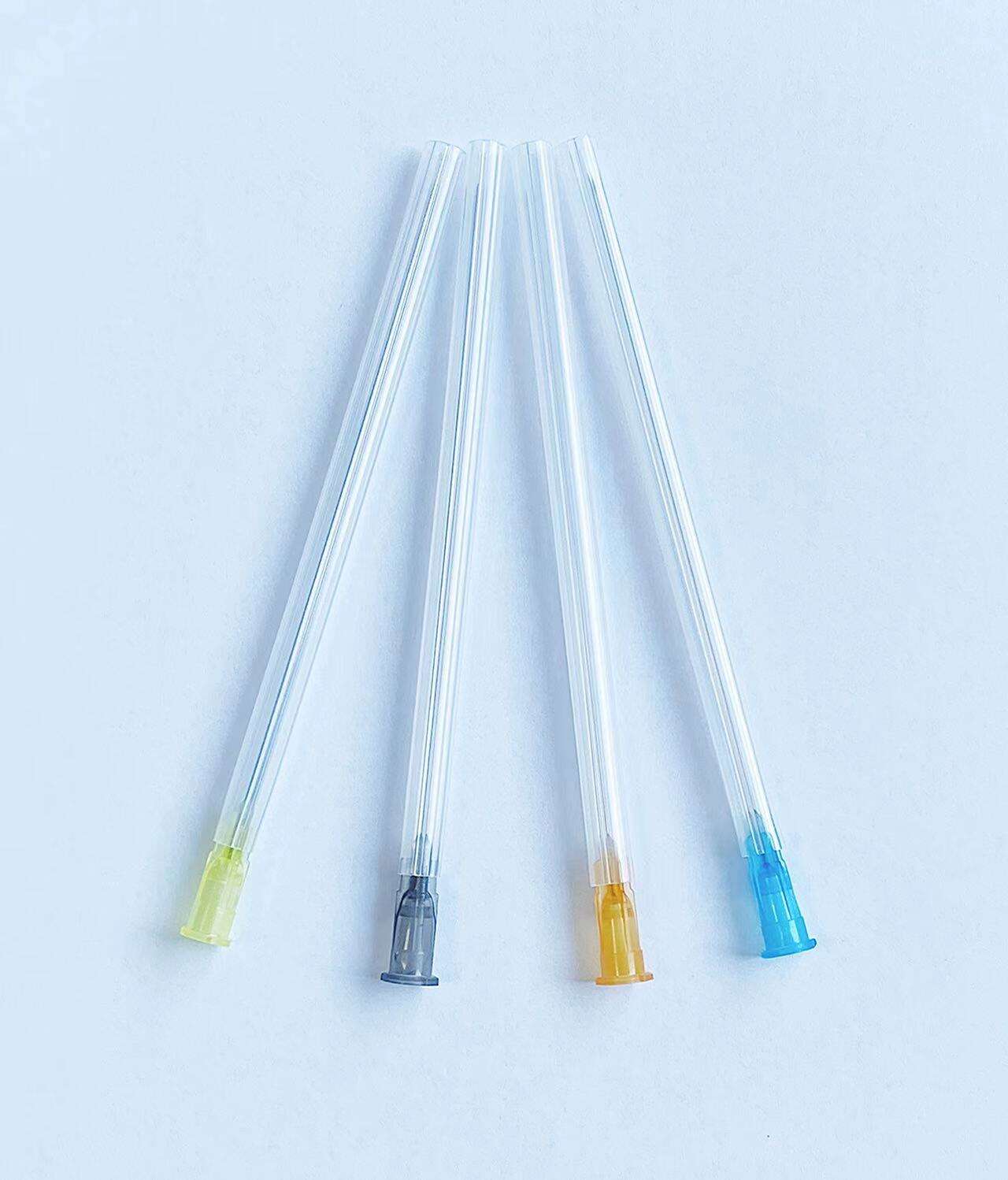
Safety mechanisms include needle shields and protective caps that prevent accidental needle stick injuries during handling and disposal procedures. Color-coded systems help practitioners identify different needle specifications quickly while reducing selection errors that could compromise treatment outcomes. Clear labeling provides essential information about gauge, length, and sterilization dates for proper inventory management.
Ergonomic Design Considerations
Practitioner comfort and control significantly impact treatment precision and patient safety during embedding procedures. Ergonomic handle designs reduce hand fatigue during extended treatment sessions while providing secure grip characteristics that prevent slippage. Textured surfaces enhance control even when wearing medical gloves, maintaining dexterity throughout complex procedures.
Weight distribution and balance characteristics affect practitioner ability to maintain steady hand positions during delicate insertion phases. Well-designed needles provide tactile feedback that allows experienced practitioners to gauge tissue resistance and adjust insertion techniques accordingly. Proper ergonomics contribute to reduced procedure times while improving overall treatment outcomes.
Regulatory Compliance and Quality Assurance
Medical Device Standards and Certifications
Regulatory compliance represents a fundamental requirement for any catgut embedding needle used in professional medical practice. Quality manufacturers obtain necessary certifications from relevant health authorities, including FDA approvals, CE markings, and ISO quality system registrations. These certifications demonstrate adherence to established safety standards and manufacturing best practices.
Documentation requirements include detailed product specifications, sterilization validation data, and biocompatibility testing results that verify material safety for human use. Traceability systems allow manufacturers to track individual products throughout the supply chain, enabling rapid response to quality concerns or safety notifications. Regular audits ensure continued compliance with evolving regulatory requirements.
Quality Control Testing Procedures
Comprehensive testing protocols verify needle performance characteristics before products reach healthcare facilities. Mechanical testing evaluates needle strength, flexibility, and durability under simulated use conditions. Dimensional verification ensures consistent specifications across production lots while identifying any manufacturing variations that could affect performance.
Sterility testing confirms the effectiveness of sterilization processes while package integrity tests verify barrier properties of protective packaging systems. These quality assurance measures provide practitioners with confidence in product reliability and safety characteristics essential for professional medical applications.
Cost Considerations and Value Assessment
Total Cost of Ownership Analysis
Evaluating the true cost of catgut embedding needle selection extends beyond initial purchase prices to include factors that impact long-term practice economics. Higher quality needles often provide better value through improved reliability, reduced procedure times, and enhanced patient outcomes that support practice reputation and growth. Cost per procedure calculations should include time savings, reduced complication rates, and patient satisfaction improvements.
Bulk purchasing considerations may offer cost advantages while ensuring adequate inventory levels for busy practices. However, practitioners must balance cost savings against storage requirements and expiration date management to prevent waste. Reliable supplier relationships provide consistent product availability while supporting competitive pricing structures.
Return on Investment Factors
Investment in quality needles generates returns through multiple channels that extend beyond immediate cost considerations. Improved patient outcomes lead to increased referrals and practice growth opportunities that justify premium product investments. Reduced complication rates minimize liability risks while enhancing practitioner confidence in treatment protocols.
Time efficiency gains allow practitioners to schedule more treatments while maintaining quality standards throughout busy practice periods. Consistent needle performance reduces the need for procedure repetition or correction, improving overall practice productivity and patient satisfaction scores.
FAQ
What gauge size is recommended for catgut embedding procedures?
The optimal gauge size for catgut embedding needle applications typically ranges from 26 to 30 gauge, depending on the specific treatment area and thread thickness requirements. Thinner gauges minimize tissue trauma but require careful handling to prevent needle breakage. Practitioners should select gauge sizes based on anatomical considerations, thread specifications, and patient comfort requirements while maintaining adequate structural integrity for reliable thread delivery.
How do I verify the sterility of embedding needles before use?
Sterility verification involves examining packaging integrity, checking expiration dates, and confirming proper storage conditions before opening needle packages. Look for any tears, punctures, or moisture contamination in protective packaging that could compromise sterility. Reputable manufacturers provide clear labeling with sterilization dates, lot numbers, and expiration information that allow practitioners to verify product quality and safety before use.
What are the key differences between disposable and reusable embedding needles?
Disposable catgut embedding needle options provide guaranteed sterility, eliminate cross-contamination risks, and reduce infection control requirements compared to reusable alternatives. Single-use needles maintain optimal sharpness for each procedure while eliminating sterilization costs and equipment requirements. Although initial costs may appear higher, disposable needles often provide better value through improved safety, convenience, and consistent performance characteristics.
How should unused embedding needles be stored to maintain quality?
Proper storage requires maintaining needles in their original packaging within temperature-controlled environments away from direct sunlight and moisture sources. Storage areas should remain clean and organized with proper inventory rotation to ensure older stock is used before expiration dates. Avoid storage locations subject to temperature extremes, mechanical stress, or potential contamination sources that could compromise needle integrity or sterility.