 EN
EN

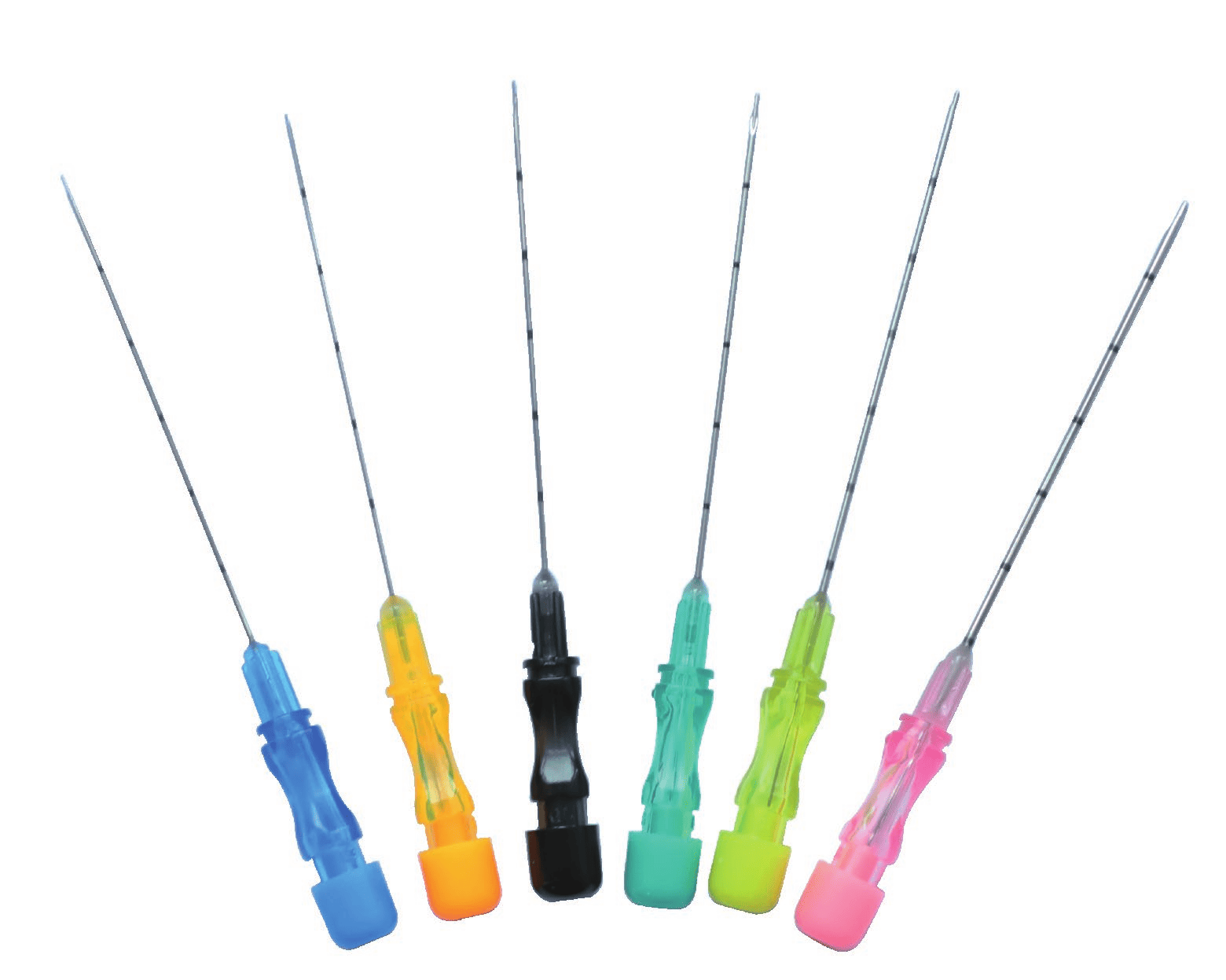
Chronic pain management has evolved significantly with the introduction of innovative therapeutic techniques that combine traditional medicine principles with modern medical applications. Among these groundbreaking approaches, the catgut embedding needle has emerged as a revolutionary treatment modality for addressing persistent pain conditions. This specialized medical device represents a fusion of acupuncture methodology and sustained therapeutic intervention, offering patients a unique solution for long-term pain relief without the need for frequent clinical visits.
The therapeutic mechanism underlying this treatment approach involves the strategic placement of biodegradable catgut sutures at specific acupuncture points using precision needles. This technique provides continuous stimulation to targeted areas over extended periods, typically ranging from several days to weeks, depending on the specific condition being treated. Healthcare practitioners have increasingly recognized the potential of this method for managing various chronic pain syndromes, including fibromyalgia, arthritis, and neuropathic pain conditions that have proven resistant to conventional treatment approaches.
Understanding the scientific foundation behind catgut embedding therapy requires examining both its historical roots in traditional Chinese medicine and its modern clinical applications. The procedure builds upon centuries-old acupuncture principles while incorporating contemporary medical knowledge about pain pathways, tissue healing, and sustained therapeutic stimulation. This comprehensive approach to chronic pain management represents a significant advancement in integrative medicine, offering patients an alternative to pharmaceutical interventions that may carry unwanted side effects or dependency risks.
Understanding the Mechanism of Catgut Embedding Therapy
Biological Response and Tissue Interaction
The catgut embedding needle facilitates a complex biological response within the target tissue that extends far beyond simple mechanical stimulation. When the biodegradable catgut material is placed beneath the skin at specific acupuncture points, it triggers a controlled inflammatory response that promotes healing and pain relief. This process involves the gradual breakdown of the catgut suture material, which stimulates local blood circulation, enhances lymphatic drainage, and activates the body's natural pain-relieving mechanisms through the release of endorphins and other neurotransmitters.
The sustained presence of the embedded material creates a continuous therapeutic effect that distinguishes this treatment from traditional acupuncture sessions. While conventional acupuncture provides temporary stimulation during the treatment session, catgut embedding therapy offers prolonged activation of specific acupoints. This extended stimulation period allows for deeper physiological changes, including improved cellular metabolism, enhanced tissue oxygenation, and normalized nerve function in areas affected by chronic pain conditions.
Research has demonstrated that the biodegradable nature of catgut sutures plays a crucial role in the therapeutic mechanism. As the material gradually dissolves, it maintains consistent pressure and stimulation at the treatment site while avoiding the complications associated with permanent implants. This controlled degradation process typically occurs over a period of 7 to 14 days, during which patients experience continuous therapeutic benefits without the need for daily interventions or medication schedules.
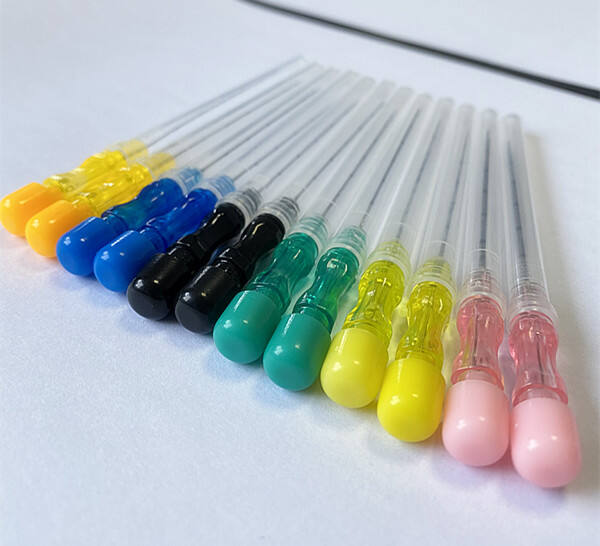
Neurological Pathways and Pain Modulation
The neurological mechanisms activated by catgut embedding therapy involve multiple pain modulation pathways that work synergistically to provide comprehensive relief for chronic pain sufferers. The continuous stimulation provided by the embedded catgut material activates both peripheral and central nervous system responses, including the gate control theory of pain and the activation of descending pain inhibitory pathways. These mechanisms help interrupt the transmission of pain signals from the affected area to the brain, effectively reducing the perception of chronic pain.
Scientific studies have shown that the catgut embedding needle treatment stimulates the release of various neurotransmitters and hormones that contribute to pain relief and overall well-being. These include endorphins, serotonin, and norepinephrine, which are the body's natural pain-relieving chemicals. The sustained release of these substances over the treatment period provides patients with consistent pain relief that often exceeds what can be achieved through traditional pain management approaches.
Additionally, the therapy has been observed to influence the autonomic nervous system, helping to restore balance between sympathetic and parasympathetic functions. This rebalancing effect can be particularly beneficial for patients whose chronic pain conditions are associated with stress-related symptoms, sleep disturbances, or anxiety disorders. The holistic impact of catgut embedding therapy extends beyond simple pain relief to encompass overall improvement in quality of life and functional capacity.
Clinical Applications and Treatment Protocols
Specific Conditions and Patient Selection
Healthcare practitioners have successfully employed catgut embedding therapy for a wide range of chronic pain conditions, with particularly notable results in musculoskeletal disorders, neuropathic pain syndromes, and certain types of headaches. Fibromyalgia patients have shown significant improvement in pain levels, sleep quality, and overall functional status following catgut embedding treatments. The therapy has also demonstrated effectiveness in managing chronic lower back pain, arthritis-related discomfort, and pain associated with previous injuries or surgical procedures.
Patient selection for catgut embedding therapy requires careful consideration of individual medical history, current medications, and specific pain characteristics. Ideal candidates typically include individuals who have not achieved satisfactory relief through conventional treatments, those seeking to reduce dependence on pain medications, or patients interested in integrative approaches to pain management. Healthcare providers must evaluate factors such as skin condition, immune system function, and the presence of any contraindications before recommending this treatment approach.
The treatment protocol involves precise identification of appropriate acupuncture points based on the patient's specific condition and pain pattern. Experienced practitioners use their knowledge of traditional Chinese medicine meridians combined with modern anatomical understanding to select optimal insertion sites. The number of points treated and the frequency of sessions depend on the severity of the condition, patient response to initial treatments, and individual healing characteristics.
Procedure Techniques and Safety Considerations
The catgut embedding procedure requires specialized training and expertise to ensure optimal results and patient safety. Healthcare practitioners must maintain strict sterile conditions throughout the treatment process, using single-use disposable needles and following established infection control protocols. The procedure typically begins with thorough skin preparation and local area assessment to identify the most effective treatment points for the individual patient's condition.
During the actual embedding process, practitioners use precise needle insertion techniques to place the catgut suture material at the appropriate depth and location within the target tissue. The depth of insertion varies depending on the specific acupuncture point and the patient's individual anatomy, requiring skilled judgment and experience to achieve optimal therapeutic positioning. Proper technique ensures that the embedded material provides maximum therapeutic benefit while minimizing any discomfort or adverse reactions.
Post-procedure care involves monitoring the treatment sites for appropriate healing response and providing patients with specific aftercare instructions. These may include guidelines for activity modification, signs to watch for potential complications, and recommendations for follow-up appointments. Most patients experience minimal discomfort following the procedure, with any initial sensation at the insertion sites typically resolving within the first 24 to 48 hours after treatment.
Advantages and Treatment Outcomes
Long-term Benefits and Sustained Relief
One of the most significant advantages of catgut embedding therapy lies in its ability to provide sustained pain relief over extended periods following a single treatment session. Unlike daily medications or frequent therapy appointments, this approach offers patients the convenience of long-lasting therapeutic benefits with minimal ongoing intervention requirements. Many patients report continued improvement in pain levels for weeks or even months following their catgut embedding treatment, making it a cost-effective option for chronic pain management.
The cumulative benefits of repeated catgut embedding sessions often exceed the sum of individual treatments, as the therapy appears to promote long-term healing and pain pathway modification. Patients frequently experience progressive improvement with each treatment cycle, leading to enhanced overall function and quality of life. This progressive improvement pattern distinguishes catgut embedding therapy from symptomatic treatments that provide only temporary relief without addressing underlying pain mechanisms.
Clinical follow-up studies have demonstrated that patients who undergo regular catgut embedding treatments often require fewer conventional pain medications and experience reduced healthcare utilization for pain-related issues. The therapy's ability to address multiple aspects of chronic pain, including physical discomfort, sleep disturbances, and emotional well-being, contributes to its comprehensive therapeutic value and patient satisfaction rates.
Integration with Conventional Medicine
Catgut embedding therapy integrates seamlessly with conventional medical treatments, offering patients a complementary approach that enhances rather than replaces standard care protocols. Many healthcare providers incorporate this technique into comprehensive pain management programs that may include physical therapy, medication management, and psychological support services. This integrative approach recognizes that chronic pain often requires multifaceted treatment strategies for optimal outcomes.
The compatibility of catgut embedding therapy with other medical interventions makes it particularly valuable for patients who are already receiving various treatments for their chronic pain conditions. The therapy does not interfere with most medications or other therapeutic modalities, allowing patients to maintain their existing treatment regimens while adding this beneficial intervention. Healthcare providers appreciate this flexibility, as it enables them to customize treatment plans based on individual patient needs and preferences.
Evidence-based research continues to support the integration of catgut embedding therapy into mainstream medical practice, with studies demonstrating its safety profile and therapeutic efficacy across diverse patient populations. As more healthcare institutions recognize the value of integrative pain management approaches, catgut embedding therapy is increasingly being included in comprehensive treatment protocols for chronic pain conditions.
FAQ
How long does catgut embedding therapy last for chronic pain relief
The duration of pain relief from catgut embedding therapy varies depending on individual patient factors and the specific condition being treated. Most patients experience therapeutic benefits for approximately 2 to 4 weeks following a single treatment session, with some reporting sustained improvement for up to 6 weeks or longer. The catgut suture material typically dissolves completely within 7 to 14 days, but the therapeutic effects continue beyond this timeframe due to the biological changes initiated by the treatment. Patients with chronic conditions often benefit from periodic treatment sessions spaced 4 to 6 weeks apart to maintain optimal pain relief levels.
What are the potential side effects of catgut embedding needle treatment
Catgut embedding therapy is generally well-tolerated with minimal side effects when performed by qualified practitioners. The most common side effects include mild soreness or tenderness at the insertion sites, which typically resolves within 24 to 48 hours after treatment. Some patients may experience slight bruising or temporary skin discoloration around the treatment areas. Serious complications are rare but may include infection, allergic reactions to the catgut material, or nerve irritation if the procedure is performed incorrectly. Patients should always discuss their medical history and any concerns with their healthcare provider before beginning treatment.
Is catgut embedding therapy suitable for all types of chronic pain conditions
While catgut embedding therapy has shown effectiveness for many chronic pain conditions, it may not be suitable for all patients or pain types. The therapy is particularly effective for musculoskeletal pain, fibromyalgia, chronic headaches, and neuropathic pain conditions. However, patients with certain medical conditions such as severe bleeding disorders, active infections, compromised immune systems, or pregnancy may not be appropriate candidates for this treatment. Additionally, patients with allergies to catgut or other suture materials should avoid this therapy. A thorough medical evaluation and consultation with a qualified practitioner is essential to determine individual suitability for treatment.
How does catgut embedding compare to traditional acupuncture for pain management
Catgut embedding therapy offers several advantages over traditional acupuncture, primarily in terms of duration and convenience of treatment effects. While traditional acupuncture provides therapeutic benefits during and immediately after treatment sessions, catgut embedding therapy provides continuous stimulation for extended periods without requiring frequent clinic visits. This sustained stimulation often results in deeper and longer-lasting therapeutic changes compared to traditional acupuncture alone. However, both approaches can be complementary, and many practitioners use them together as part of comprehensive treatment protocols. The choice between treatments depends on individual patient needs, condition severity, and treatment goals.