Complete Guide to Medical Pump Types: Features, Benefits & Applications

All Categories
Get a Quote

types of medical pumps

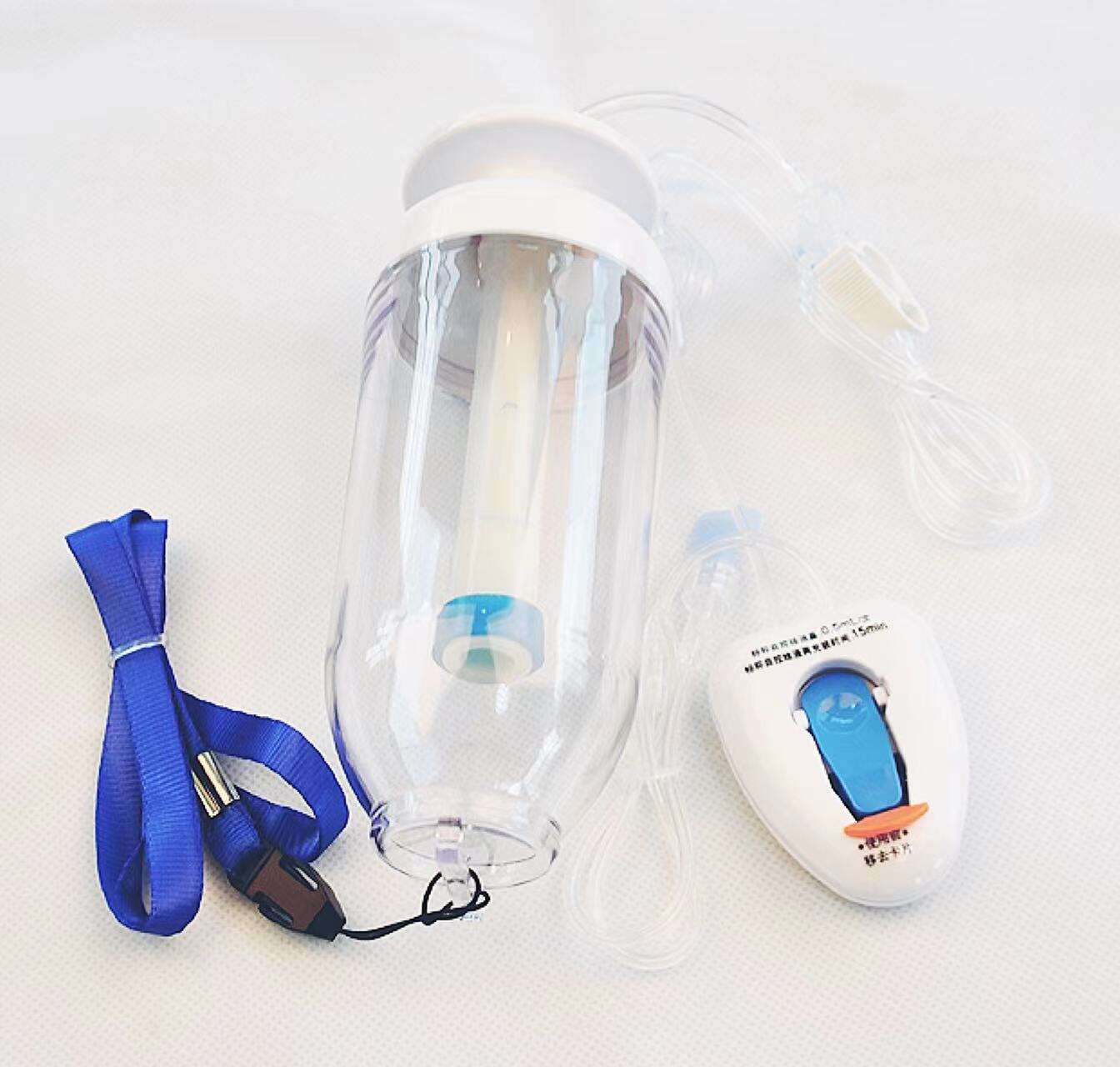
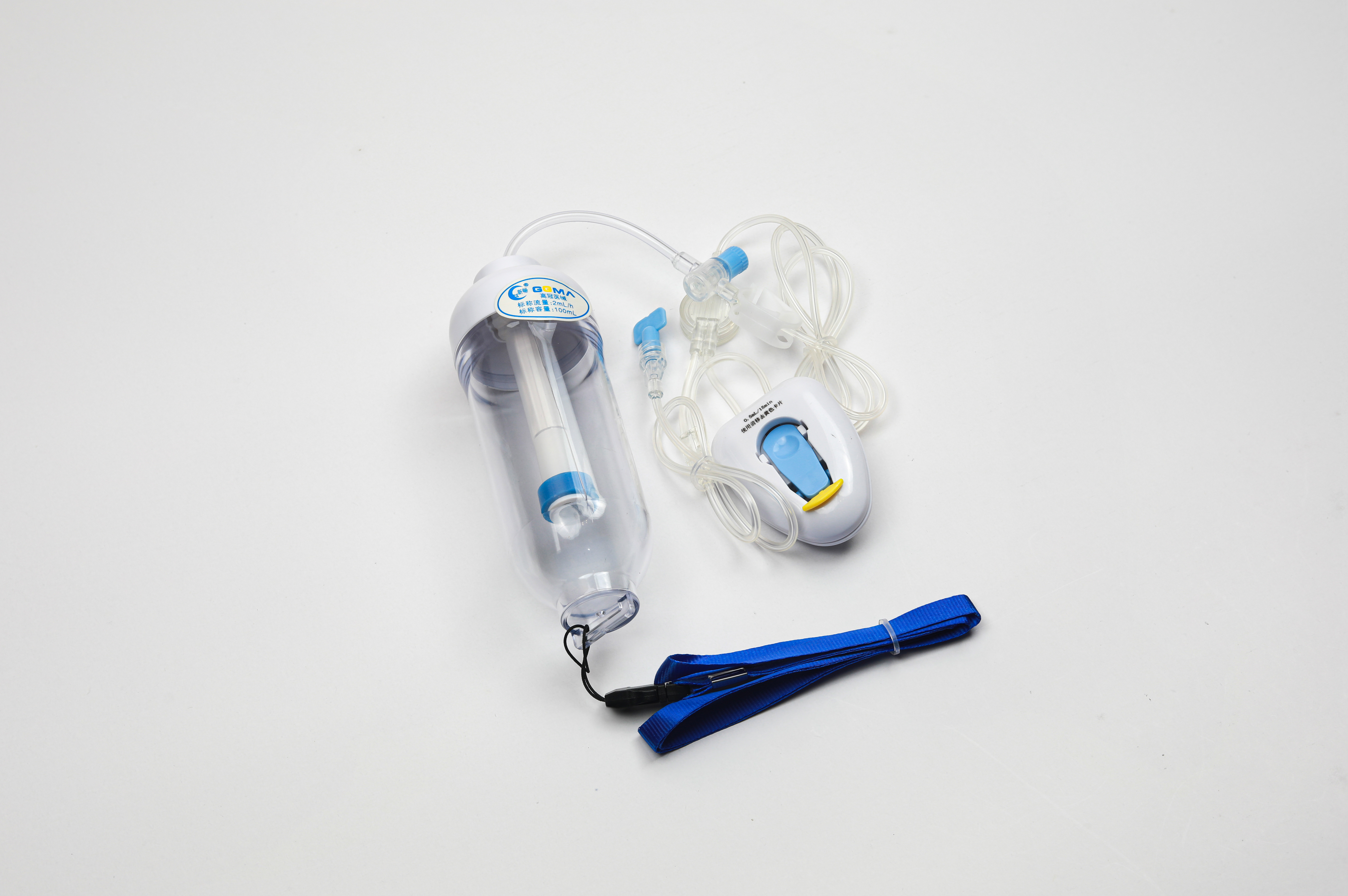
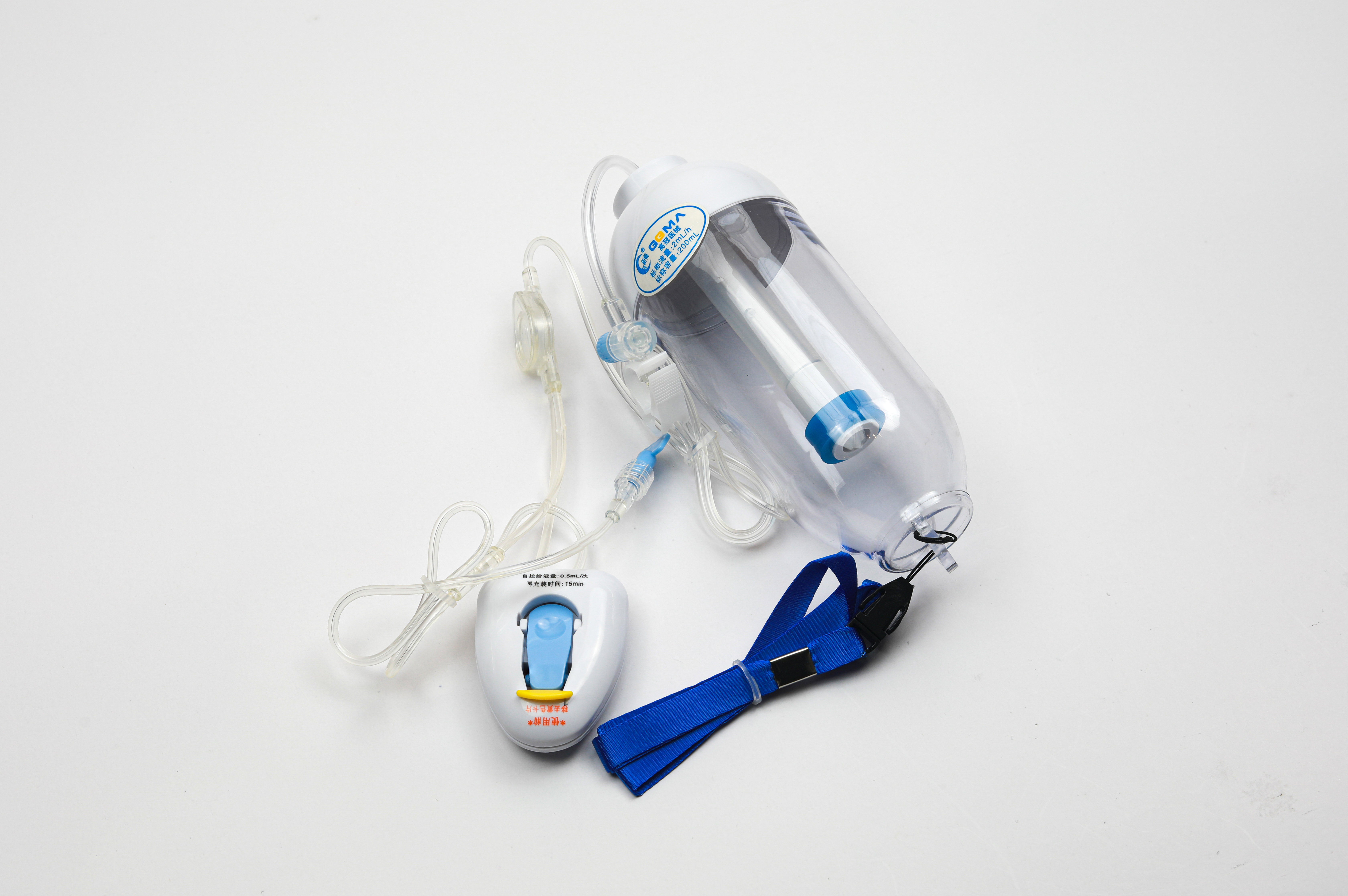
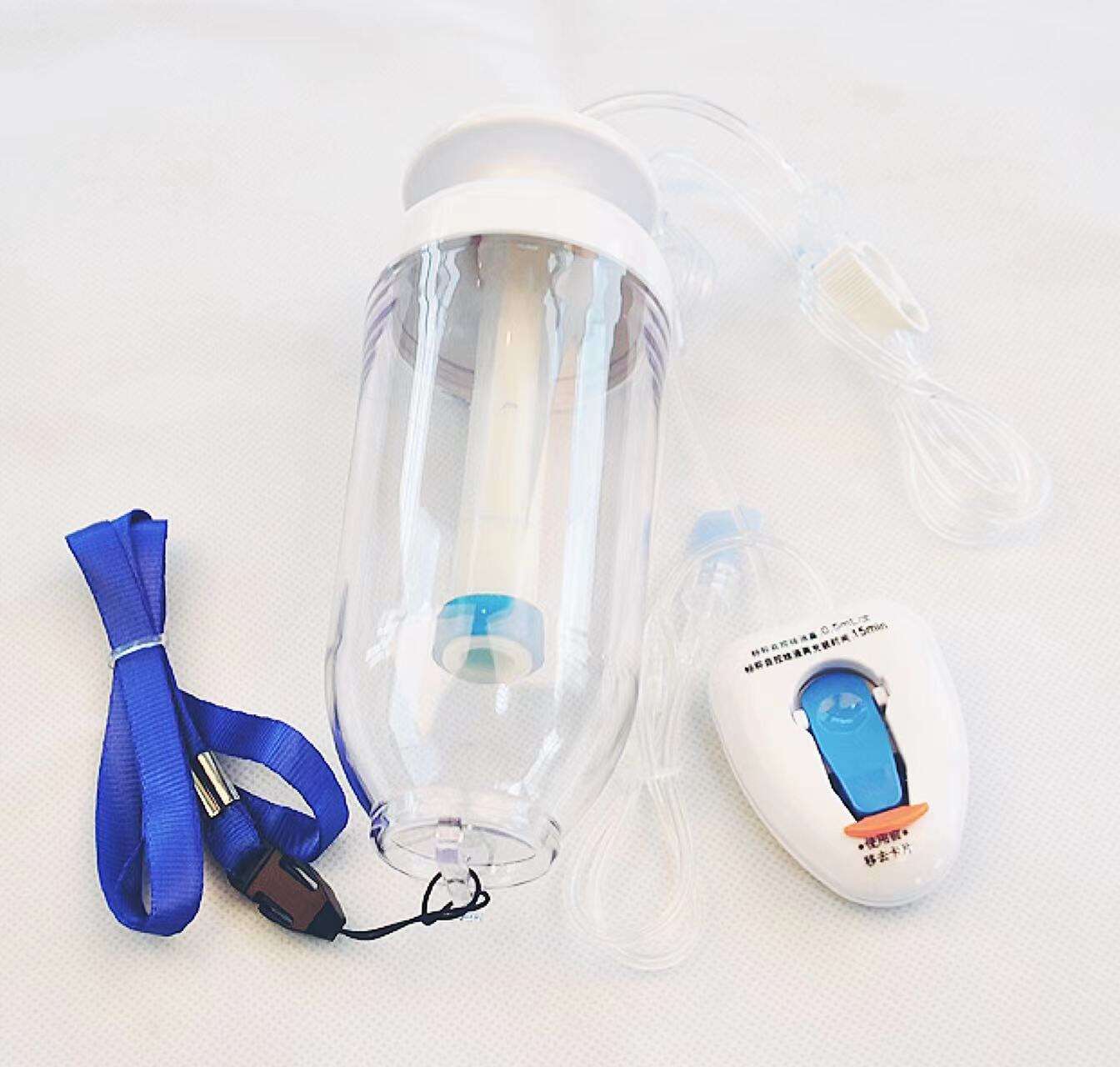
Medical pumps represent critical healthcare devices that deliver precise fluid administration in various clinical settings. These sophisticated instruments ensure accurate medication delivery, nutritional support, and therapeutic interventions across hospitals, clinics, and home healthcare environments. Understanding the types of medical pumps available helps healthcare professionals select appropriate equipment for specific patient needs and treatment protocols. Infusion pumps constitute the most common category, delivering medications, fluids, and nutrients directly into patients' bloodstreams through intravenous access. These devices feature programmable flow rates, dose calculations, and safety mechanisms that prevent medication errors. Advanced infusion systems incorporate smart technology, drug libraries, and wireless connectivity for enhanced patient monitoring. Syringe pumps offer another essential type of medical pump, providing highly accurate small-volume delivery for critical medications like insulin, heparin, and chemotherapy drugs. These compact devices excel in neonatal intensive care, anesthesia, and research applications where precision matters most. Enteral feeding pumps facilitate nutritional support for patients unable to consume food orally. These specialized devices deliver liquid nutrition through gastric tubes, ensuring proper caloric intake and medication administration for patients with swallowing difficulties or gastrointestinal disorders. Ambulatory pumps enable patient mobility while receiving continuous therapy. These portable devices support outpatient treatment, allowing individuals to maintain normal activities while receiving medications like antibiotics, pain management drugs, or chemotherapy. Patient-controlled analgesia pumps empower individuals to self-administer pain medication within preset safety parameters. These devices improve pain management outcomes while reducing nursing workload and enhancing patient satisfaction. Dialysis pumps perform life-sustaining blood filtration for patients with kidney failure, incorporating multiple pump mechanisms for blood circulation, dialysate flow, and ultrafiltration control. Each type of medical pump incorporates specific technological features designed for particular clinical applications, ensuring optimal patient care and treatment outcomes.

Popular Products

The types of medical pumps deliver substantial benefits that revolutionize patient care and healthcare delivery efficiency. Enhanced medication accuracy represents the primary advantage, as these devices eliminate human calculation errors and ensure precise drug delivery according to prescribed protocols. Healthcare providers experience reduced workload through automated delivery systems that monitor infusion rates, detect occlusions, and alert staff to potential complications. This automation allows nurses to focus on direct patient care rather than constant medication monitoring. Patient safety improvements constitute another significant benefit, with built-in safety mechanisms preventing overdoses, air embolism, and free-flow incidents. Smart pump technology incorporates drug libraries that warn against dangerous medication combinations and dosing errors. Cost-effectiveness emerges through reduced medication waste, decreased adverse events, and shortened hospital stays. Accurate delivery systems minimize drug spillage and ensure patients receive exact prescribed amounts, optimizing pharmaceutical budgets. The types of medical pumps support diverse treatment protocols, from critical care interventions to routine maintenance therapy, providing healthcare facilities with versatile solutions for multiple patient populations. Portability features enable continued treatment during patient transport, diagnostic procedures, and home healthcare settings, improving treatment continuity and patient outcomes. Documentation capabilities automatically record medication delivery data, supporting regulatory compliance and quality assurance programs. This automated record-keeping reduces administrative burden while maintaining accurate treatment histories. Battery backup systems ensure uninterrupted therapy during power outages or equipment transfers, maintaining patient safety in emergency situations. Wireless connectivity allows remote monitoring and data transmission to electronic health records, streamlining workflow and improving communication between healthcare team members. The types of medical pumps accommodate various medication viscosities, delivery routes, and patient populations, from premature infants requiring micro-doses to adult patients needing high-volume fluid replacement. User-friendly interfaces reduce training requirements and minimize operational errors, allowing healthcare staff to operate equipment confidently across different clinical departments. Maintenance scheduling and diagnostic features help prevent equipment failures and extend device lifespan, protecting healthcare investments while ensuring reliable patient care delivery.

Latest News

Top Benefits of Using Blunt Tip Needles

17

Nov

Top Benefits of Using Blunt Tip Needles

Reducing Needlestick Injuries with Blunt Tip Needles Statistics on Sharps Injuries in Healthcare Needlestick injuries are still widely recognized as a major hazard in health-care settings, not only causing injury but also possible long-term seq...
View More
When to Use an Endotracheal Tube Kit

17

Nov

When to Use an Endotracheal Tube Kit

Essential Scenarios Requiring an Endotracheal Tube Kit In this section, I will discuss key medical scenarios where an endotracheal tube kit plays an indispensable role in patient care. These are situations where airway management is critical, and th...
View More
What Is an Epidural Kit and How Does It Work in Pain Management

17

Nov

What Is an Epidural Kit and How Does It Work in Pain Management

The Role of Epidural Kits in Modern Healthcare Pain management is one of the most critical aspects of modern medical care, especially in surgeries, labor, and chronic conditions. An Epidural Kit provides clinicians with the essential tools to perform...
View More
What Is an Epidural Needle and How Is It Used in Anesthesia

17

Nov

What Is an Epidural Needle and How Is It Used in Anesthesia

The Role of Epidural Needles in Pain Control Pain management has always been a core element of medical practice, and in many clinical scenarios, anesthesia must be delivered safely and effectively. An Epidural Needle plays a vital role in this proces...
View More

Get a Free Quote

Our representative will contact you soon.
Email
Mobile/WhatsApp
Name
Company Name
Message
0/1000

types of medical pumps

Precision Delivery Technology for Critical Care Excellence

Precision Delivery Technology for Critical Care Excellence

The types of medical pumps incorporate cutting-edge precision delivery technology that sets new standards for critical care excellence in modern healthcare environments. This advanced technology ensures medication delivery accuracy within microliters, making these devices indispensable for treating vulnerable patient populations including neonates, intensive care patients, and individuals requiring chemotherapy or high-risk medications. The precision mechanisms utilize sophisticated sensors and control algorithms that continuously monitor flow rates, pressure changes, and delivery volumes in real-time. These systems detect minute variations in infusion parameters and automatically adjust delivery rates to maintain prescribed therapeutic levels. Healthcare providers benefit from pressure sensors that identify downstream occlusions before they compromise patient safety, while upstream occlusion detection prevents air entry into the infusion line. The technology incorporates multiple safety layers including flow monitoring sensors that verify actual delivery against programmed parameters, ensuring patients receive exact prescribed doses regardless of environmental conditions or tubing variations. Advanced calculation engines perform complex dose conversions automatically, eliminating manual computation errors that could result in serious adverse events. The precision delivery systems accommodate weight-based dosing for pediatric populations, where medication errors carry particularly severe consequences due to patients' smaller body mass and developing organ systems. Integration with barcode scanning technology creates closed-loop medication administration systems that verify patient identity, medication selection, and dosing parameters before delivery begins. These verification processes significantly reduce medication errors while providing audit trails for quality assurance programs. The types of medical pumps featuring precision delivery technology support research applications requiring exact fluid delivery for experimental protocols and clinical trials. Laboratory-grade accuracy enables researchers to maintain consistent experimental conditions while ensuring reproducible results across different study phases and patient cohorts.
Smart Connectivity Solutions for Integrated Healthcare Delivery

Smart Connectivity Solutions for Integrated Healthcare Delivery

Modern types of medical pumps feature revolutionary smart connectivity solutions that transform healthcare delivery through seamless integration with hospital information systems and electronic health records. These intelligent connectivity features enable real-time data sharing between medical devices and clinical management systems, creating comprehensive patient monitoring networks that enhance care coordination and treatment outcomes. Wireless communication protocols allow multiple pump devices to transmit delivery data simultaneously to central monitoring stations, enabling nursing staff to oversee multiple patients from consolidated workstations without constant bedside presence. This centralized monitoring capability proves particularly valuable in intensive care units and emergency departments where rapid response to infusion alarms and parameter changes can prevent serious complications. The smart connectivity systems support bidirectional communication, allowing healthcare providers to remotely adjust infusion parameters, pause delivery, or modify treatment protocols without physical device interaction. This remote control capability becomes essential during isolation procedures, infectious disease management, and situations where minimizing direct patient contact reduces transmission risks. Integration with pharmacy information systems enables automatic drug library updates, ensuring pump devices maintain current medication protocols and safety parameters without manual programming interventions. These automated updates reduce the risk of outdated dosing guidelines while ensuring consistent medication administration practices across entire healthcare networks. Data analytics capabilities inherent in connected types of medical pumps generate valuable insights into medication usage patterns, treatment effectiveness, and device performance metrics. Healthcare administrators utilize this information for inventory management, quality improvement initiatives, and evidence-based protocol development. The connectivity solutions support interoperability standards that facilitate integration with existing hospital infrastructure regardless of vendor specifications or legacy system requirements. Mobile device integration allows healthcare providers to receive pump alerts and monitoring data through smartphones and tablets, ensuring immediate awareness of patient status changes even when away from traditional nursing stations. Cloud-based data storage capabilities provide secure backup systems for treatment records while enabling multi-facility access to patient infusion histories during transfers or consultation requests.
Comprehensive Safety Systems for Risk Mitigation Excellence

Comprehensive Safety Systems for Risk Mitigation Excellence

The types of medical pumps incorporate comprehensive safety systems designed to mitigate clinical risks and protect patients from potential adverse events associated with fluid and medication delivery procedures. These multi-layered safety architectures combine hardware protection mechanisms with intelligent software algorithms that continuously monitor infusion processes and intervene when dangerous conditions arise. Air-in-line detection systems utilize ultrasonic sensors to identify microscopic air bubbles before they enter patient circulation, automatically stopping infusion delivery and alerting clinical staff to potential air embolism risks. These detection systems demonstrate sensitivity levels capable of identifying air volumes as small as microliters, providing protection against both large air boluses and cumulative micro-bubble accumulation that could compromise patient safety. Occlusion detection mechanisms monitor pressure changes throughout the infusion pathway, identifying downstream blockages that could cause infiltration or upstream restrictions that might introduce air into the system. The safety systems differentiate between temporary pressure variations caused by patient movement and genuine occlusions requiring clinical intervention, reducing false alarms while maintaining sensitive protection levels. Battery backup systems ensure continuous operation during power outages or equipment transfers, featuring multiple battery cells that provide extended runtime for critical medication delivery. These backup power systems include low-battery warnings and automatic power-saving modes that extend operation time during emergency situations. Drug calculation verification systems cross-reference programmed parameters against established dosing guidelines, alerting healthcare providers to potentially dangerous dosing errors before delivery begins. These verification processes include weight-based calculations for pediatric patients, concentration checks for high-risk medications, and dose limit warnings for medications with narrow therapeutic windows. The types of medical pumps featuring comprehensive safety systems include tamper-resistant programming interfaces that prevent unauthorized parameter changes while maintaining user-friendly operation for qualified healthcare personnel. Access control systems require proper authentication before allowing critical parameter modifications, creating audit trails that document all programming changes and operator identifications. Redundant alarm systems ensure clinical staff receive immediate notification of safety events through multiple communication channels including audible alerts, visual indicators, and integrated communication systems that transmit alerts to mobile devices and central monitoring stations.

Get a Free Quote

Our representative will contact you soon.
Email
Mobile/WhatsApp
Name
Company Name
Message
0/1000