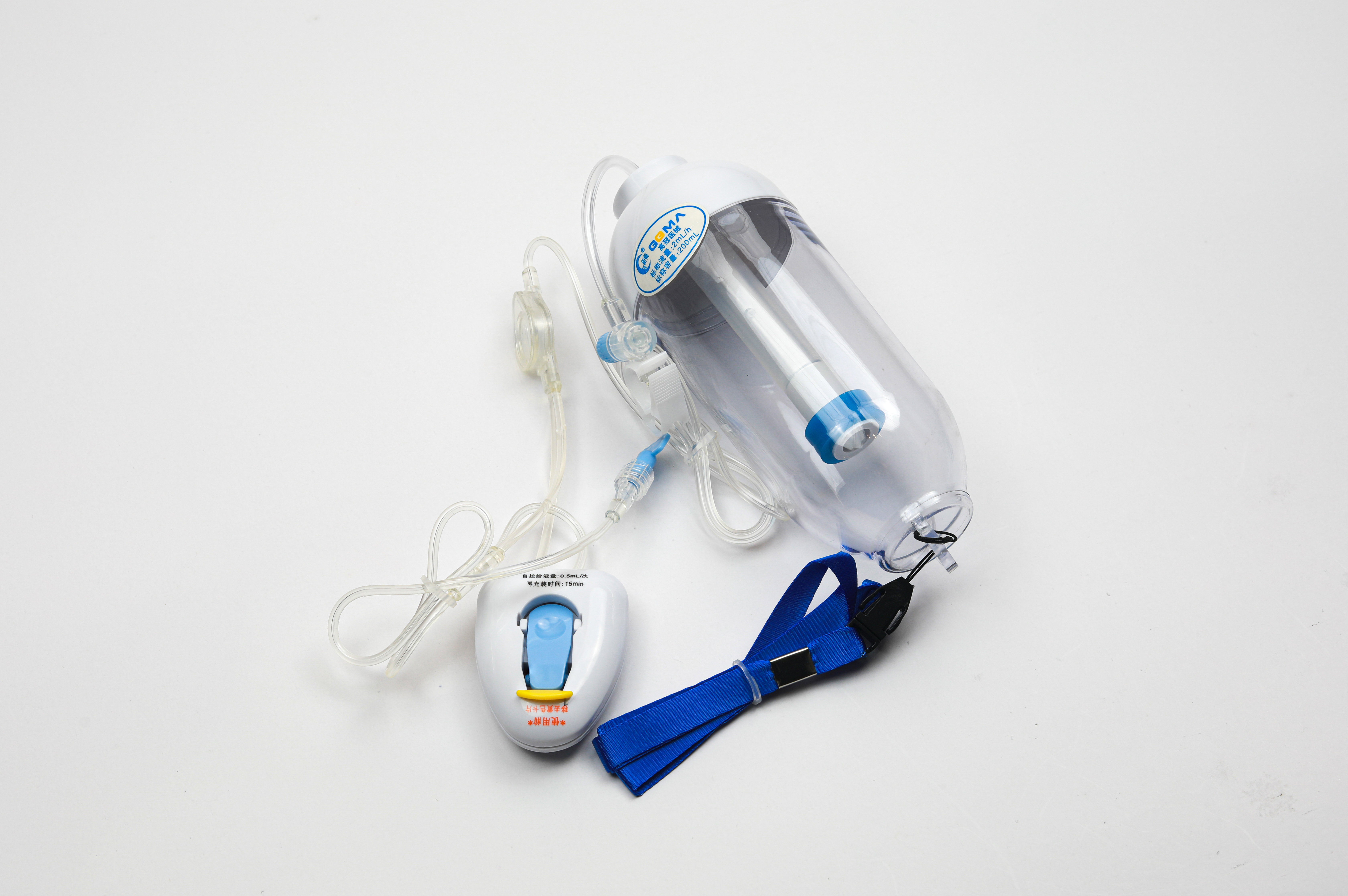
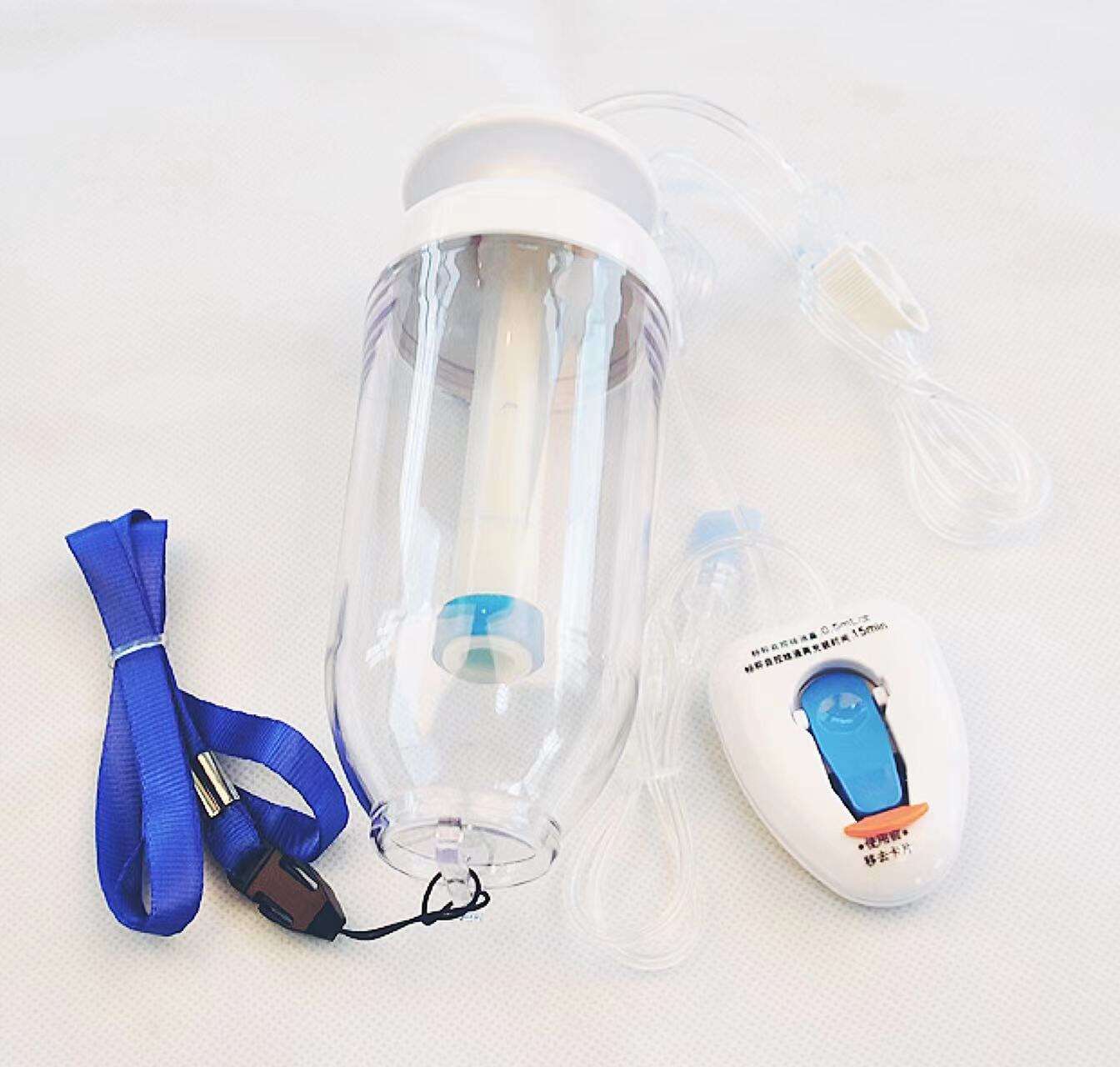
Umfassende Sicherheitssysteme für hervorragende Risikominderung
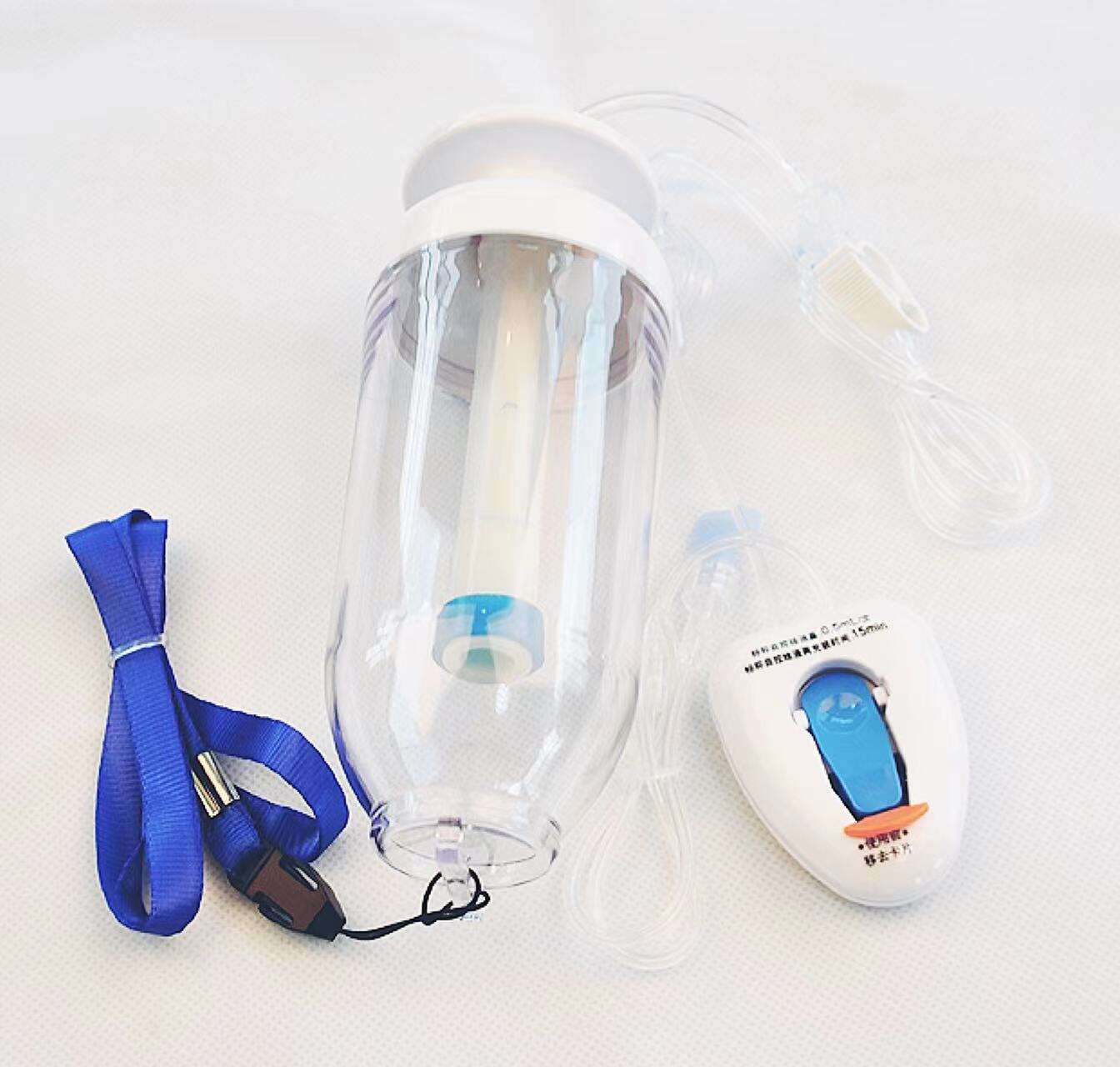
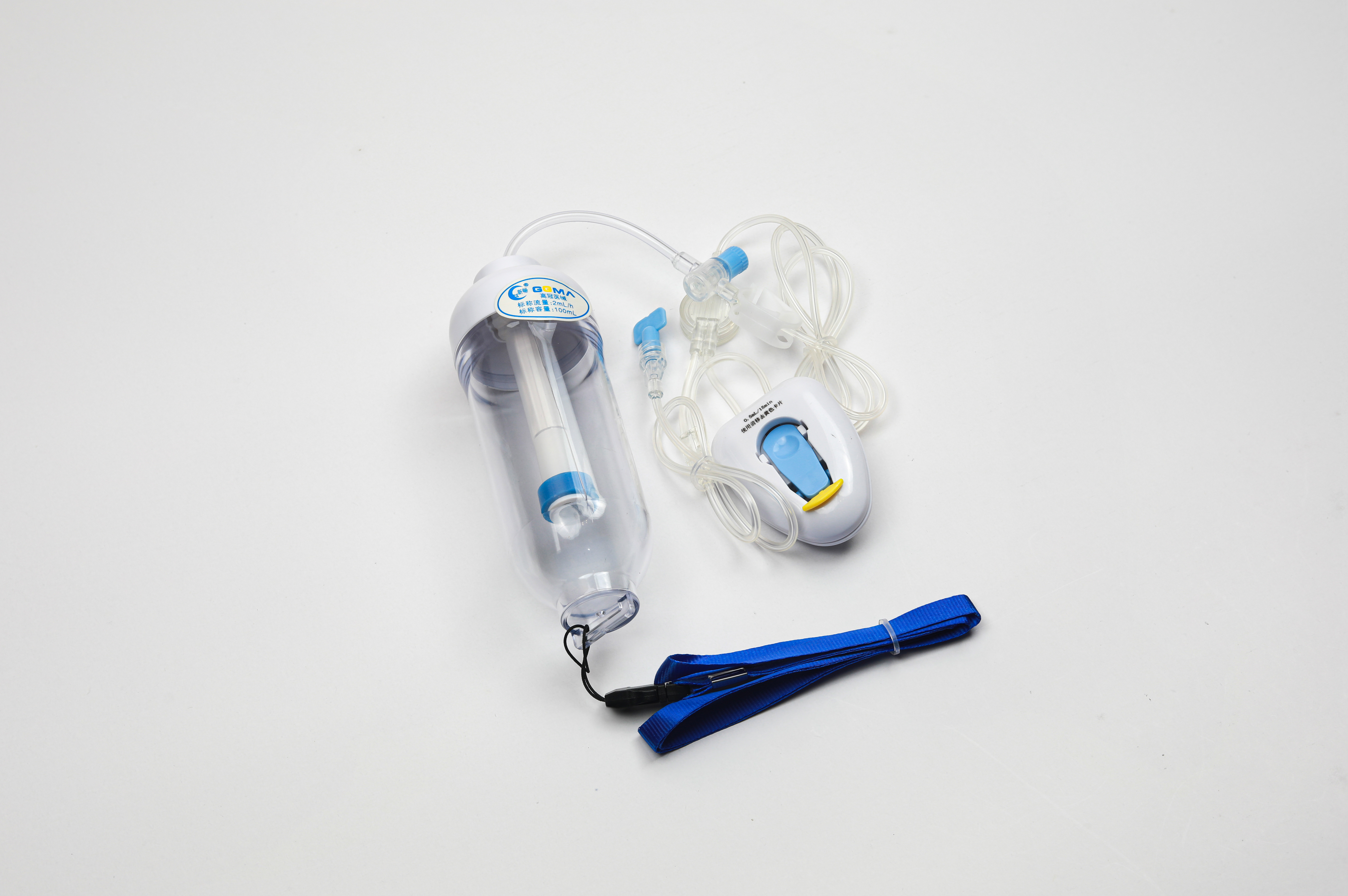
Die Arten von medizinischen Pumpen umfassen umfassende Sicherheitssysteme, die darauf ausgelegt sind, klinische Risiken zu verringern und Patienten vor möglichen Nebenwirkungen im Zusammenhang mit der Verabreichung von Flüssigkeiten und Medikamenten zu schützen. Diese mehrschichtigen Sicherheitsarchitekturen kombinieren Hardware-Schutzmechanismen mit intelligenten Software-Algorithmen, die den Infusionsprozess kontinuierlich überwachen und bei gefährlichen Zuständen eingreifen. Luft-in-Leitung-Erkennungssysteme nutzen Ultraschallsensoren, um mikroskopisch kleine Luftblasen zu identifizieren, bevor sie in den Blutkreislauf des Patienten gelangen, stoppen automatisch die Infusion und warnen das klinische Personal vor möglichen Embolierisiken durch Luft. Diese Erkennungssysteme weisen eine Empfindlichkeit auf, die es ermöglicht, Luftmengen im Mikroliterbereich zu detektieren, und bieten so Schutz sowohl vor größeren Luftbolusmengen als auch vor der kumulativen Ansammlung von Mikroblasen, die die Patientensicherheit beeinträchtigen könnten. Okklusions-Erkennungssysteme überwachen Druckänderungen entlang des Infusionswegs und identifizieren stromabwärts gelegene Blockaden, die Infiltrationen verursachen könnten, oder stromaufwärts liegende Einschränkungen, die Luft in das System eindringen lassen könnten. Die Sicherheitssysteme unterscheiden zwischen vorübergehenden Druckschwankungen, die durch Patientenbewegungen verursacht werden, und echten Okklusionen, die klinisches Eingreifen erfordern, wodurch Fehlalarme reduziert werden, während gleichzeitig ein empfindlicher Schutz gewährleistet bleibt. Akku-Notstromsysteme stellen einen kontinuierlichen Betrieb während Stromausfällen oder beim Transport des Geräts sicher und verfügen über mehrere Batteriezellen, die eine verlängerte Laufzeit für die kritische Medikamentenverabreichung bieten. Diese Notstromsysteme beinhalten Warnungen bei niedrigem Batteriestand sowie automatische Energiesparmodi, die die Betriebszeit in Notfallsituationen verlängern. Systeme zur Überprüfung der Medikamentendosierung vergleichen programmierte Parameter mit etablierten Dosierungsvorgaben und warnen medizinisches Fachpersonal vor potenziell gefährlichen Dosierungsfehlern, bevor die Verabreichung beginnt. Zu diesen Überprüfungsprozessen gehören gewichtsbasierte Berechnungen für pädiatrische Patienten, Konzentrationskontrollen für risikobehaftete Medikamente und Dosiswarnungen für Medikamente mit engem therapeutischem Fenster. Die Arten von medizinischen Pumpen mit umfassenden Sicherheitssystemen verfügen über manipulationssichere Programmierschnittstellen, die unbefugte Parameteränderungen verhindern, gleichzeitig aber eine benutzerfreundliche Bedienung für qualifiziertes medizinisches Personal ermöglichen. Zugriffskontrollsysteme erfordern eine ordnungsgemäße Authentifizierung, bevor kritische Parameter geändert werden können, und erstellen Audit-Trails, die alle Programmieränderungen und Benutzeridentifikationen dokumentieren. Redundante Alarmsysteme stellen sicher, dass medizinisches Personal unverzüglich über Sicherheitsvorfälle informiert wird, und nutzen dabei mehrere Kommunikationskanäle, darunter akustische Signale, optische Anzeigen sowie integrierte Kommunikationssysteme, die Alarme an mobile Geräte und zentrale Überwachungsstationen weiterleiten.
 EN
EN