Жақсартылған клиникалық дәлдік үшін дәлме-дәл инженерия
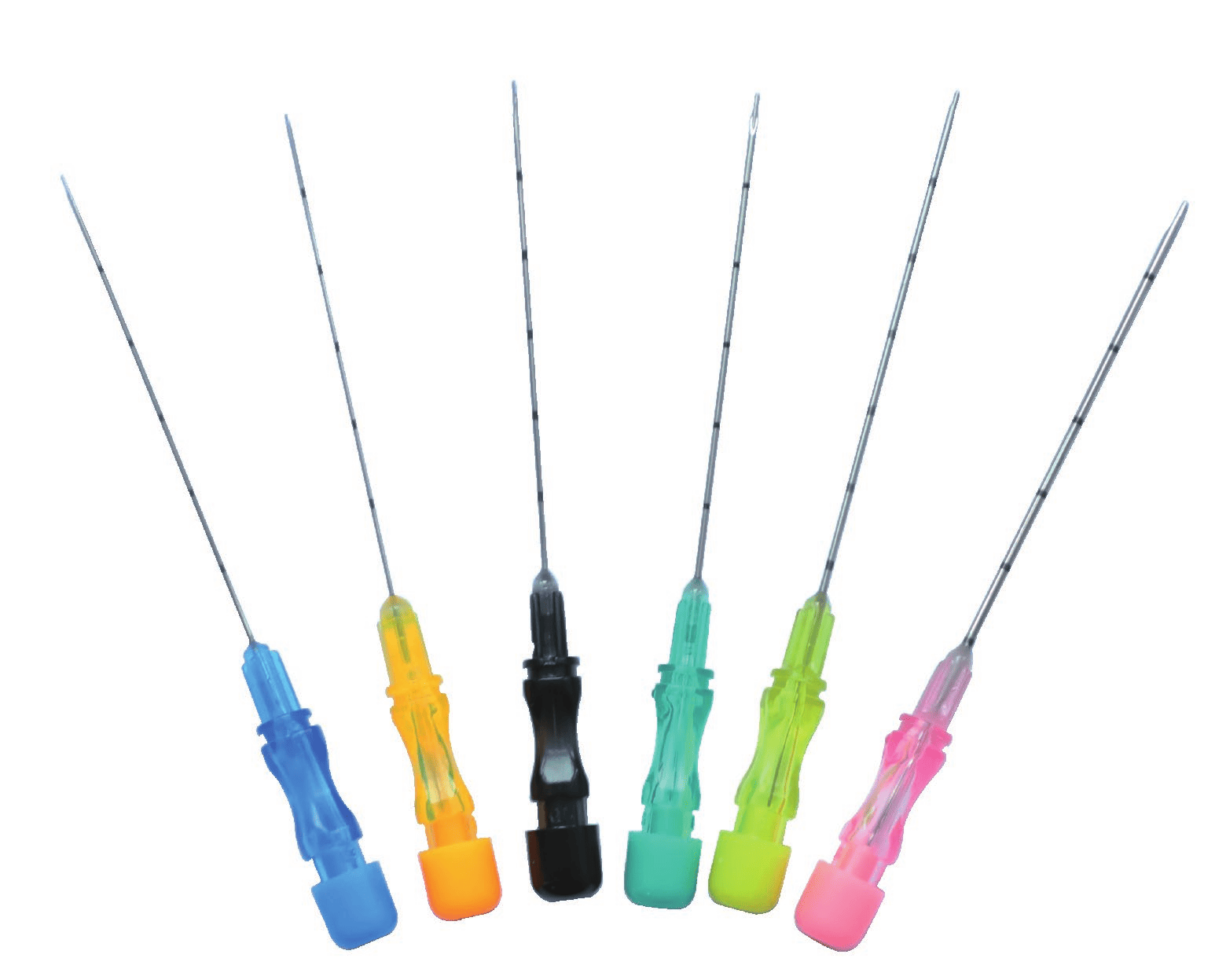
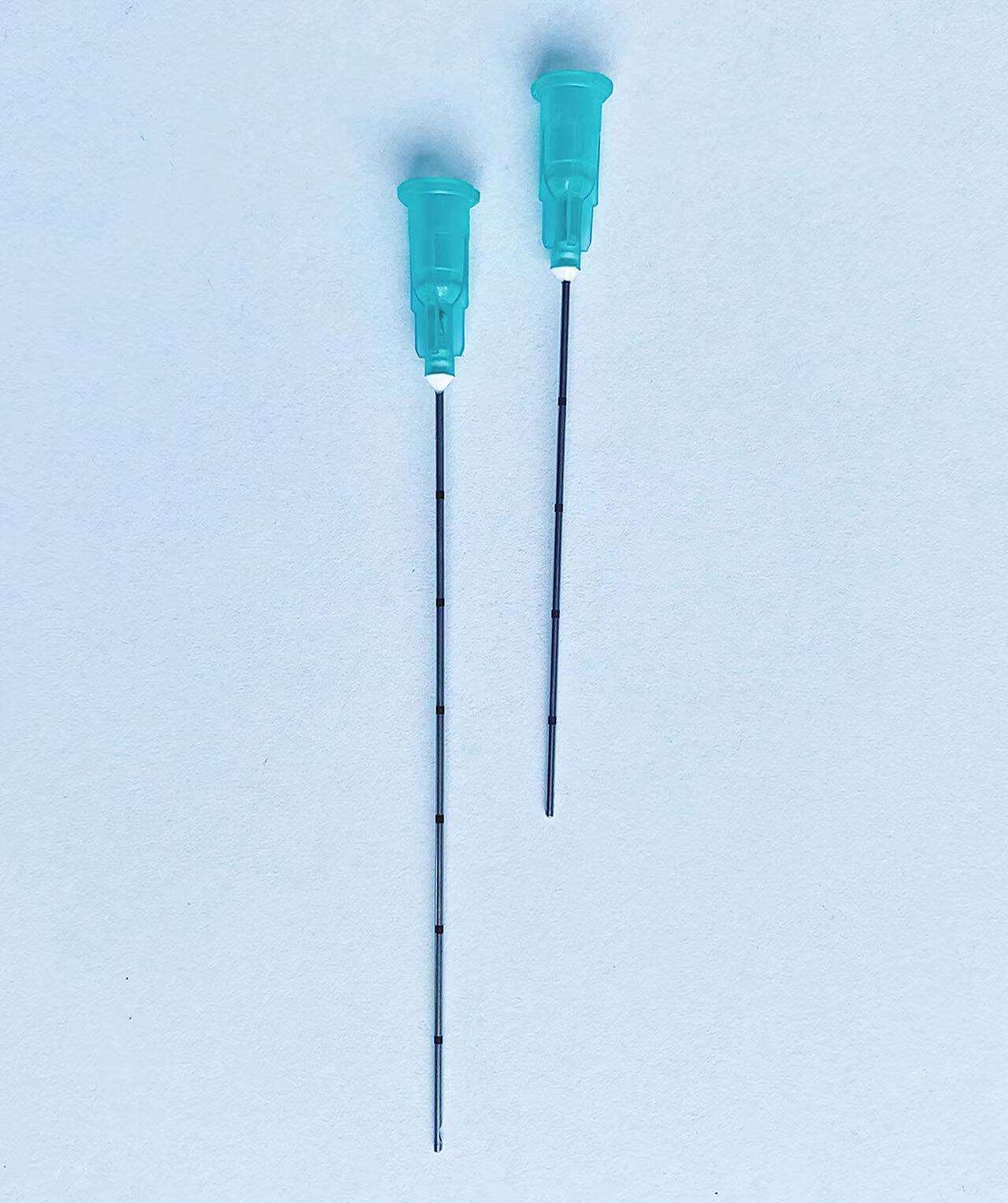
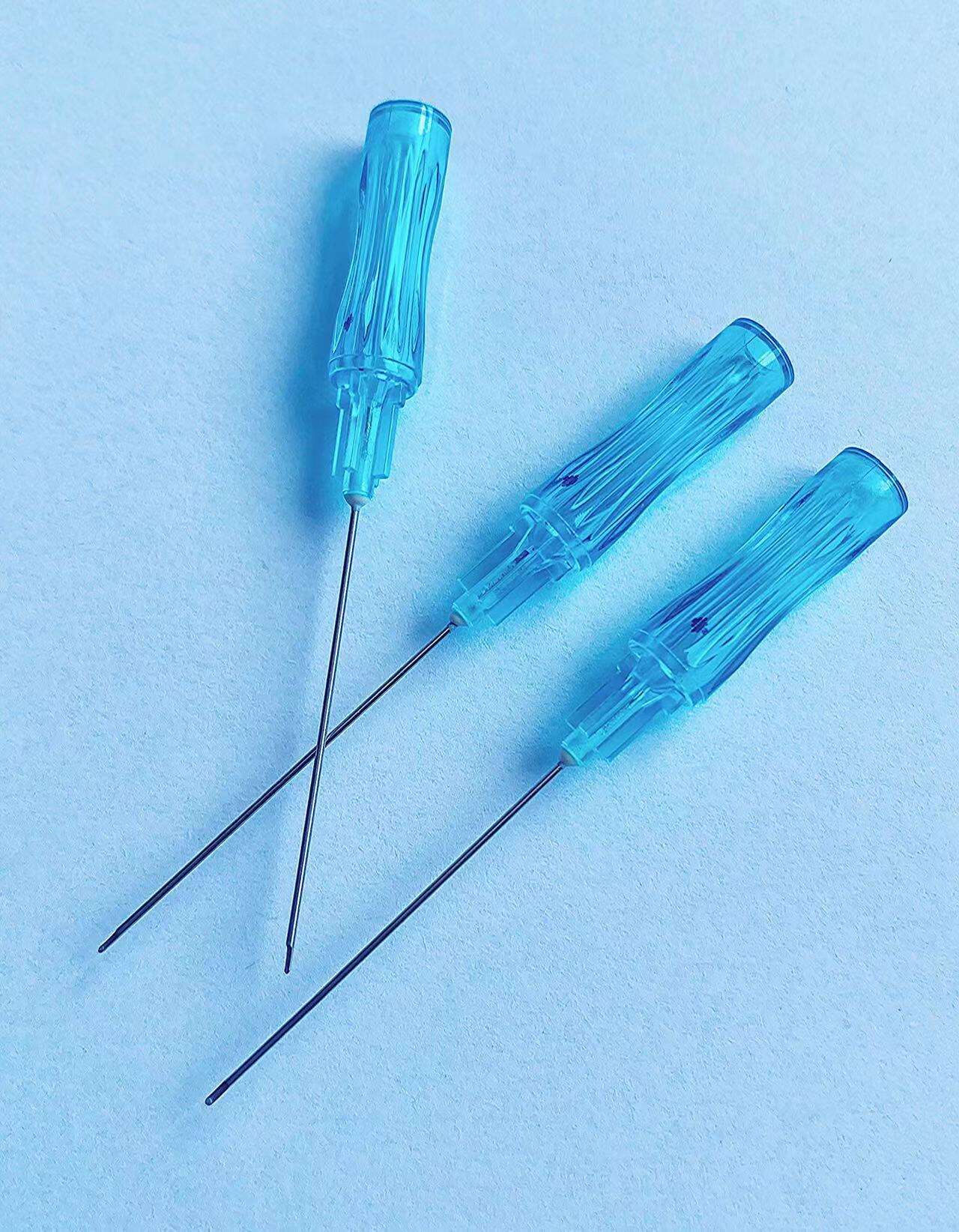
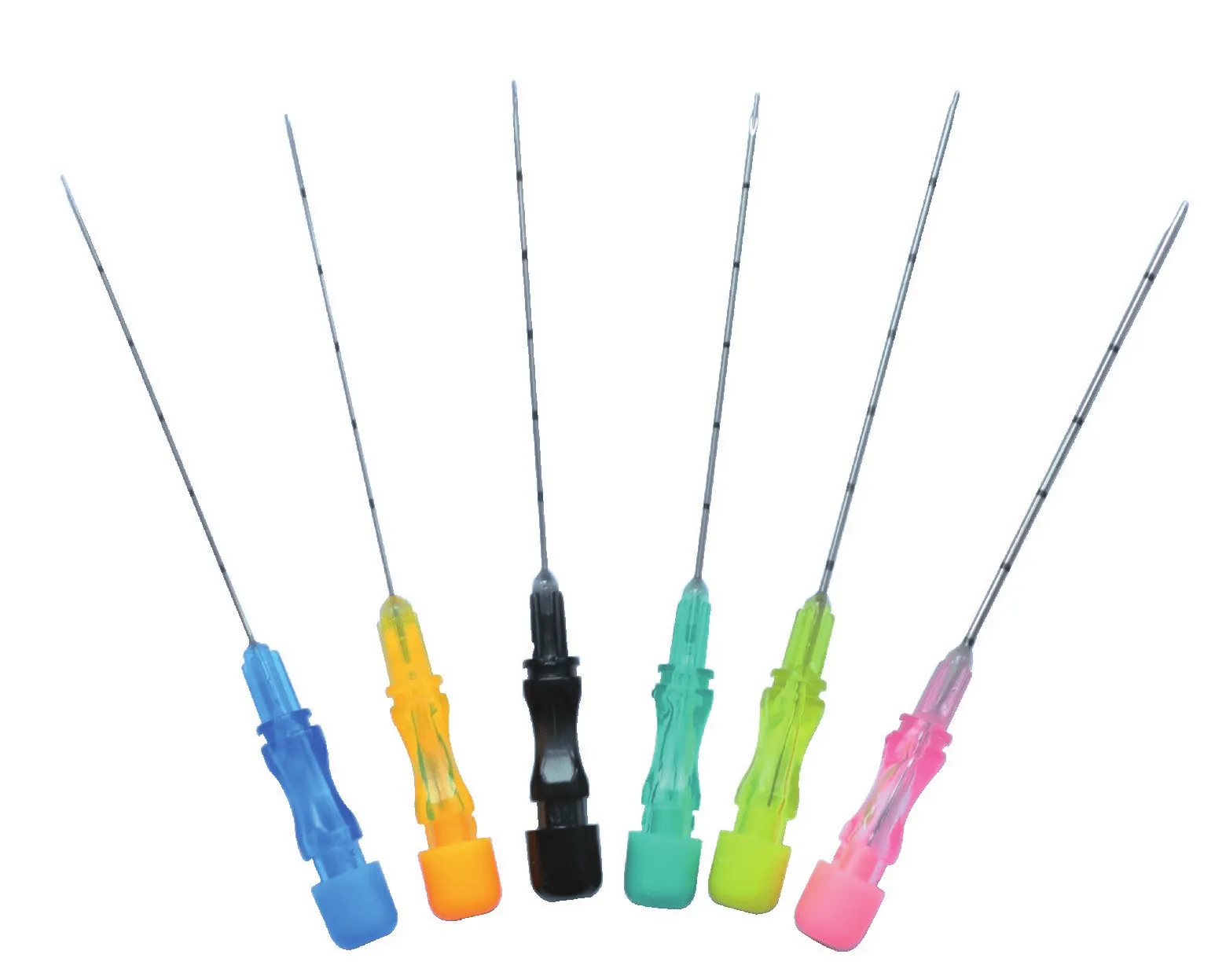
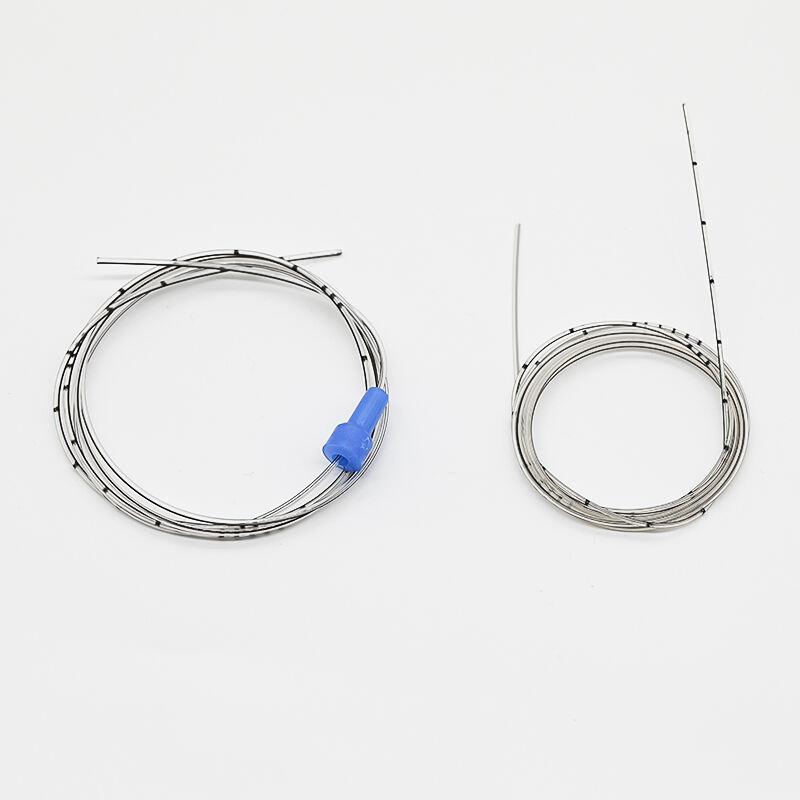
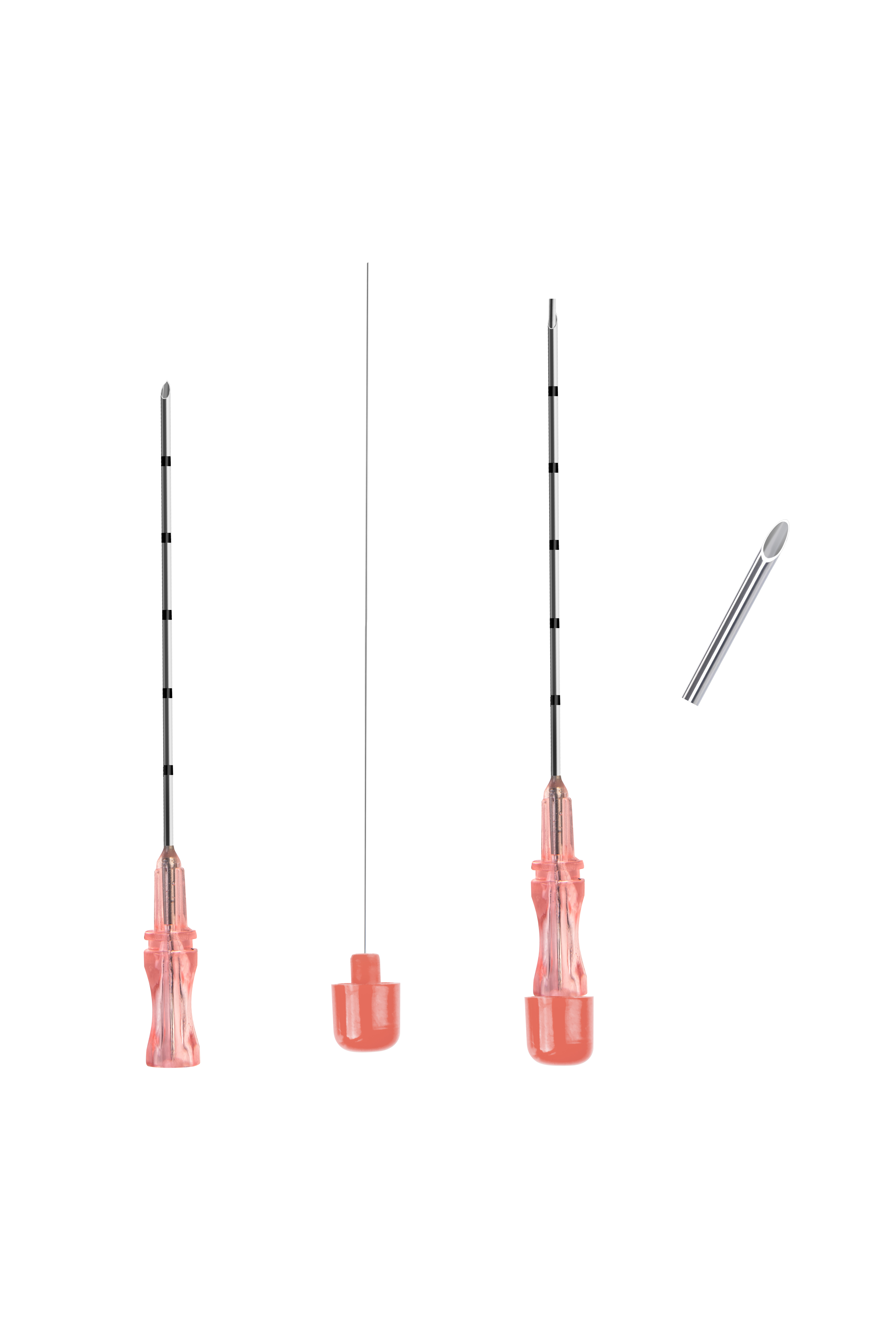
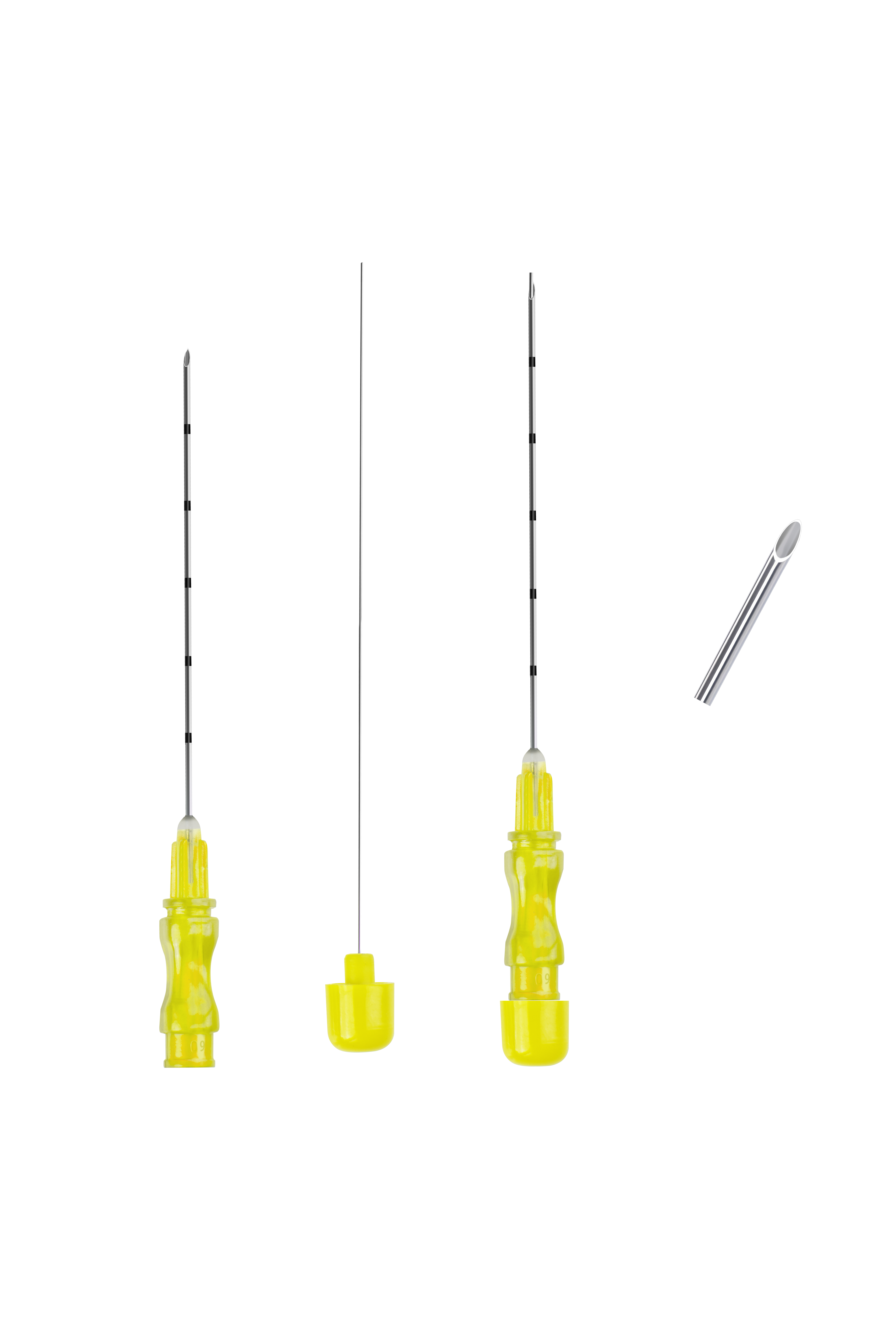
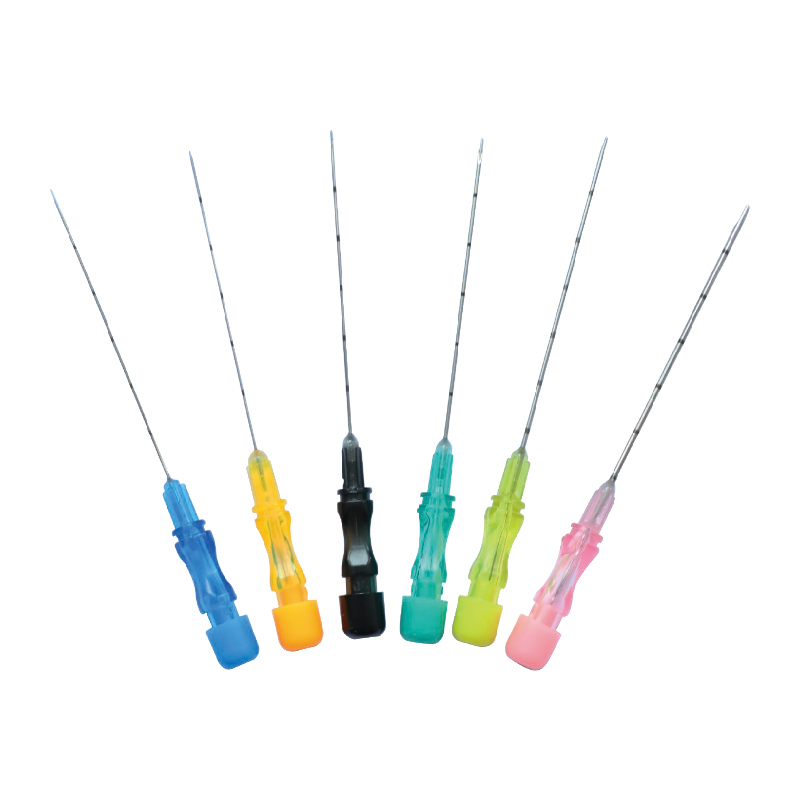
Имплантациялық ине дәлдікті инженерияның ең жоғарғы деңгейін білдіреді және клиникалық дәлдікті, сондай-ақ емдеу сәттілігінің көрсеткіштерін айтарлықтай арттыратын алдыңғы қатарлы конструкциялық элементтерді қамтиды. Инаның мұқият есептелген ұшының геометриясы тіндерді тесуді оңтайландырып, инені енгізген кезде ауытқуды минималдандыратын нақты бұрыштар мен фаскаларды пайдаланады. Бұл дәлме-дәл инженерия имплантациялық иненің берілген траекториясын ұстануын қамтамасыз етеді және мақсатты тіндерді қате түрде қамту немесе кездейсоқ жанама құрылымдарға зақым келтірудің ықтималдығын азайтады. Инаның саптық бөлігі микрондық дәлдікті қамтиды, бұл қалыпты пайдалану шарттарында түзу болып қалуын және иілуін болдырмауын қамтамасыз етеді, терең тіндерге арналған емдеу процедуралары кезінде дәлдікті сақтау үшін маңызды фактор. Алдыңғы қатарлы өндірістік процестер имплантациялық иненің ұзындығы бойынша қабырғасының біркелкі қалыңдығын сақтауын қамтамасыз етеді, бұл қолдану кезінде құрылымдық бүтіндікті бұзуы мүмкін нүктелерді болдырмауға мүмкіндік береді. Инаның қосылу интерфейсі шприцтермен және басқа да медициналық құрылғылармен мықты, ағынбайтын қосылыстарды қамтамасыз ететін дәл орамдар немесе блоктау механизмдерін қамтиды, процедуралар кезінде сынаманың ластануын немесе дәрілердің жоғалуын болдырмау үшін. Имплантациялық иненің өлшемдік дәлдігі биопсиялық қысқыштар, аспирациялық құрылғылар және әртүрлі медициналық мамандықтарда қолданылатын инъекциялық жүйелерді қоса алғанда, стандартты медициналық жабдықтармен сенімді үйлесімділікті қамтамасыз етеді. Имплантациялық инені өндіру процесіне қолданылатын инженерлік дәлдік шектері өндірістің әрбір партиясында біркелкі жұмыс сипаттамаларын қамтамасыз етеді, денсаулық сақтау мамандарына болжанатын және сенімді құрал-жабдықтарды ұсынады. Сапа қамсыздандыру протоколдары әрбір имплантациялық иненің ұзындығы, диаметрі және ұшының конфигурациясы бойынша дәл техникалық талаптарға сай келетінін тексереді, процедураның нәтижесіне әсер етуі мүмкін айырмашылықтарды жояды. Дәлме-дәл инженерия иненің белгілеу жүйелеріне дейін жетеді, бұл медициналық қызметкерлердің процедуралар кезінде дәл орындауына көмектесетін дәл тереңдік көрсеткіштері мен бағдарлау сілтемелерін ұсынады. Компьютерлік көмектесетін дизайн мен өндіріс процестері имплантациялық иненің құрылымдық қасиеттерін оңтайландырады, әртүрлі клиникалық қолданыстар үшін оптималды ұстау сипаттамаларын қамтамасыз ету үшін икемділікті қаттылықпен теңгереді. Имплантациялық иненің инженерлік үздіксіздігі тұрақты сынама жинау сапасын қамтамасыз ету арқылы диагностикалық дәлдікті жақсартады және патологиялық талдауға кедергі келтіруі мүмкін артефакттарды азайтады.
 EN
EN