 EN
EN

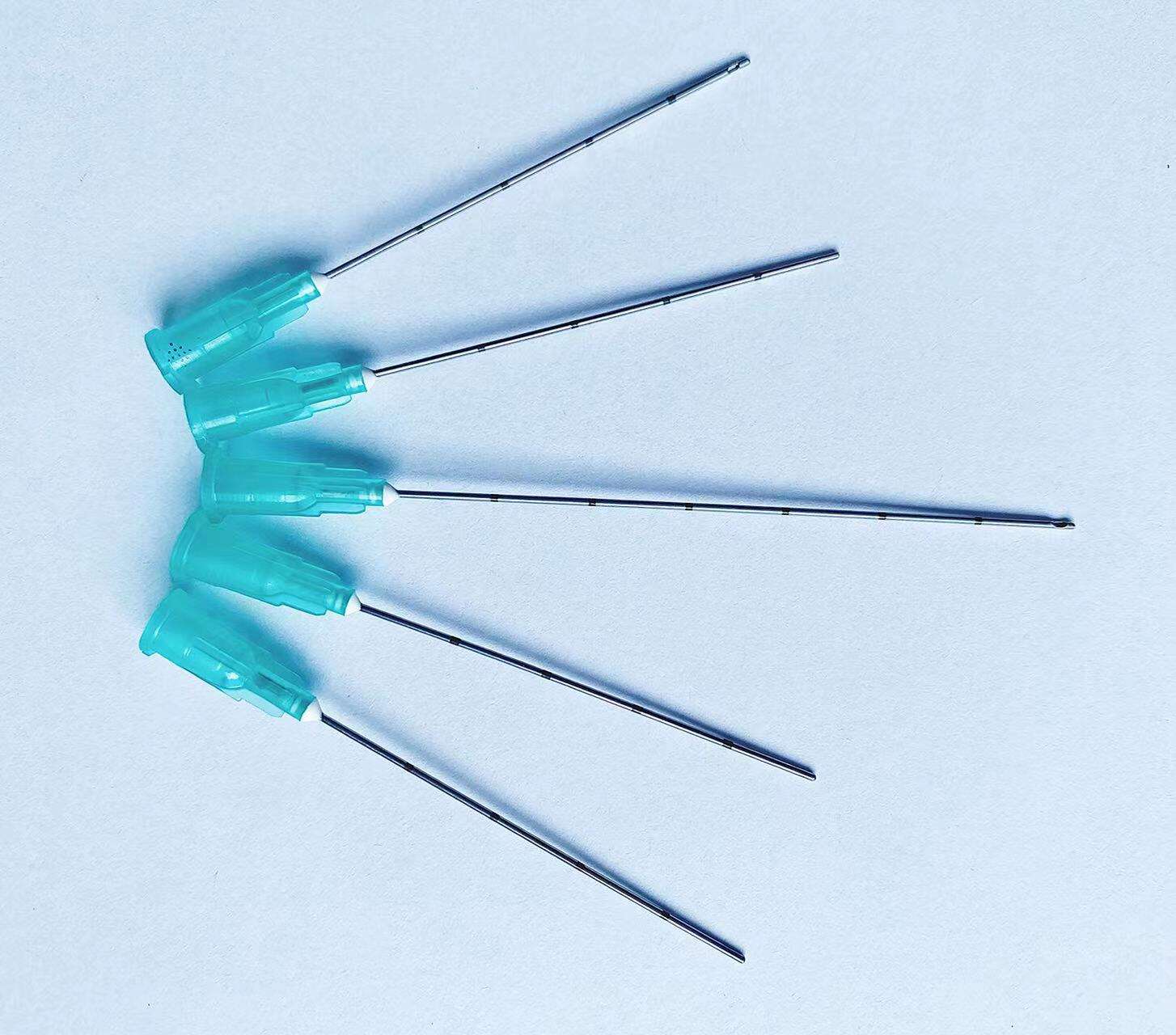
Medical and aesthetic professionals are increasingly turning to innovative injection techniques that prioritize patient comfort and safety. Among these advancing technologies, the micro cannula has emerged as a revolutionary tool that transforms traditional injection procedures. This flexible, blunt-tipped device offers superior precision while minimizing tissue trauma compared to conventional sharp needles. Healthcare practitioners worldwide are discovering how micro cannula technology enhances treatment outcomes while reducing patient discomfort and recovery time.
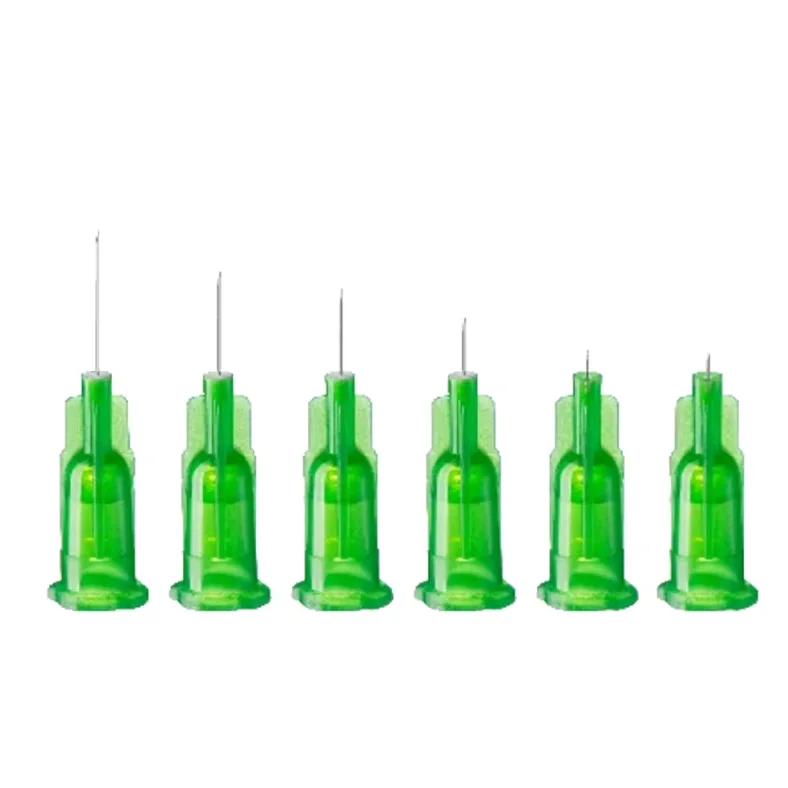
Understanding Micro Cannula Technology
Design and Construction Features
The micro cannula represents a significant advancement in injection technology, featuring a unique blunt-tip design that distinguishes it from traditional sharp needles. This specialized medical device typically measures between 25 to 34 gauge, with the micro cannula diameter specifically engineered to minimize tissue disruption while maintaining optimal flow rates. The flexible construction allows practitioners to navigate through tissue planes smoothly, reducing the risk of vascular puncture and nerve damage during procedures.
Manufacturing standards for micro cannula devices require precise engineering to achieve the perfect balance between flexibility and structural integrity. The cannula walls are constructed with medical-grade materials that ensure biocompatibility while maintaining the strength necessary for accurate product delivery. Advanced micro cannula designs incorporate side ports strategically positioned to optimize fluid distribution and enhance treatment precision across various injection depths.
Material Science and Safety Standards
Quality micro cannula manufacturing involves rigorous material selection processes that prioritize patient safety and device performance. Stainless steel alloys commonly used in micro cannula construction undergo specialized treatments to achieve optimal flexibility without compromising sterility. These materials must meet stringent international medical device standards, ensuring that each micro cannula maintains consistent performance characteristics throughout its intended use cycle.
The surface treatment of micro cannula devices plays a crucial role in their clinical effectiveness. Specialized coatings reduce friction during tissue penetration while maintaining the smooth gliding action that makes micro cannula injections more comfortable for patients. Quality control measures throughout the manufacturing process ensure that every micro cannula meets precise dimensional tolerances and maintains sterility until point of use.
Clinical Advantages of Micro Cannula Injections
Reduced Patient Discomfort
Patient comfort represents one of the most significant advantages of micro cannula technology over traditional injection methods. The blunt tip design of a micro cannula creates less tissue trauma during insertion, resulting in substantially reduced pain levels during treatment procedures. Clinical studies consistently demonstrate that patients experience significantly less discomfort when practitioners utilize micro cannula techniques compared to conventional sharp needle injections.
The flexible nature of micro cannula devices allows practitioners to treat larger areas through a single insertion point, minimizing the number of punctures required per procedure. This approach not only reduces immediate discomfort but also decreases the psychological stress associated with multiple injection sites. Patients report higher satisfaction rates and increased willingness to undergo follow-up treatments when micro cannula technology is employed in their care protocols.
Enhanced Safety Profile
Safety considerations make micro cannula injections particularly valuable in aesthetic and therapeutic applications where precision is paramount. The blunt tip design significantly reduces the risk of accidental vascular penetration, a serious concern with traditional sharp needles. When practitioners use a micro cannula, the risk of intravascular injection decreases substantially, leading to fewer complications and improved patient outcomes.
The reduced bleeding associated with micro cannula procedures translates to decreased bruising and swelling in post-treatment recovery periods. This enhanced safety profile makes micro cannula technology particularly suitable for treating sensitive areas where traditional needles might pose higher risks. Healthcare providers appreciate the predictable outcomes and reduced complication rates that accompany micro cannula use in their clinical practice.
Applications Across Medical Specialties
Aesthetic Medicine and Dermatology
Aesthetic medicine has embraced micro cannula technology as a standard tool for delivering dermal fillers and other injectable treatments. The precise control offered by micro cannula devices allows practitioners to achieve more natural-looking results while minimizing visible injection sites. Dermatologists particularly value how micro cannula injections enable smooth product distribution across treatment areas without creating the lumps or irregularities sometimes associated with traditional needle techniques.
Facial rejuvenation procedures benefit significantly from micro cannula applications, as the flexible design allows practitioners to follow natural tissue planes and anatomical contours. The reduced trauma associated with micro cannula use means patients can return to normal activities more quickly, with less visible evidence of recent treatment. This advantage has made micro cannula injections increasingly popular among patients seeking discrete aesthetic enhancements with minimal downtime.
Pain Management and Therapeutic Injections
Pain management specialists have incorporated micro cannula technology into various therapeutic injection protocols, particularly for treating chronic pain conditions. The precise delivery capabilities of micro cannula devices enable targeted medication placement while minimizing surrounding tissue disruption. This approach proves especially valuable in delicate anatomical regions where traditional needles might cause additional trauma or complications.
Therapeutic applications of micro cannula technology extend to joint injections, trigger point treatments, and specialized pain management procedures. The reduced discomfort associated with micro cannula injections helps improve patient compliance with ongoing treatment protocols. Medical professionals report better treatment outcomes when using micro cannula techniques, as patients are more likely to complete prescribed injection series when procedures are less painful and traumatic.
Technical Considerations for Optimal Results
Proper Insertion Techniques
Successful micro cannula procedures require specialized insertion techniques that differ significantly from traditional needle protocols. Practitioners must first create an entry point using a sharp needle before introducing the micro cannula through this initial access site. The blunt tip design of the micro cannula then allows for smooth advancement through tissue planes without creating additional trauma or puncture sites.
Mastering micro cannula insertion angles and advancement techniques requires specific training and practice to achieve optimal results. The flexible nature of these devices demands different handling approaches compared to rigid needles, with practitioners learning to guide the micro cannula through gentle pressure and controlled movements. Proper technique ensures maximum benefit from the micro cannula design while maintaining patient safety and treatment effectiveness.
Product Selection and Sizing
Choosing the appropriate micro cannula specifications depends on multiple factors including treatment area, product viscosity, and desired injection depth. Different gauge sizes serve specific applications, with larger micro cannula devices suitable for thicker products and deeper injections, while smaller gauges work best for superficial treatments and low-viscosity substances. Understanding these relationships helps practitioners optimize their micro cannula selection for each specific procedure.
Length considerations for micro cannula selection directly impact treatment efficiency and patient comfort levels. Longer micro cannula devices enable practitioners to treat larger areas from fewer insertion points, while shorter options provide enhanced control in precise anatomical regions. Professional training programs emphasize how proper micro cannula sizing contributes to successful treatment outcomes and patient satisfaction across various medical applications.
Quality Standards and Regulatory Compliance
Manufacturing Excellence Requirements
Medical device regulations governing micro cannula production establish stringent quality standards that manufacturers must maintain throughout their production processes. These requirements ensure that every micro cannula meets precise specifications for dimensional accuracy, material integrity, and sterility assurance. Regulatory bodies worldwide recognize the importance of consistent micro cannula quality in maintaining patient safety and treatment effectiveness.
Quality assurance protocols for micro cannula manufacturing include comprehensive testing procedures that validate device performance characteristics. Each production batch undergoes rigorous evaluation to confirm that micro cannula devices meet established standards for flexibility, strength, and biocompatibility. These quality control measures provide healthcare practitioners with confidence in the reliability and safety of their micro cannula instruments.
Certification and Validation Processes
International certification standards for micro cannula devices require extensive documentation and validation testing to demonstrate safety and efficacy. Manufacturers must provide comprehensive data supporting their micro cannula designs, including biocompatibility studies, mechanical testing results, and clinical performance evaluations. These certification processes ensure that medical professionals receive micro cannula products that meet the highest safety and quality standards.
Ongoing validation requirements maintain micro cannula quality standards throughout the product lifecycle, with manufacturers conducting regular audits and performance monitoring. Healthcare facilities rely on these certification processes to ensure their micro cannula inventory meets regulatory requirements and maintains consistent quality standards. Proper documentation and traceability systems support quality assurance protocols while facilitating efficient inventory management for medical practices.
Cost-Effectiveness and Practice Benefits
Economic Advantages for Healthcare Practices
Implementing micro cannula technology in medical practices often results in significant economic advantages despite potentially higher initial device costs. The reduced complication rates associated with micro cannula use translate to decreased liability risks and fewer follow-up visits required to address adverse events. Healthcare practices report improved efficiency and patient throughput when incorporating micro cannula techniques into their standard protocols.
Patient satisfaction improvements linked to micro cannula procedures contribute to enhanced practice reputation and increased referral rates. The comfortable treatment experience provided by micro cannula technology encourages patient loyalty and reduces marketing costs associated with attracting new clients. Many practices find that the investment in quality micro cannula devices generates positive returns through improved patient retention and word-of-mouth recommendations.
Long-term Practice Development
Strategic adoption of micro cannula technology positions medical practices at the forefront of innovative injection techniques, attracting quality-conscious patients seeking advanced treatment options. Practitioners who master micro cannula procedures often develop specialized expertise that differentiates their services in competitive markets. This specialization can lead to increased procedure volumes and premium pricing opportunities for advanced micro cannula treatments.
Training investment in micro cannula techniques provides long-term benefits through enhanced practitioner skills and expanded treatment capabilities. Medical professionals who incorporate micro cannula technology report increased job satisfaction and professional confidence in their injection procedures. The versatility of micro cannula applications allows practices to expand their service offerings while maintaining high safety and quality standards across all treatments.
FAQ
What makes micro cannula injections safer than traditional needles?
Micro cannula devices feature blunt tips that significantly reduce the risk of vascular puncture and nerve damage compared to sharp needles. The flexible design allows practitioners to navigate around sensitive structures while the reduced tissue trauma results in less bleeding, bruising, and post-treatment complications. Clinical studies consistently demonstrate lower complication rates when healthcare providers utilize micro cannula technology in their injection procedures.
How does micro cannula technology improve patient comfort during procedures?
The blunt-tip design of micro cannula devices creates substantially less tissue trauma during insertion, resulting in significantly reduced pain levels for patients. Additionally, the flexible nature allows practitioners to treat larger areas through fewer insertion points, minimizing the total number of punctures required per procedure. Patients consistently report higher satisfaction levels and reduced anxiety when receiving micro cannula injections compared to traditional needle techniques.
Are there specific training requirements for using micro cannula devices?
Yes, proper micro cannula technique requires specialized training that differs from traditional needle injection methods. Practitioners must learn specific insertion techniques, proper handling of flexible devices, and appropriate sizing selection for different applications. Many manufacturers and professional organizations offer comprehensive training programs that cover micro cannula theory, hands-on technique development, and safety protocols essential for successful implementation.
What factors should practitioners consider when selecting micro cannula specifications?
Micro cannula selection depends on several key factors including treatment area size, product viscosity, desired injection depth, and patient anatomy. Gauge size affects both comfort and flow rate, while length determines treatment area coverage and insertion point requirements. Practitioners should consider their specific applications, patient demographics, and procedure goals when choosing optimal micro cannula specifications for their clinical practice.
Table of Contents
- Understanding Micro Cannula Technology
- Clinical Advantages of Micro Cannula Injections
- Applications Across Medical Specialties
- Technical Considerations for Optimal Results
- Quality Standards and Regulatory Compliance
- Cost-Effectiveness and Practice Benefits
-
FAQ
- What makes micro cannula injections safer than traditional needles?
- How does micro cannula technology improve patient comfort during procedures?
- Are there specific training requirements for using micro cannula devices?
- What factors should practitioners consider when selecting micro cannula specifications?