 EN
EN

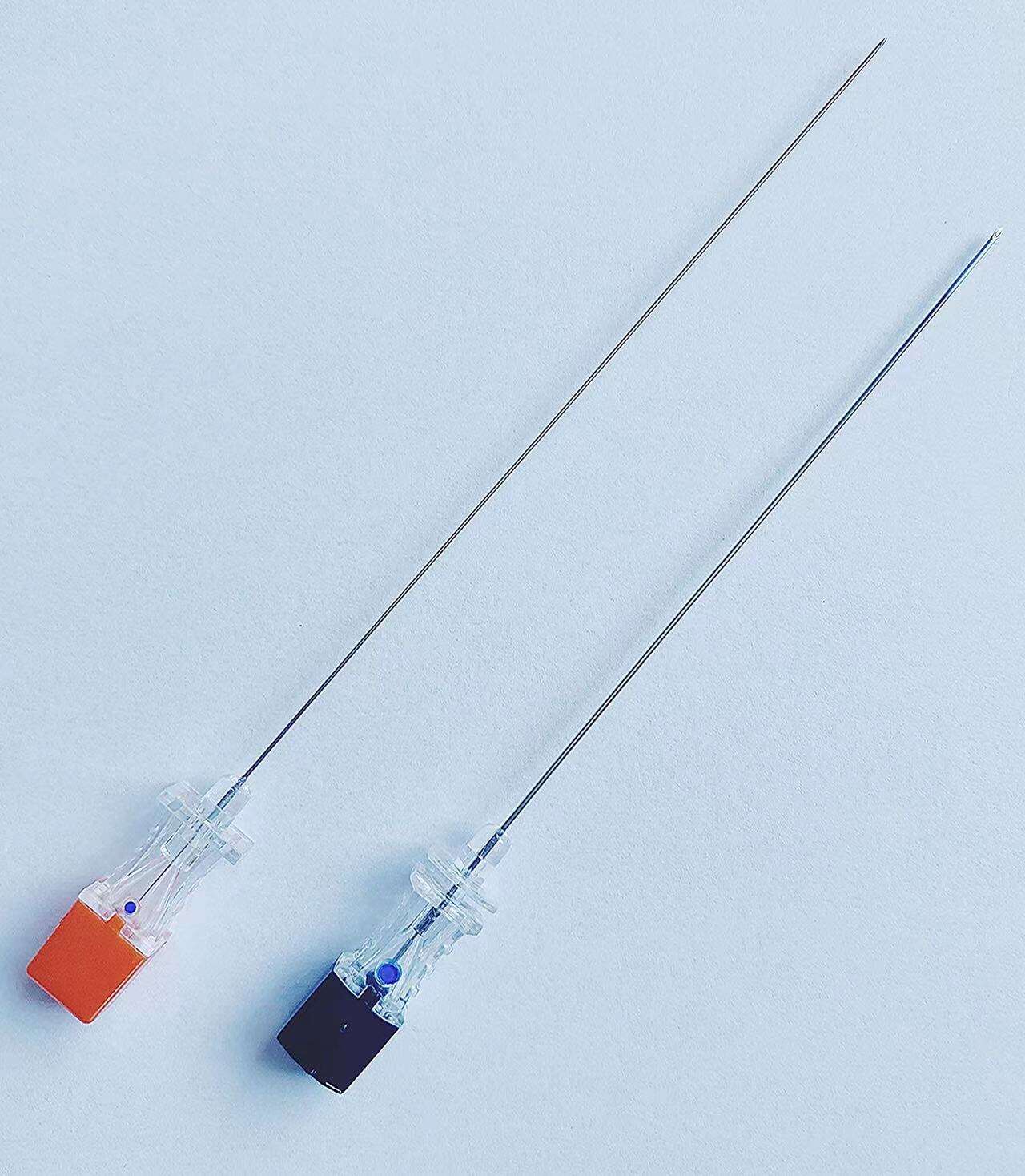
Maintaining proper sterile technique when using a lumbar puncture kit is essential for patient safety and successful cerebrospinal fluid collection. Healthcare professionals must understand the critical steps involved in preparing and executing this delicate procedure to prevent complications and ensure accurate diagnostic results. The implementation of rigorous sterile protocols significantly reduces the risk of infection and enhances patient outcomes during spinal fluid sampling procedures.
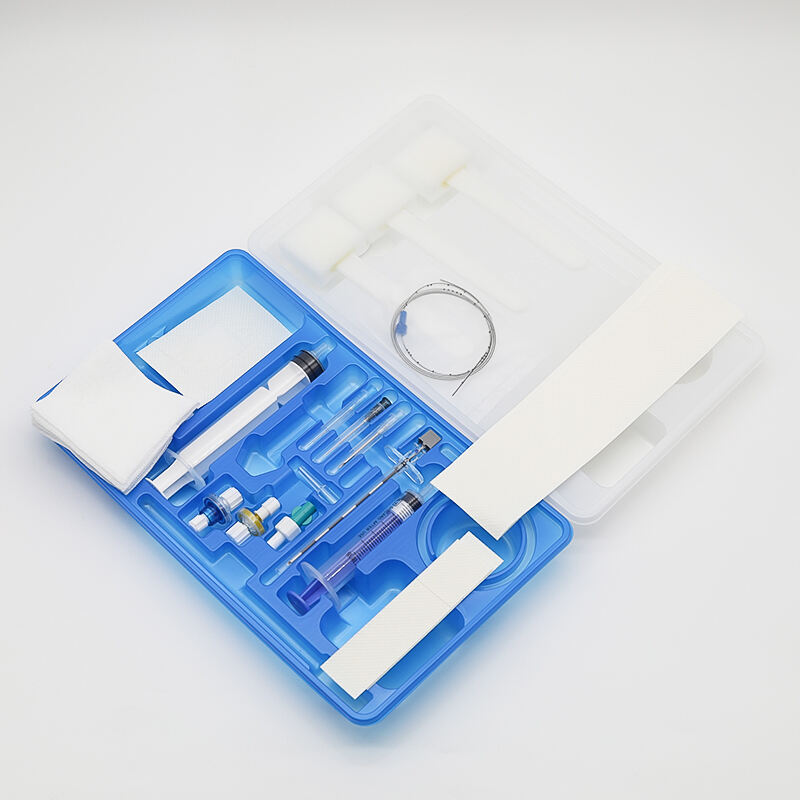
The sterile technique begins well before the actual needle insertion and continues throughout the entire procedure. Every component of the lumbar puncture kit requires careful handling to maintain aseptic conditions. From initial setup through final specimen collection, healthcare providers must adhere to established protocols that protect both patients and medical staff from potential contamination risks.
Essential Preparation Steps for Sterile Lumbar Puncture
Pre-Procedure Environment Setup
Creating an optimal sterile environment begins with proper room preparation and equipment organization. The procedure room must be thoroughly cleaned and disinfected before bringing in the lumbar puncture kit components. All necessary supplies should be arranged within easy reach while maintaining sterile barriers between contaminated and clean areas.
Temperature control and adequate lighting play crucial roles in maintaining sterile conditions during the procedure. The room should be kept at a comfortable temperature to prevent excessive perspiration, which could compromise sterile technique. Bright, adjustable lighting ensures clear visualization of anatomical landmarks and helps maintain precision throughout the needle insertion process.
Personal Protective Equipment Requirements
Healthcare professionals must don appropriate personal protective equipment before opening any lumbar puncture kit components. This includes sterile gloves, surgical masks, protective eyewear, and sterile gowns when indicated. The sequence of putting on protective equipment follows specific protocols to prevent contamination of sterile surfaces.
Hand hygiene represents the foundation of infection prevention and must be performed immediately before gloving. Thorough handwashing with antimicrobial soap or alcohol-based hand sanitizer eliminates transient microorganisms that could compromise the sterile field. Proper hand preparation takes at least twenty seconds and includes cleaning under fingernails and between fingers.
Sterile Field Establishment and Maintenance
Creating the Initial Sterile Barrier
Establishing a sterile field requires careful placement of sterile drapes around the puncture site. The lumbar puncture kit typically includes fenestrated drapes designed specifically for spinal procedures. These drapes create a barrier between the sterile work area and the surrounding environment while providing access to the injection site.
The sterile field extends beyond the immediate puncture area to include instrument placement zones and specimen collection areas. All items placed within this field must maintain sterility throughout the procedure. Any breach of the sterile field requires immediate correction and potential replacement of contaminated items from the lumbar puncture kit.
Instrument Handling Protocols
Each instrument within the lumbar puncture kit requires specific handling techniques to maintain sterility. Needles, syringes, and collection tubes must be removed from packaging using sterile technique and placed on designated sterile surfaces. The spinal needle represents the most critical component and requires particularly careful handling to prevent contamination of the tip or shaft.
Instruments should be arranged in order of use to minimize reaching across the sterile field during the procedure. This systematic approach reduces the risk of inadvertent contamination and promotes smooth workflow progression. Any instrument that contacts non-sterile surfaces must be considered contaminated and replaced before proceeding.
Patient Positioning and Site Preparation
Optimal Patient Positioning Techniques
Proper patient positioning facilitates accurate needle placement while maintaining sterile technique throughout the procedure. The lateral decubitus position with knees drawn toward the chest opens the intervertebral spaces and provides optimal access for lumbar puncture kit utilization. Alternative positioning includes the sitting position for patients who cannot tolerate lateral positioning.
Patient comfort during positioning directly impacts the success of maintaining sterile technique. Anxious or uncomfortable patients may move unexpectedly, potentially compromising the sterile field or needle placement accuracy. Clear communication about positioning requirements and expected sensations helps patients remain still during the procedure.
Anatomical Landmark Identification
Accurate identification of anatomical landmarks ensures safe needle insertion while maintaining sterile conditions. The L3-L4 or L4-L5 intervertebral spaces represent the preferred puncture sites for routine lumbar puncture procedures. Palpation for landmark identification must be performed before establishing the sterile field to avoid contamination.
Once landmarks are identified, the puncture site requires thorough cleansing with antiseptic solution. The preparation area should extend well beyond the anticipated puncture site to accommodate any necessary repositioning during the procedure. Multiple applications of antiseptic solution may be required depending on institutional protocols and patient-specific factors.
Needle Insertion and Fluid Collection Procedures
Sterile Needle Advancement Technique
The needle insertion process demands meticulous attention to sterile technique while advancing through tissue layers. The spinal needle from the lumbar puncture kit must be handled only by the hub to prevent contamination of the insertion portion. Steady, controlled advancement reduces tissue trauma and maintains precise needle trajectory toward the subarachnoid space.
Resistance changes during needle advancement indicate progression through different anatomical structures. The healthcare provider must maintain sterile technique while making subtle adjustments to needle angle or depth based on tactile feedback. Any resistance suggesting needle deviation requires careful repositioning without compromising sterile barriers.
Cerebrospinal Fluid Collection Methods
Once cerebrospinal fluid flow is established, collection must proceed using sterile technique to prevent specimen contamination. The lumbar puncture kit includes sterile collection tubes numbered in sequence for different laboratory analyses. Proper filling order ensures accurate test results and prevents cross-contamination between specimens.
Opening pressure measurement, when indicated, requires additional sterile components including manometry equipment. The connection between the spinal needle and manometer must maintain sterile integrity throughout the pressure measurement process. Any air bubbles or fluid leaks can compromise both sterile technique and measurement accuracy.
Post-Procedure Sterile Protocols
Safe Needle Removal Procedures
Needle removal requires the same attention to sterile technique as insertion to prevent introduction of contaminants into the puncture tract. The withdrawal should be performed smoothly in a single motion while maintaining control of the needle hub. Immediate application of sterile gauze prevents fluid leakage and maintains hemostasis at the puncture site.
Disposal of used lumbar puncture kit components follows specific biohazard protocols to protect healthcare workers and environmental safety. Sharp instruments require immediate placement in designated sharps containers without recapping or manipulation. All contaminated materials must be disposed of according to institutional infection control policies.
Specimen Handling and Transportation
Collected cerebrospinal fluid specimens require careful handling to maintain sterility and preserve cellular elements for analysis. Each collection tube from the lumbar puncture kit should be labeled immediately with patient information and collection sequence. Proper labeling prevents specimen mix-ups and ensures accurate laboratory processing.
Transportation to the laboratory must occur promptly while maintaining appropriate temperature conditions. Some analyses require immediate processing, while others remain stable for limited periods at room temperature. Understanding specimen stability requirements helps healthcare providers prioritize transportation and processing schedules.
Quality Assurance and Infection Prevention
Sterile Technique Monitoring
Continuous monitoring of sterile technique throughout lumbar puncture procedures helps identify potential breaches before they compromise patient safety. Healthcare facilities should implement standardized checklists to verify compliance with sterile protocols at each procedural step. Regular auditing of lumbar puncture kit usage and sterile technique adherence supports quality improvement initiatives.
Training programs for healthcare providers should emphasize the critical nature of sterile technique in lumbar puncture procedures. Simulation-based training allows practitioners to practice sterile protocols in controlled environments before performing procedures on patients. Ongoing competency assessment ensures maintained proficiency in sterile technique applications.
Infection Prevention Strategies
Comprehensive infection prevention strategies extend beyond basic sterile technique to include environmental controls and post-procedure monitoring. Air filtration systems in procedure rooms help reduce airborne contaminants that could compromise sterile fields. Regular environmental cleaning and disinfection eliminate potential sources of nosocomial infections.
Patient monitoring for signs of infection following lumbar puncture procedures enables early detection and treatment of complications. Healthcare providers should educate patients about symptoms that warrant immediate medical attention, including fever, severe headache, or signs of meningitis. Prompt recognition and treatment of infections significantly improve patient outcomes.
Advanced Sterile Technique Considerations
Complex Case Management
Certain patient populations require modified sterile technique approaches when using lumbar puncture kit components. Patients with compromised immune systems need enhanced sterile precautions to prevent opportunistic infections. Previous spinal surgery or anatomical abnormalities may necessitate extended sterile preparation times and additional equipment.
Pediatric patients present unique challenges for maintaining sterile technique during lumbar puncture procedures. Smaller anatomy requires precise needle placement while managing patient movement and anxiety. Modified lumbar puncture kit components designed for pediatric use help accommodate smaller patient dimensions while maintaining sterile integrity.
Technology Integration
Modern lumbar puncture kit designs incorporate technological advances that enhance sterile technique maintenance. Pre-packaged sterile kits reduce the risk of contamination during setup by providing all necessary components in a single sterile package. Color-coded components help healthcare providers quickly identify correct instruments while maintaining focus on sterile protocols.
Imaging guidance systems may be integrated with lumbar puncture procedures to improve accuracy and reduce complications. When using imaging guidance, additional sterile precautions are necessary to accommodate equipment positioning and cable management. Sterile probe covers and careful draping techniques help maintain aseptic conditions during image-guided procedures.
FAQ
How often should lumbar puncture kit components be inspected for sterility
Lumbar puncture kit components should be inspected immediately before use for package integrity and sterility indicators. Any damaged packaging, expired dates, or compromised sterility indicators require replacement of the entire kit. Healthcare facilities should establish regular inventory rotation systems to ensure fresh supplies and prevent use of expired materials.
What should be done if sterile technique is accidentally breached during the procedure
If sterile technique is breached during lumbar puncture procedures, the contaminated items must be immediately replaced with sterile alternatives. Depending on the nature and extent of contamination, it may be necessary to restart the entire sterile setup process. Patient safety takes priority over procedural efficiency when sterile technique is compromised.
Can lumbar puncture kit components be resterilized if not used
Once a lumbar puncture kit package has been opened, even if components are not used, they cannot be resterilized for future use. Single-use medical devices are designed for one-time application and lose their sterility guarantee once packaging is breached. Unopened, intact packages can be stored according to manufacturer guidelines until their expiration dates.
What training is required for healthcare providers performing lumbar punctures
Healthcare providers must complete comprehensive training in sterile technique, anatomy, and lumbar puncture procedures before performing these procedures independently. Training should include hands-on practice with lumbar puncture kit components, simulation exercises, and supervised clinical experience. Ongoing competency assessment and continuing education help maintain proficiency and update providers on evolving best practices.
Table of Contents
- Essential Preparation Steps for Sterile Lumbar Puncture
- Sterile Field Establishment and Maintenance
- Patient Positioning and Site Preparation
- Needle Insertion and Fluid Collection Procedures
- Post-Procedure Sterile Protocols
- Quality Assurance and Infection Prevention
- Advanced Sterile Technique Considerations
-
FAQ
- How often should lumbar puncture kit components be inspected for sterility
- What should be done if sterile technique is accidentally breached during the procedure
- Can lumbar puncture kit components be resterilized if not used
- What training is required for healthcare providers performing lumbar punctures