 EN
EN

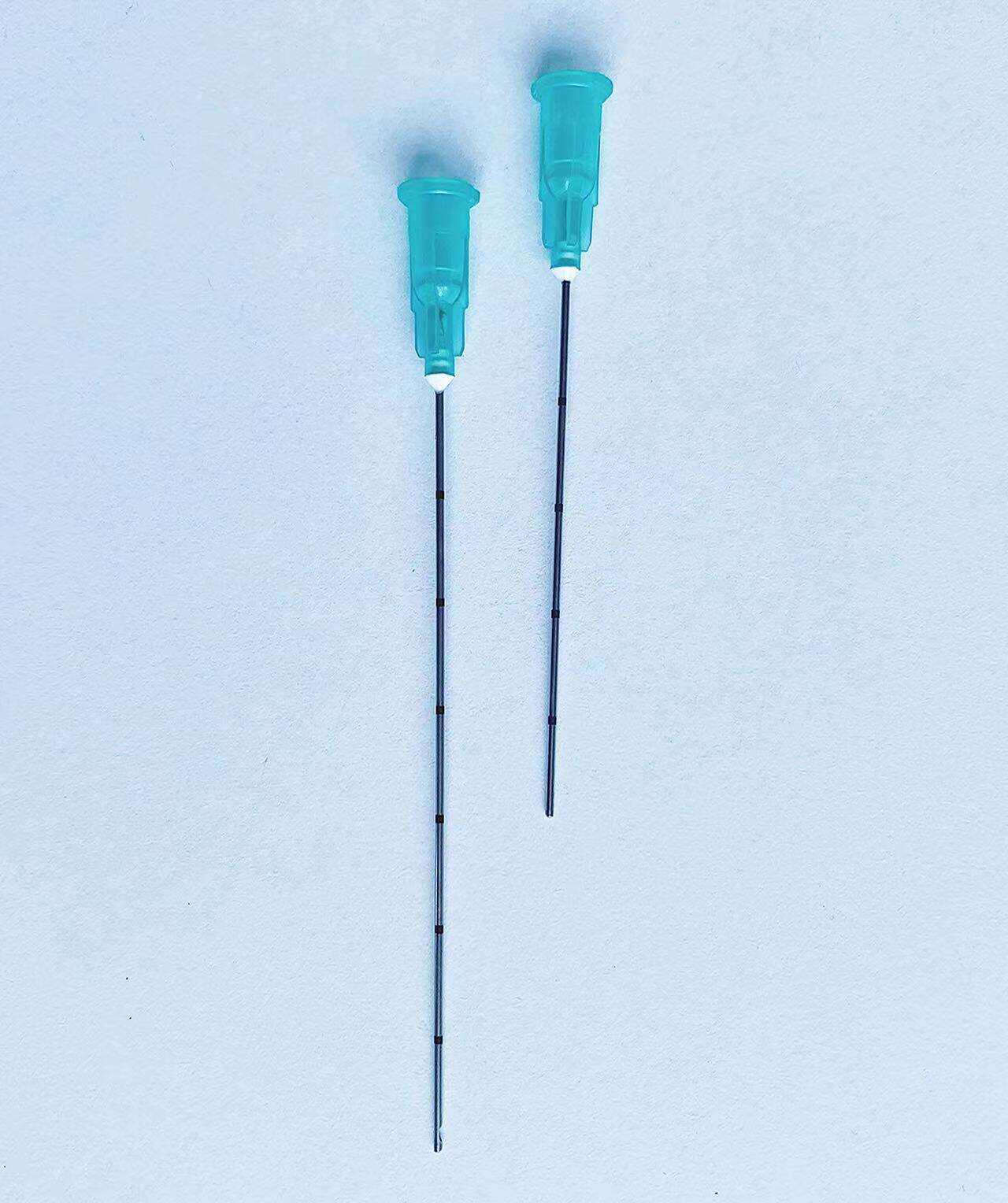
The aesthetic medicine industry has witnessed remarkable advancements in injection techniques and safety protocols over the past decade. Among the most significant innovations is the widespread adoption of specialized injection instruments designed to minimize patient discomfort and reduce complications. Healthcare professionals performing dermal filler procedures, botulinum toxin injections, and other minimally invasive treatments now rely heavily on precision instruments that prioritize both efficacy and patient safety. These developments have transformed the landscape of cosmetic procedures, making treatments more accessible while maintaining the highest standards of care.
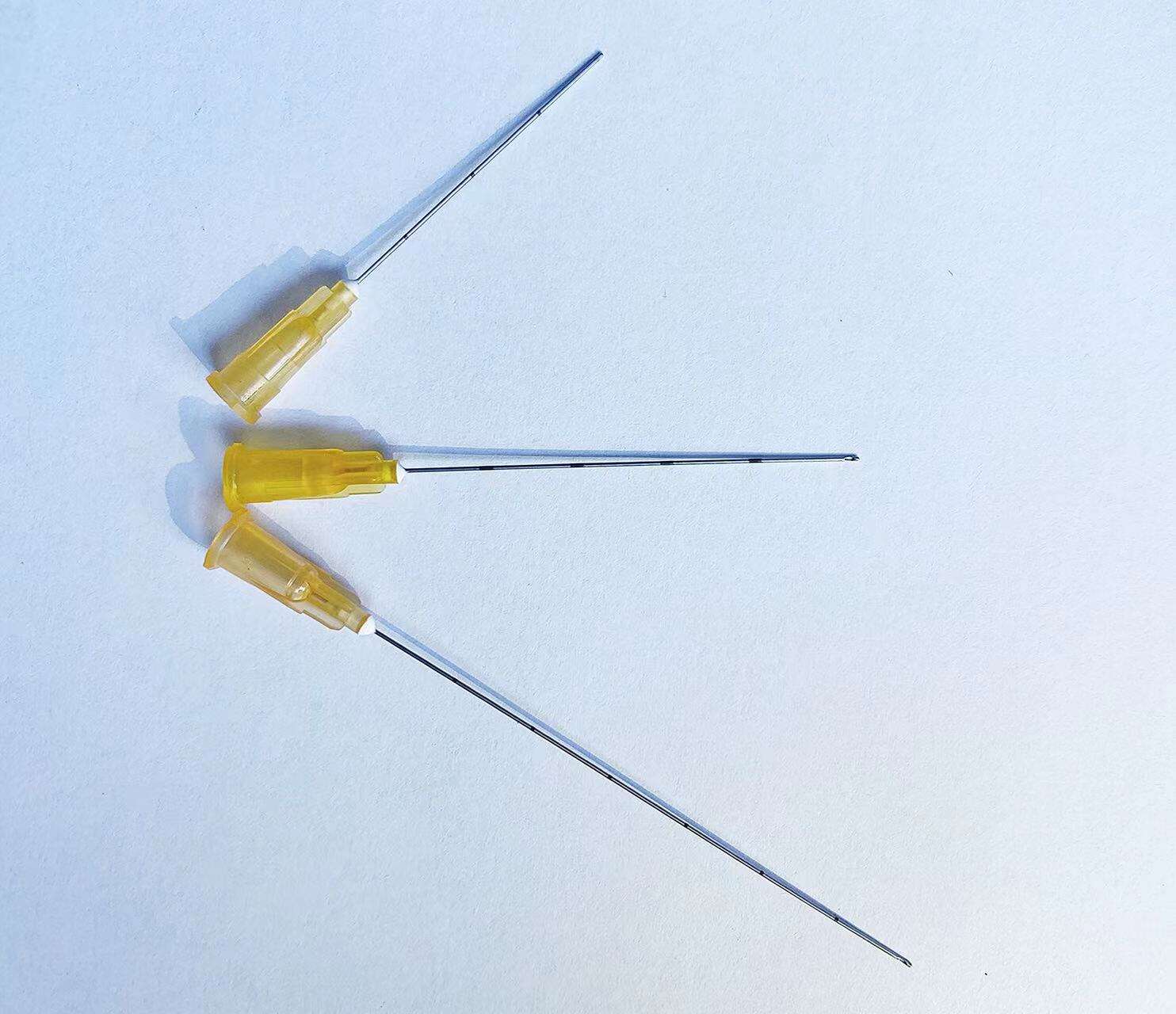
Understanding Blunt Tip Needle Technology
Design Principles and Construction
The fundamental design of a blunt tip needle differs significantly from traditional sharp needles used in medical applications. Instead of a pointed end that cuts through tissue, these specialized instruments feature a rounded, atraumatic tip that gently separates tissue layers without causing unnecessary trauma. This unique construction allows practitioners to navigate through facial anatomy with greater precision and safety. The manufacturing process involves precision engineering to ensure consistent tip geometry and optimal flexibility characteristics.
Modern blunt tip needle construction incorporates high-grade stainless steel or medical-grade materials that maintain structural integrity throughout the injection process. The wall thickness is carefully calibrated to provide adequate strength while maintaining the flexibility necessary for smooth product delivery. Advanced manufacturing techniques ensure that each needle meets strict quality control standards, with consistent internal diameter measurements that facilitate optimal flow rates for various dermal filler viscosities.
Gauge Selection and Clinical Applications
Selecting the appropriate gauge represents a critical decision point for aesthetic practitioners. The gauge number inversely correlates with needle diameter, meaning lower gauge numbers indicate larger internal diameters. For most aesthetic applications, practitioners typically choose between 22-gauge and 27-gauge options, depending on the specific treatment protocol and product characteristics. The 20-gauge option provides excellent flow characteristics for thicker formulations while maintaining patient comfort during injection procedures.
Clinical applications vary significantly based on treatment area and desired outcomes. Facial contouring procedures often benefit from larger gauge needles that accommodate high-viscosity products, while delicate areas around the eyes may require smaller gauge options. The selection process must consider product viscosity, injection depth, treatment volume, and patient-specific factors such as skin thickness and sensitivity levels. Experienced practitioners develop preferences based on their specific techniques and patient demographics.
Safety Advantages in Aesthetic Procedures
Vascular Safety Considerations
One of the most compelling advantages of using a blunt tip needle in aesthetic procedures relates to enhanced vascular safety. The rounded tip design significantly reduces the risk of inadvertent vascular penetration, which can lead to serious complications including tissue necrosis, embolization, or blindness. Traditional sharp needles can easily puncture blood vessels, creating pathways for filler material to enter the vascular system with potentially devastating consequences.
The atraumatic design allows the needle to navigate around vascular structures rather than through them, providing an additional safety margin during injection procedures. This characteristic becomes particularly important when treating high-risk anatomical areas such as the glabellar region, nasolabial folds, and temporal areas where critical blood vessels lie in close proximity to common injection sites. Clinical studies have demonstrated measurably reduced complication rates when practitioners utilize blunt tip needles for appropriate indications.
Tissue Preservation Benefits
Beyond vascular safety considerations, blunt tip needles offer significant advantages in tissue preservation during aesthetic procedures. The gentle separation mechanism minimizes cellular damage and reduces inflammatory responses compared to sharp needle techniques. This reduction in tissue trauma translates to decreased post-procedure swelling, bruising, and patient discomfort, leading to shorter recovery periods and improved patient satisfaction scores.
The preservation of tissue architecture becomes particularly important in repeat treatments where practitioners must work through previously treated areas. Excessive tissue damage from sharp needles can create scar tissue formation that complicates subsequent procedures and affects product distribution patterns. Blunt tip needles help maintain the natural tissue planes, preserving anatomical relationships and ensuring optimal treatment outcomes over multiple sessions.
Technical Implementation Strategies
Insertion Techniques and Best Practices
Successful implementation of blunt tip needle techniques requires specific insertion strategies that differ from conventional sharp needle approaches. Practitioners must first create an entry portal using a sharp needle or small incision, then introduce the blunt tip needle through this controlled access point. This two-step process ensures proper needle placement while maximizing the safety benefits of the blunt tip design throughout the majority of the injection pathway.
The insertion angle and depth control become critical factors in achieving optimal results with blunt tip needles. Practitioners must maintain consistent pressure and advance the needle gradually to avoid tissue bunching or product backflow. Proper technique involves smooth, continuous motion with periodic aspiration checks to confirm appropriate placement. The learning curve for transitioning from sharp to blunt tip needles typically requires several supervised sessions to develop proper muscle memory and technique refinement.
Product Flow Optimization
Optimizing product flow through blunt tip needles requires understanding the relationship between needle gauge, product viscosity, and injection pressure. Higher viscosity products may require larger gauge needles or modified injection techniques to maintain smooth delivery without excessive pressure buildup. Practitioners must balance flow characteristics with patient comfort and treatment precision to achieve optimal outcomes.
Temperature considerations also play a role in product flow optimization. Some practitioners warm dermal fillers to reduce viscosity and improve flow characteristics through smaller gauge blunt tip needles. However, this approach requires careful temperature monitoring to avoid product degradation or patient discomfort. Advanced injection systems now incorporate flow control mechanisms that automatically adjust pressure based on resistance feedback, ensuring consistent product delivery regardless of needle gauge or product characteristics.
Clinical Outcomes and Patient Experience
Comparative Efficacy Studies
Recent clinical research has provided substantial evidence supporting the efficacy of blunt tip needle techniques in aesthetic procedures. Comparative studies demonstrate equivalent or superior aesthetic outcomes when comparing blunt tip versus sharp needle approaches across various treatment protocols. Patient satisfaction scores consistently favor blunt tip needle techniques, primarily due to reduced discomfort during injection and faster recovery periods following treatment.
Long-term follow-up studies indicate improved product longevity and more predictable distribution patterns with blunt tip needle techniques. The gentle tissue separation mechanism appears to preserve the natural tissue matrix, allowing for better product integration and reduced migration rates. These findings have significant implications for treatment planning and patient counseling regarding expected outcomes and maintenance schedules.
Complication Reduction Metrics
Statistical analysis of adverse event reporting demonstrates measurable reductions in serious complications when practitioners utilize blunt tip needles for appropriate indications. Vascular occlusion events show particularly dramatic decreases, with some studies reporting up to 80% reduction in serious vascular complications when proper blunt tip needle techniques are employed. These safety improvements have influenced professional guidelines and training curricula across multiple aesthetic medicine organizations.
Minor complication rates, including bruising, swelling, and injection site reactions, also show consistent improvement with blunt tip needle usage. The reduced tissue trauma translates directly to decreased inflammatory responses and faster resolution of post-treatment effects. Patient downtime requirements have decreased significantly, allowing individuals to return to normal activities more quickly following aesthetic procedures.
Training and Competency Development
Educational Requirements for Practitioners
Transitioning to blunt tip needle techniques requires specific training protocols that address both theoretical knowledge and practical skill development. Educational programs must cover anatomical considerations unique to blunt tip needle navigation, modified injection techniques, and recognition of appropriate clinical indications. Practitioners need thorough understanding of when blunt tip needles provide optimal outcomes versus situations where traditional sharp needles remain preferable.
Hands-on training sessions should include supervised practice on anatomical models before progressing to live patient treatments. The tactile feedback differences between sharp and blunt tip needles require adjustment periods for even experienced practitioners. Competency assessment protocols must verify both technical proficiency and clinical decision-making capabilities before independent practice authorization.
Continuing Education and Skill Refinement
Ongoing education remains essential as blunt tip needle technology continues evolving with new materials, gauge options, and injection techniques. Professional development programs should incorporate updates on safety protocols, outcome optimization strategies, and emerging research findings. Peer review processes and case study discussions provide valuable opportunities for practitioners to share experiences and refine their approaches.
Advanced training modules address complex scenarios such as revision procedures, combination treatments, and management of complications specific to blunt tip needle usage. These specialized programs help practitioners develop expertise in challenging clinical situations where standard protocols may require modification. Regular competency updates ensure that practitioners maintain current knowledge and skills as the field continues advancing.
Future Developments and Innovation
Emerging Technologies and Materials
Research and development efforts continue advancing blunt tip needle technology through innovative materials and design modifications. Next-generation needles incorporate advanced coatings that reduce friction and improve glide characteristics through tissue planes. Smart needle technologies are emerging that provide real-time feedback on tissue resistance and proximity to vascular structures, potentially further enhancing safety profiles.
Biocompatible materials research focuses on developing needles with improved flexibility characteristics while maintaining structural integrity. Advanced metallurgy techniques allow for thinner wall construction without compromising strength, enabling better flow characteristics for high-viscosity products. These innovations promise to expand the clinical applications where blunt tip needles provide optimal outcomes.
Integration with Digital Health Systems
Digital health integration represents an exciting frontier for blunt tip needle technology advancement. Connected injection systems can track usage patterns, monitor injection pressures, and provide data analytics for outcome optimization. These systems may incorporate artificial intelligence algorithms that suggest optimal needle selection and technique modifications based on patient characteristics and treatment objectives.
Telemedicine applications could enable remote supervision and training for blunt tip needle techniques, expanding access to expert guidance in underserved regions. Virtual reality training platforms are being developed that provide realistic simulation experiences for practitioners learning advanced injection techniques. These technological integrations promise to accelerate skill development while maintaining the highest safety standards.
FAQ
What gauge blunt tip needle is best for dermal filler procedures?
The optimal gauge selection depends on several factors including product viscosity, treatment area, and practitioner preference. Most aesthetic procedures utilize 22-27 gauge blunt tip needles, with 25-gauge being most common for standard dermal fillers. Thicker products may require 22-gauge needles for optimal flow, while delicate areas might benefit from 27-gauge options. The 20-gauge provides excellent flow characteristics for high-viscosity formulations while maintaining patient comfort.
How do blunt tip needles reduce the risk of vascular complications?
Blunt tip needles feature rounded, atraumatic tips that push blood vessels aside rather than penetrating them like sharp needles. This design significantly reduces the risk of inadvertent vascular injection, which can lead to serious complications including tissue necrosis or embolization. The needle navigates around vascular structures, providing an additional safety margin particularly important in high-risk anatomical areas where critical blood vessels are present.
Can all aesthetic injection procedures be performed with blunt tip needles?
While blunt tip needles offer significant advantages for many procedures, they are not suitable for all injection techniques. They work best for dermal filler placements in deeper tissue planes and areas where vascular safety is paramount. Some procedures, such as superficial botulinum toxin injections or certain vitamin mesotherapy treatments, may still require sharp needles for optimal precision and product placement accuracy.
What is the learning curve for practitioners transitioning to blunt tip needles?
Most experienced practitioners require 10-20 supervised procedures to become proficient with blunt tip needle techniques. The transition involves learning new insertion methods, understanding different tactile feedback, and modifying injection approaches. Initial procedures may take longer as practitioners adjust to the different needle characteristics, but efficiency typically improves rapidly with practice. Proper training programs can significantly accelerate the learning process and ensure optimal patient outcomes from the beginning.