kim Whitacre chọc dò tủy sống
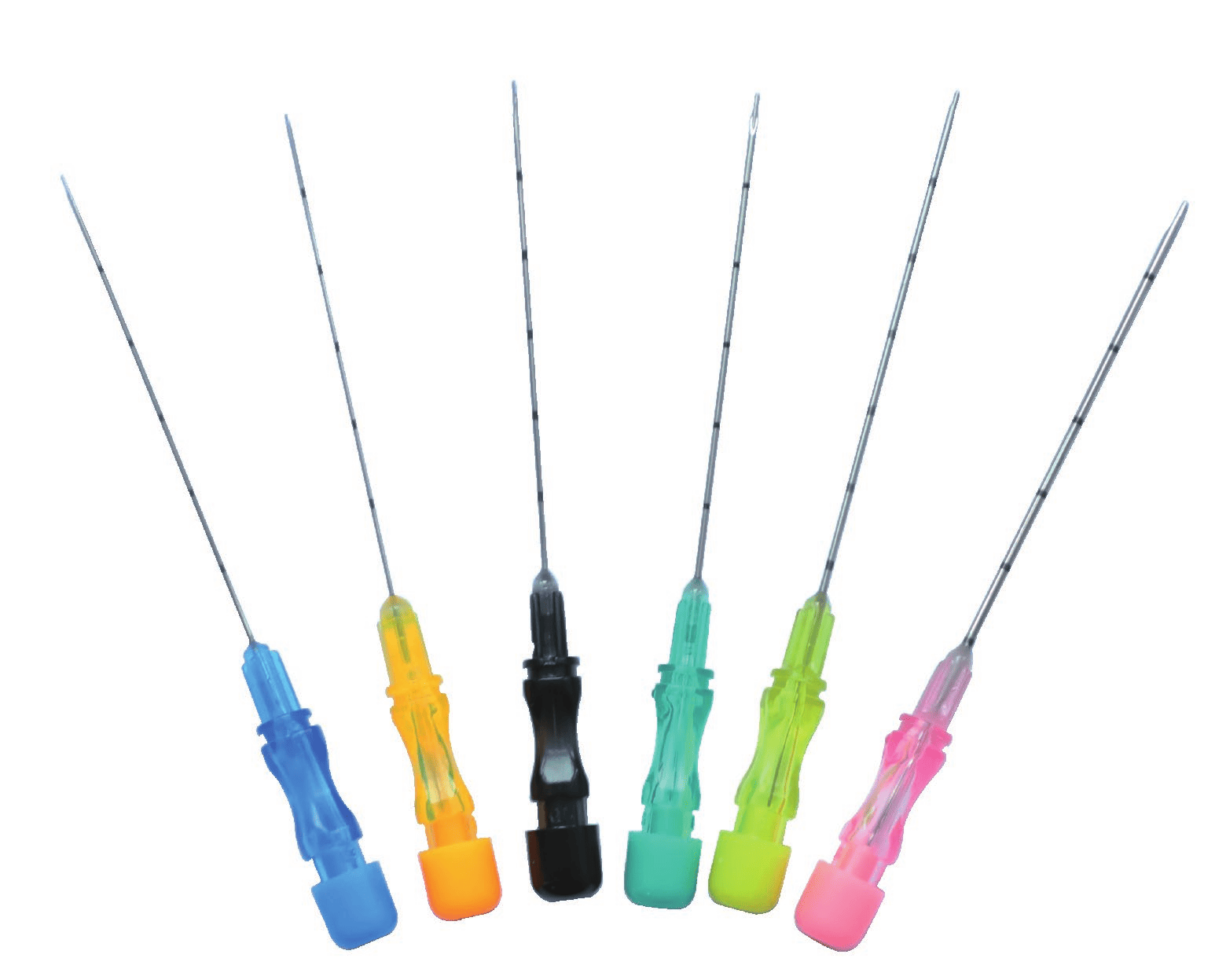
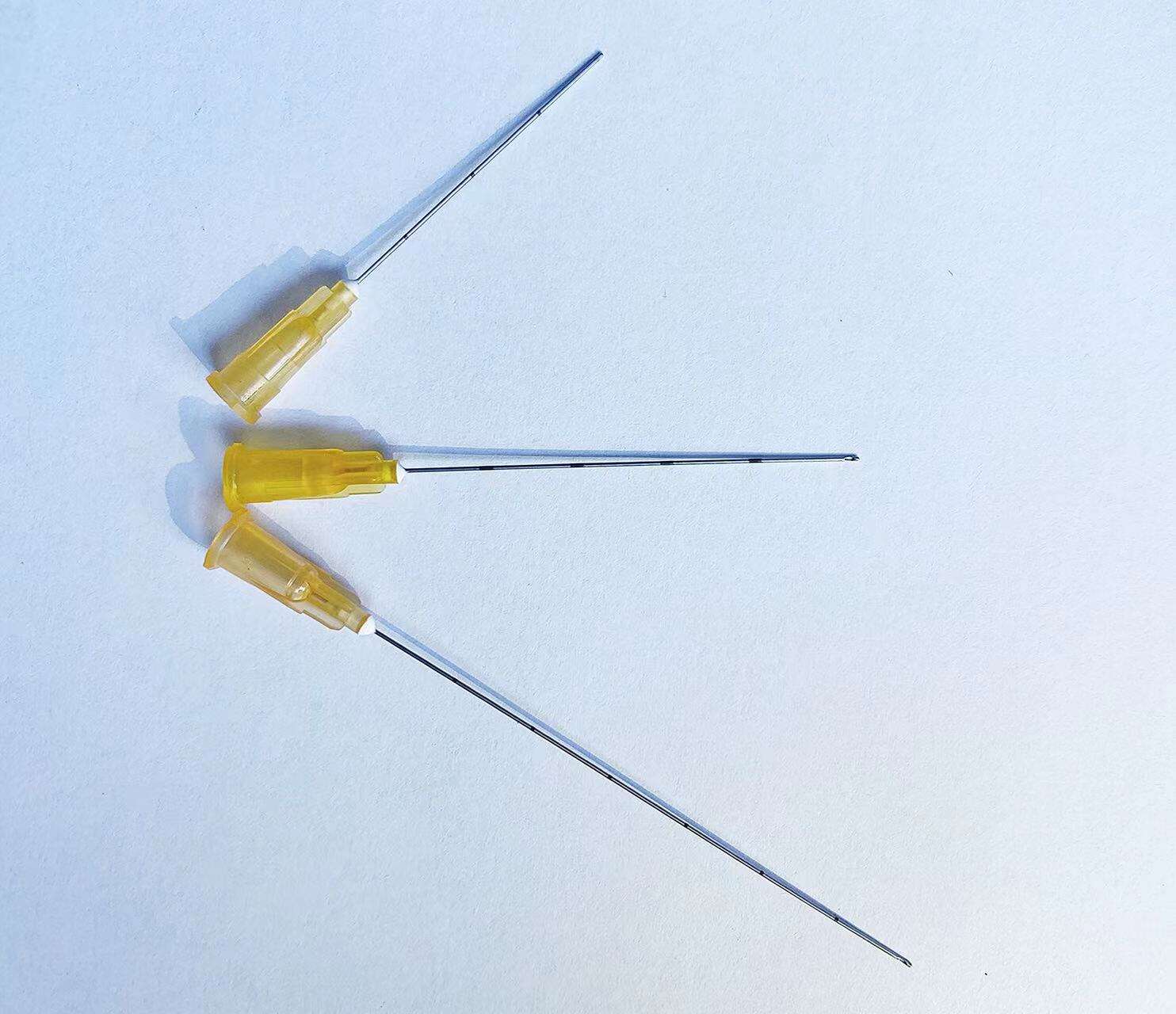
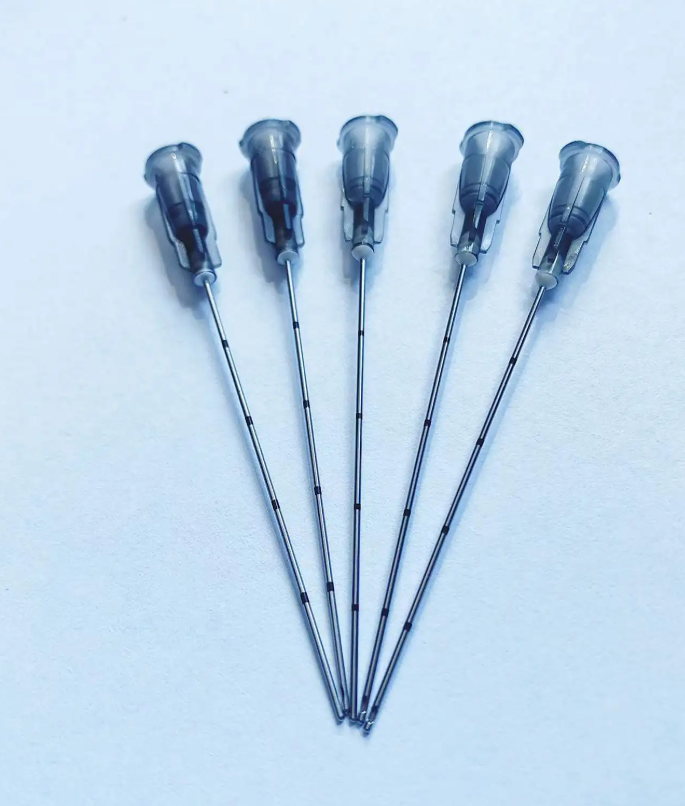
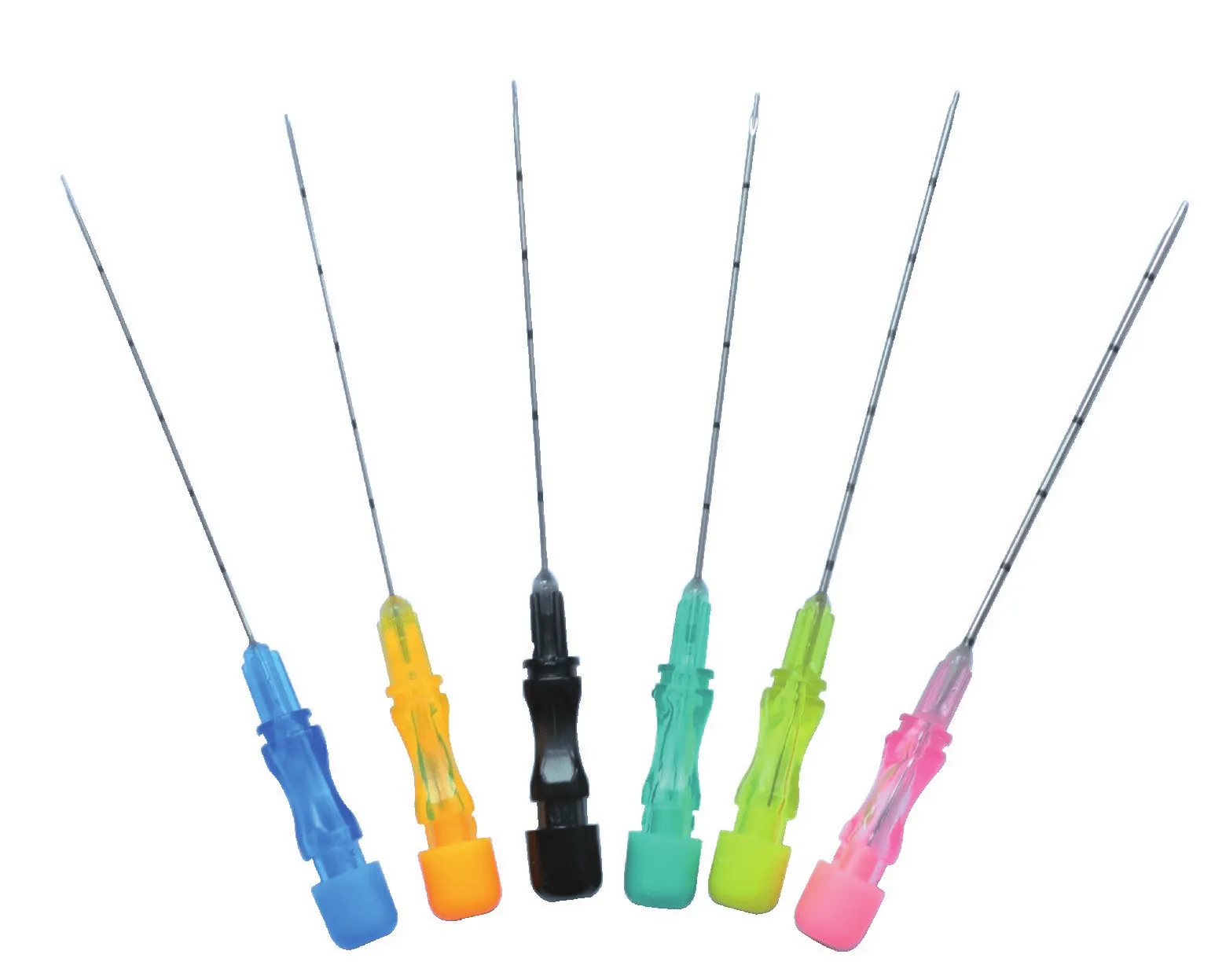
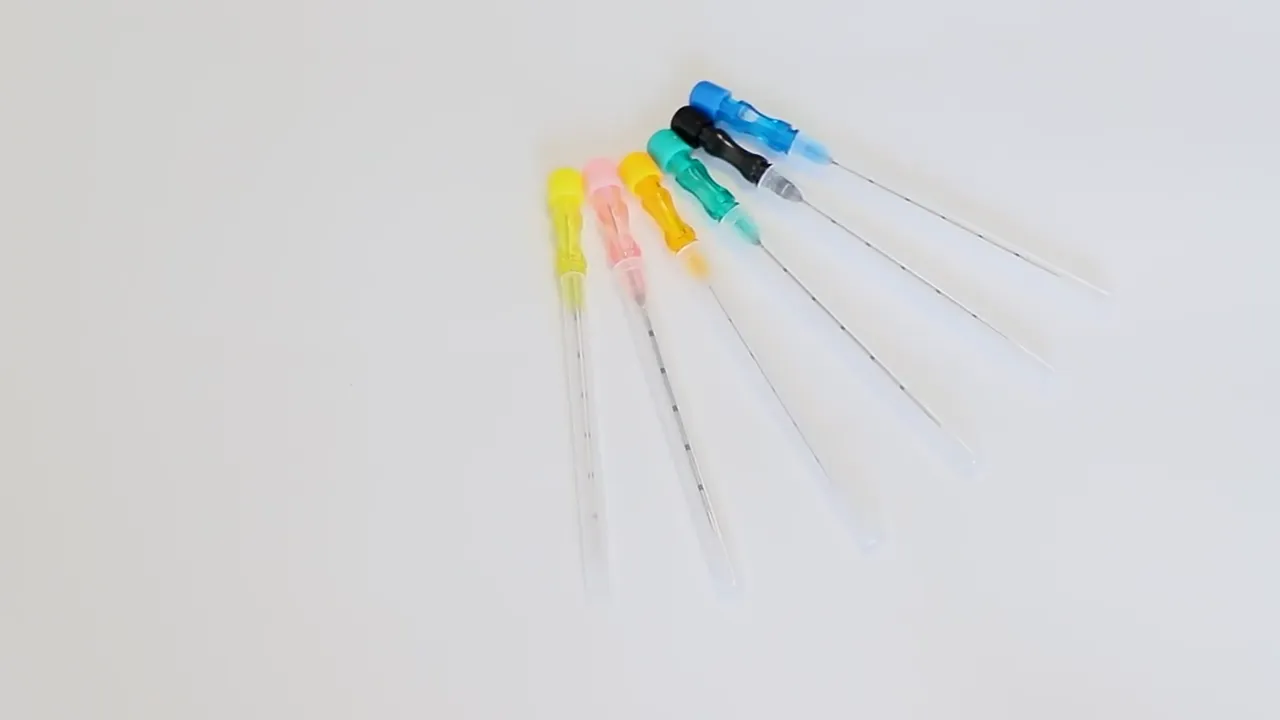
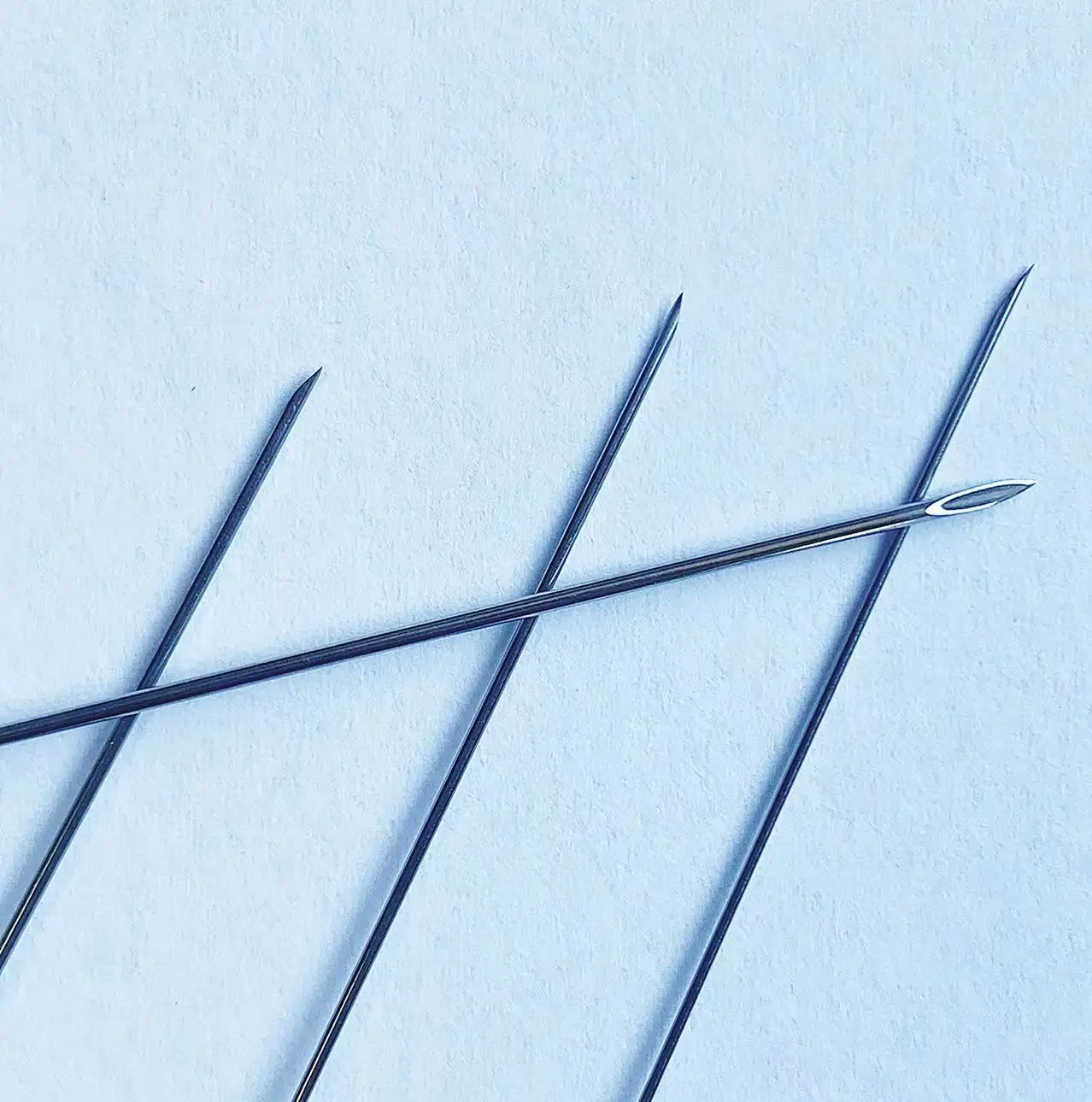
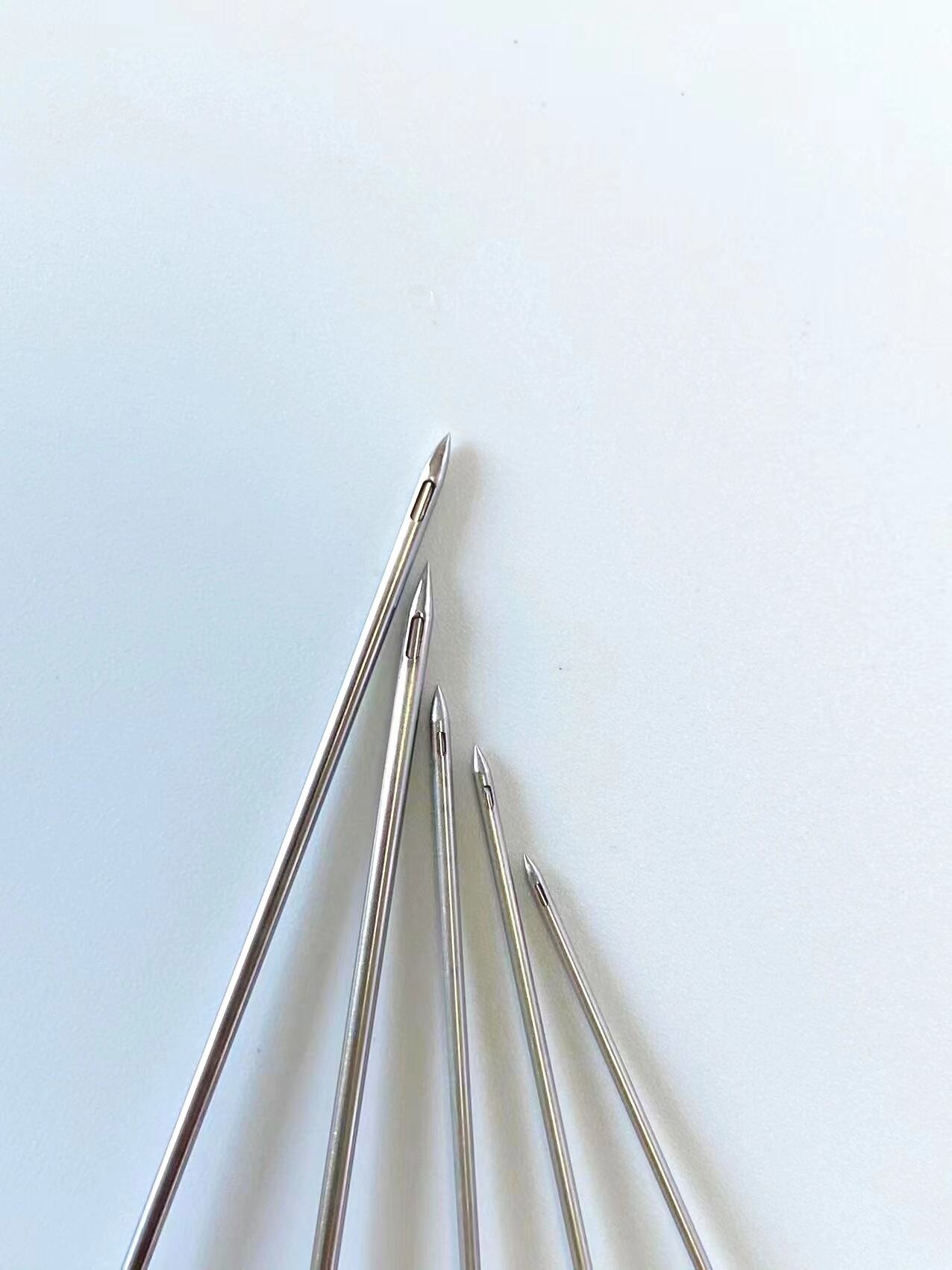
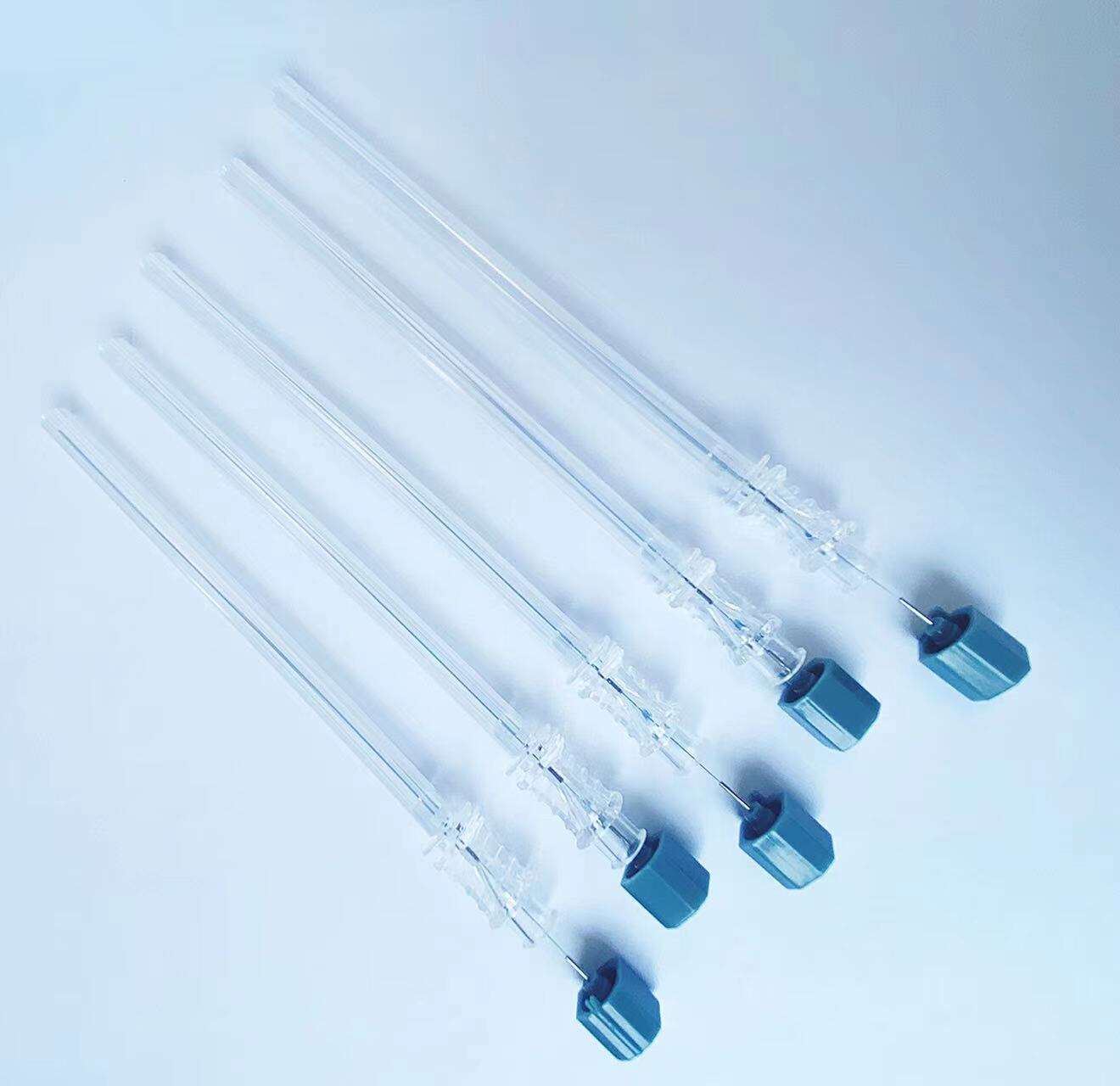
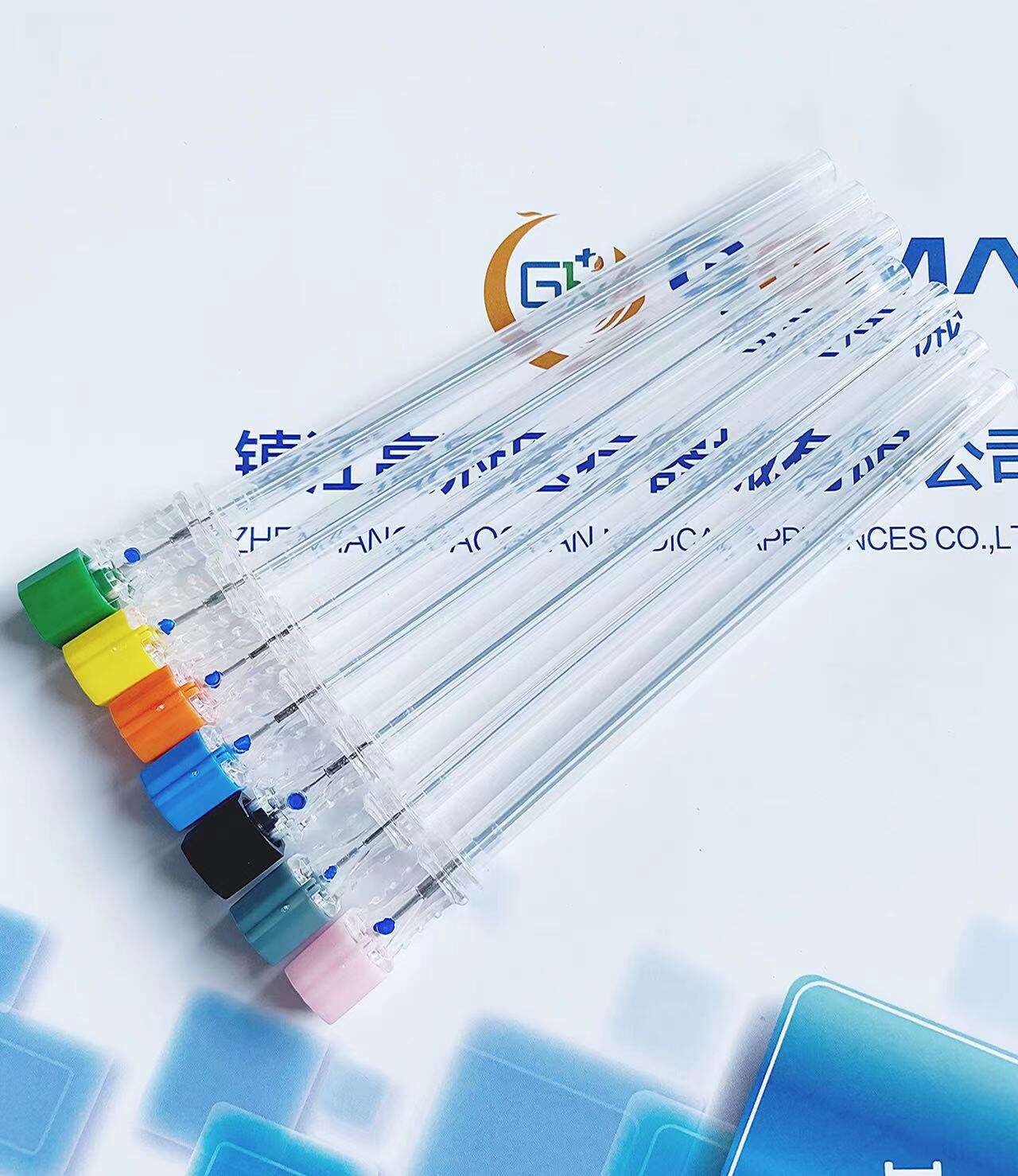
Kim Whitacre chọc dò tủy sống đại diện cho bước tiến lớn trong việc lấy dịch não tủy và các thủ thuật chẩn đoán, cung cấp cho các chuyên gia y tế một công cụ chuyên biệt được thiết kế riêng cho việc lấy dịch não tủy. Thiết bị y tế đổi mới này có thiết kế đầu bút chì độc đáo, phân biệt với các kim cắt truyền thống, mang lại sự thoải mái tối ưu hơn cho bệnh nhân và giảm thiểu biến chứng trong các thủ thuật cột sống. Kim Whitacre chọc dò tủy sống tích hợp các nguyên lý kỹ thuật tiên tiến giúp giảm thiểu tổn thương mô trong khi vẫn duy trì đặc tính dòng chảy dịch tối ưu, cần thiết để lấy mẫu chẩn đoán chính xác. Các bác sĩ trên toàn thế giới công nhận dụng cụ này là công nghệ nền tảng trong chẩn đoán thần kinh, cho phép tiếp cận chính xác khoang dưới nhện một cách hiệu quả đáng kể. Cấu tạo của thiết bị sử dụng vật liệu thép không gỉ cao cấp đảm bảo độ bền và vô trùng trong suốt quá trình thực hiện, trong khi thiết kế công thái học giúp luồn kim dễ dàng và điều hướng kiểm soát tốt qua các mô cột sống. Các ứng dụng lâm sàng của kim Whitacre chọc dò tủy sống trải rộng qua nhiều chuyên khoa y tế, bao gồm thần kinh học, cấp cứu, gây mê hồi sức và điều trị bệnh do nhiễm trùng. Các tính năng công nghệ của kim bao gồm cơ chế mở ở cổng bên, cho phép rút dịch nhẹ nhàng mà không tạo ra chênh lệch áp suất đáng kể, vốn có thể dẫn đến đau đầu sau thủ thuật. Các cơ sở y tế áp dụng kim Whitacre chọc dò tủy sống báo cáo kết quả điều trị bệnh nhân được cải thiện, thời gian thực hiện thủ thuật giảm và độ chính xác chẩn đoán tăng lên so với các hệ thống kim thông thường. Hình học đầu kim được chế tạo chính xác tạo ra sự tách rời có kiểm soát các sợi màng cứng thay vì cắt qua chúng, dẫn đến tổn thương mô nhỏ hơn và thời gian hồi phục nhanh hơn. Quy trình sản xuất hiện đại đảm bảo tiêu chuẩn kiểm soát chất lượng nhất quán, mỗi kim Whitacre chọc dò tủy sống đều trải qua các quy trình kiểm tra nghiêm ngặt để đảm bảo hiệu suất tối ưu trong môi trường lâm sàng. Tính linh hoạt của thiết bị mở rộng tới nhiều cỡ đường kính khác nhau, phù hợp với các đối tượng bệnh nhân khác nhau và yêu cầu thủ thuật cụ thể, đồng thời duy trì hồ sơ an toàn vượt trội định nghĩa nên công nghệ y tế đổi mới này.
 EN
EN