kim tiêm tủy sống
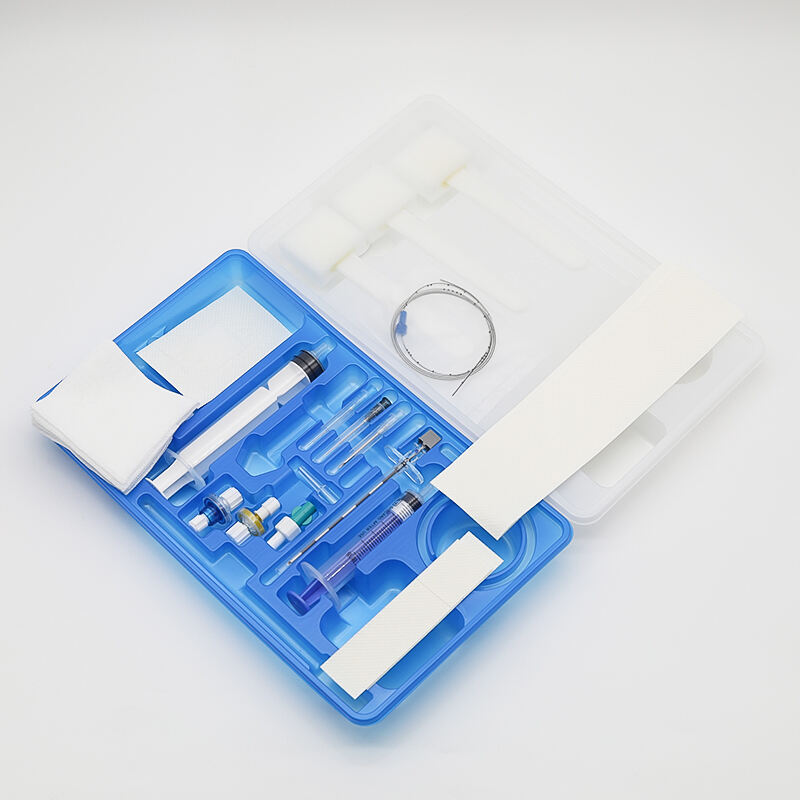
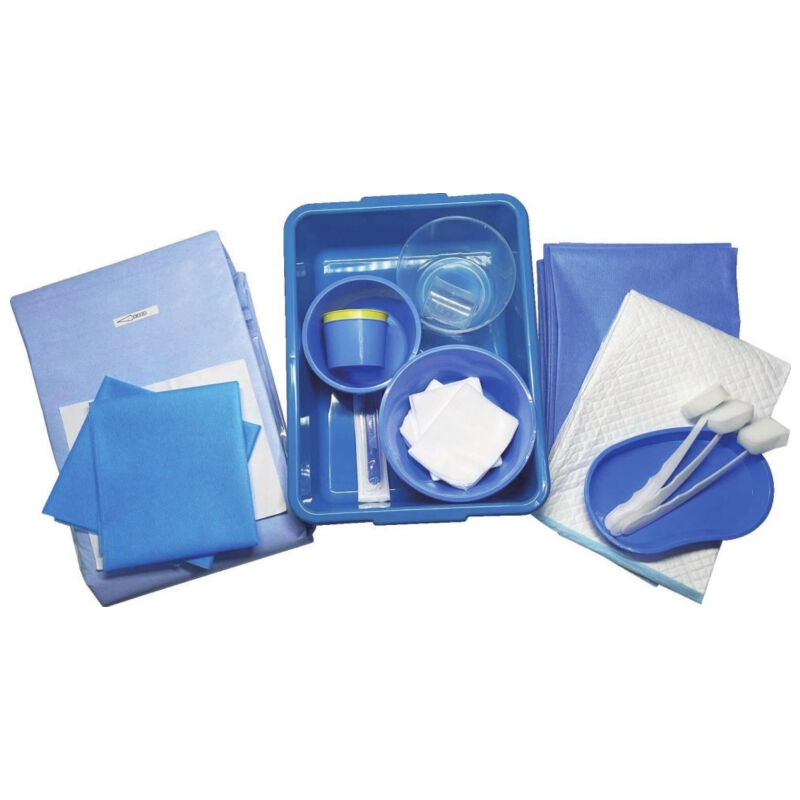
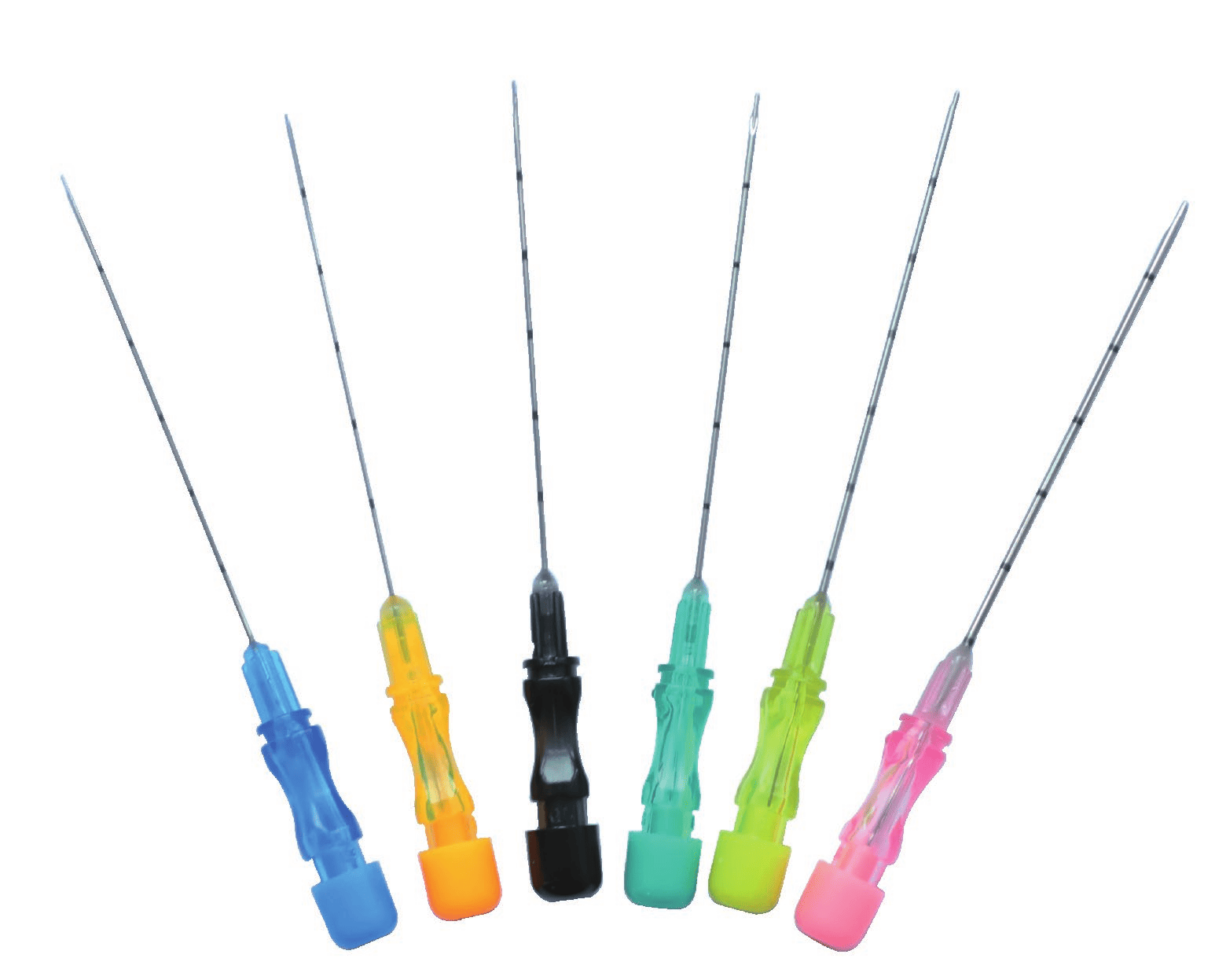
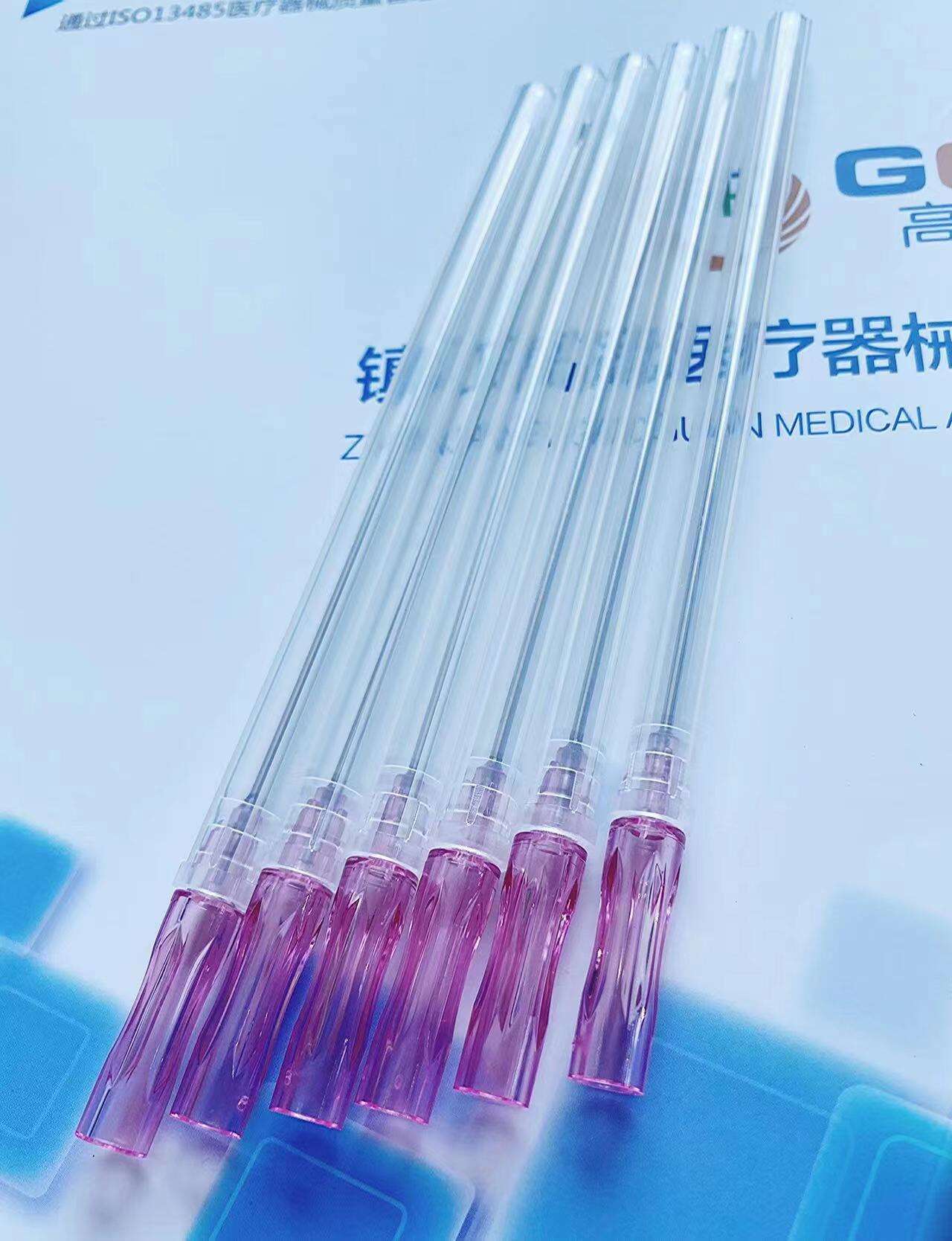
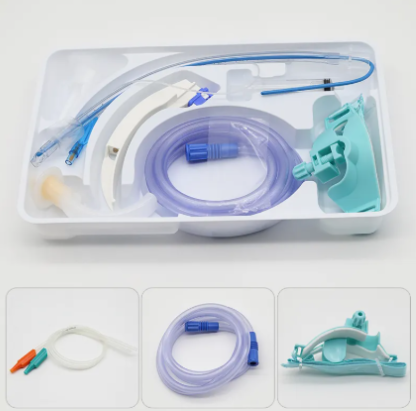
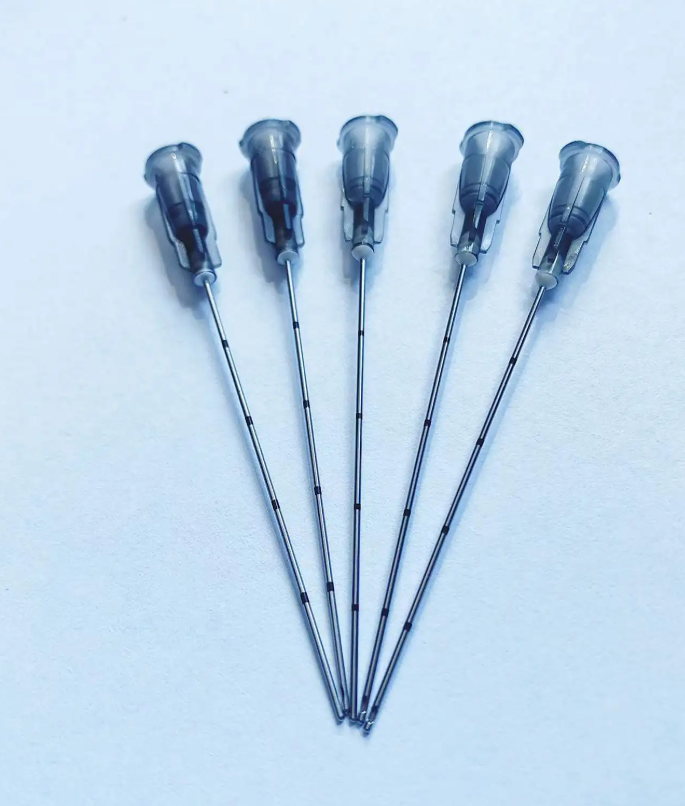
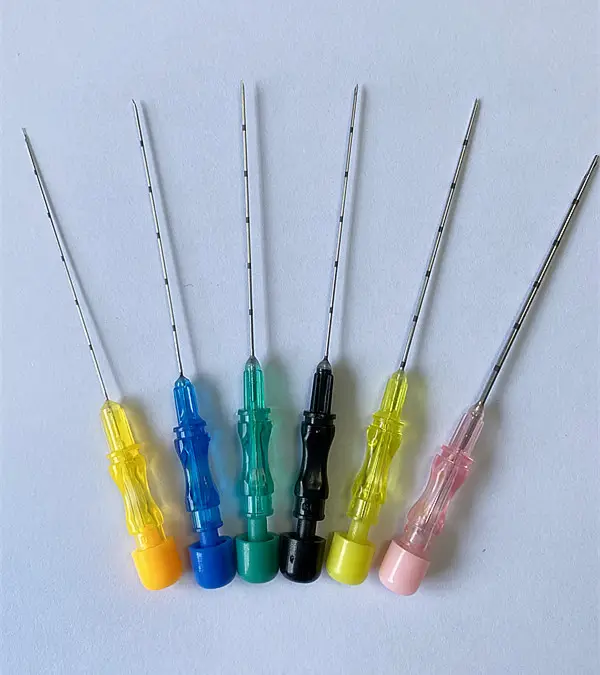
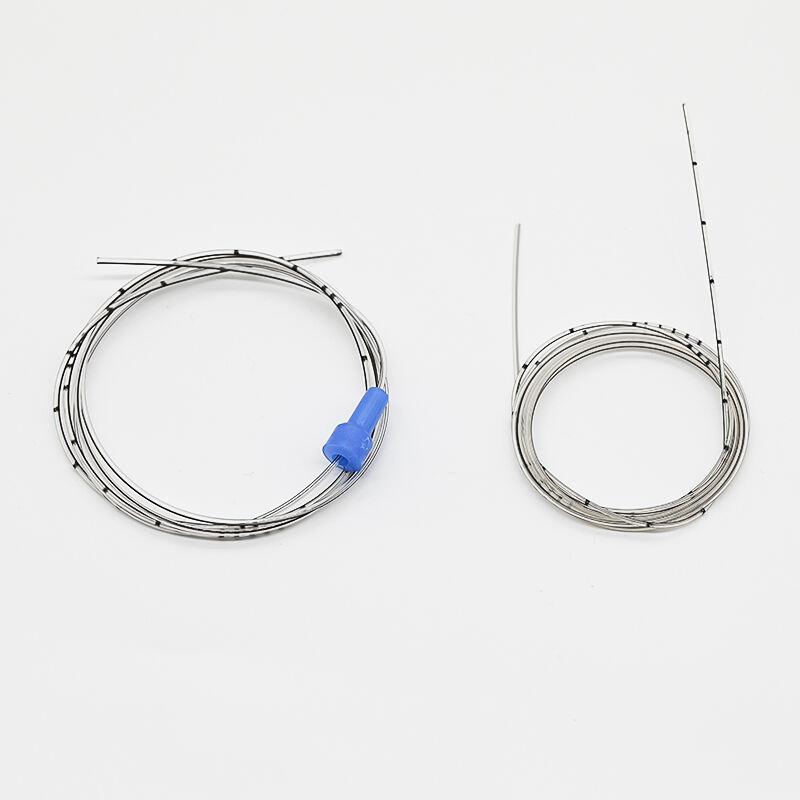
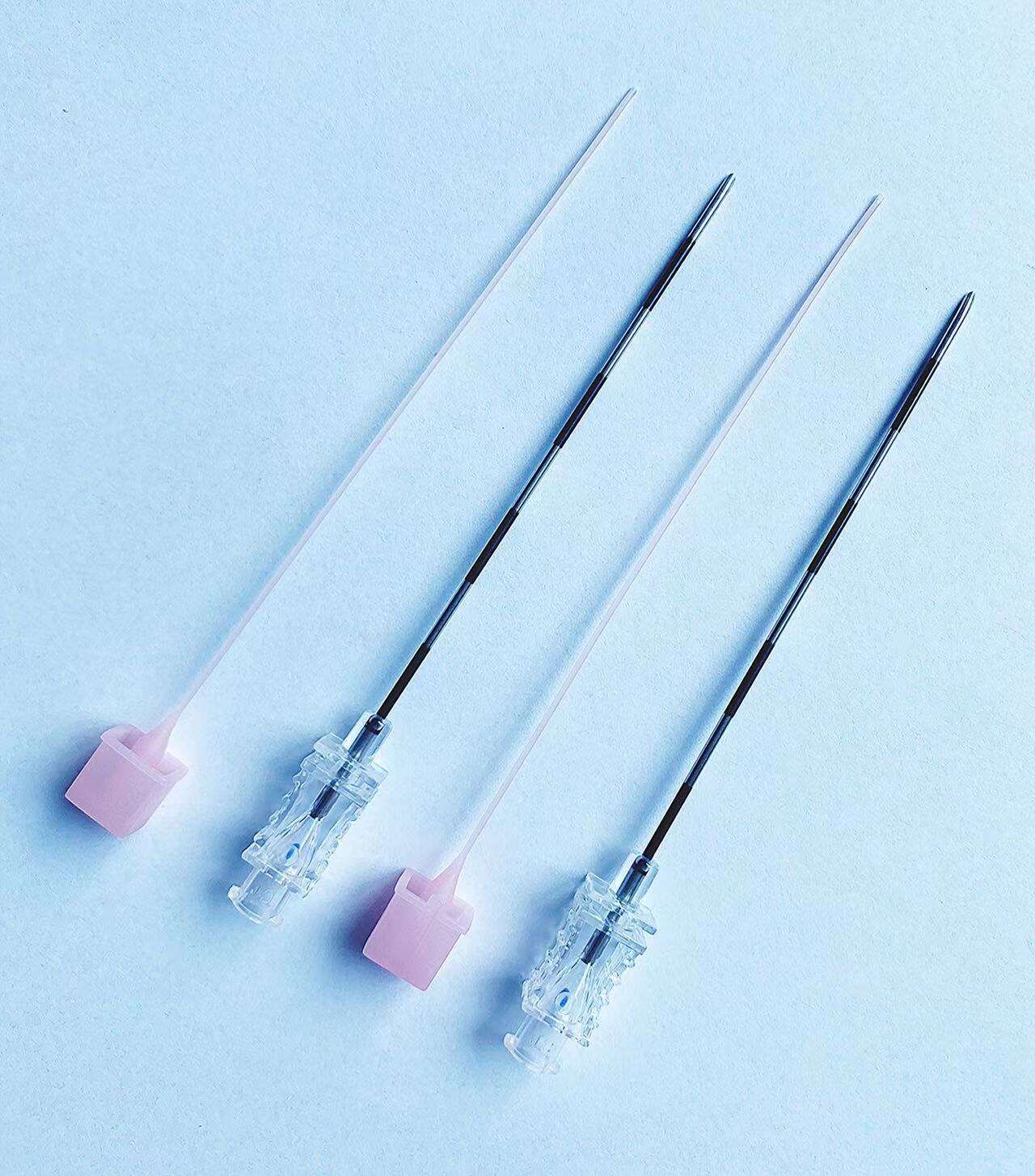
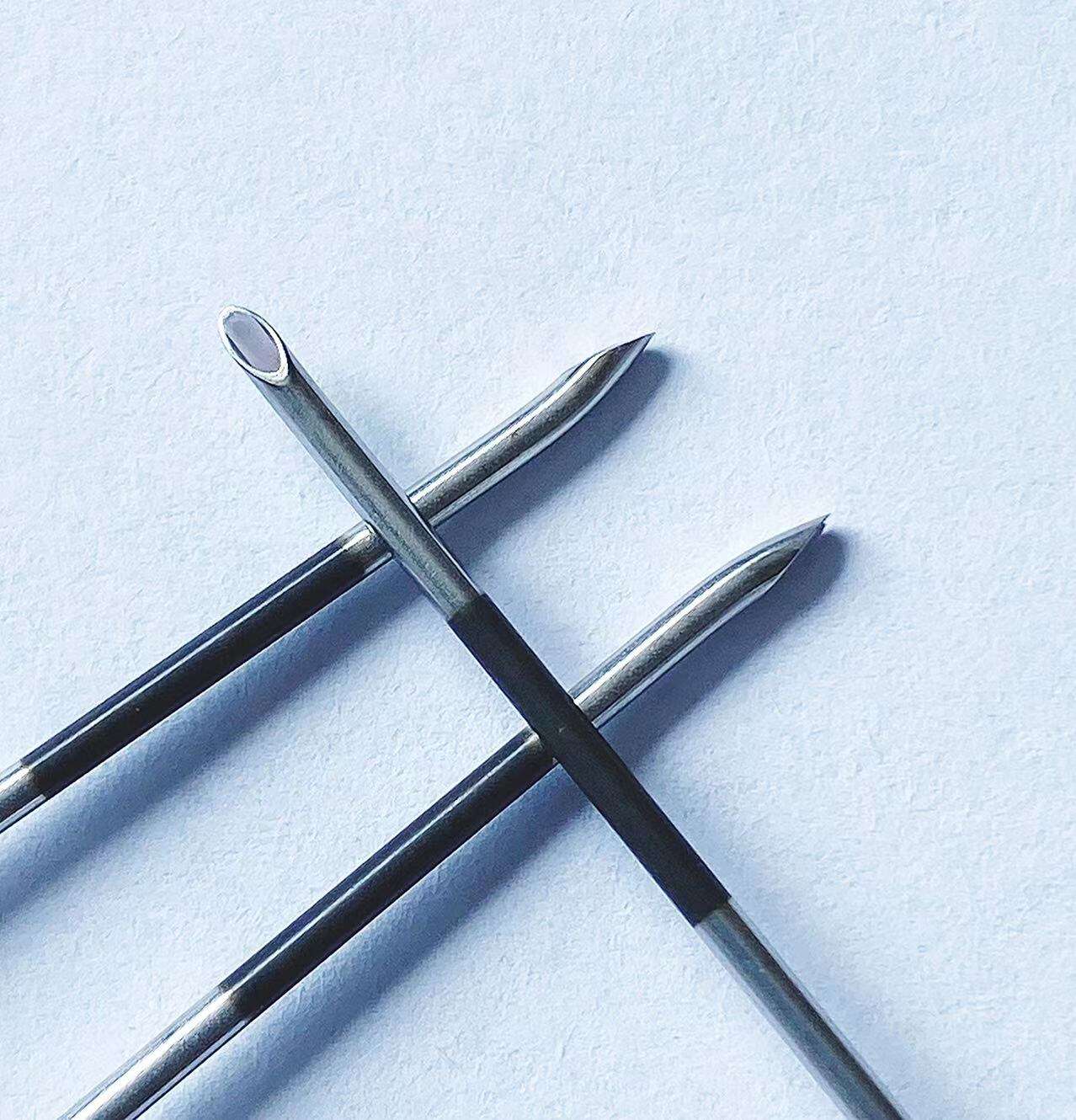
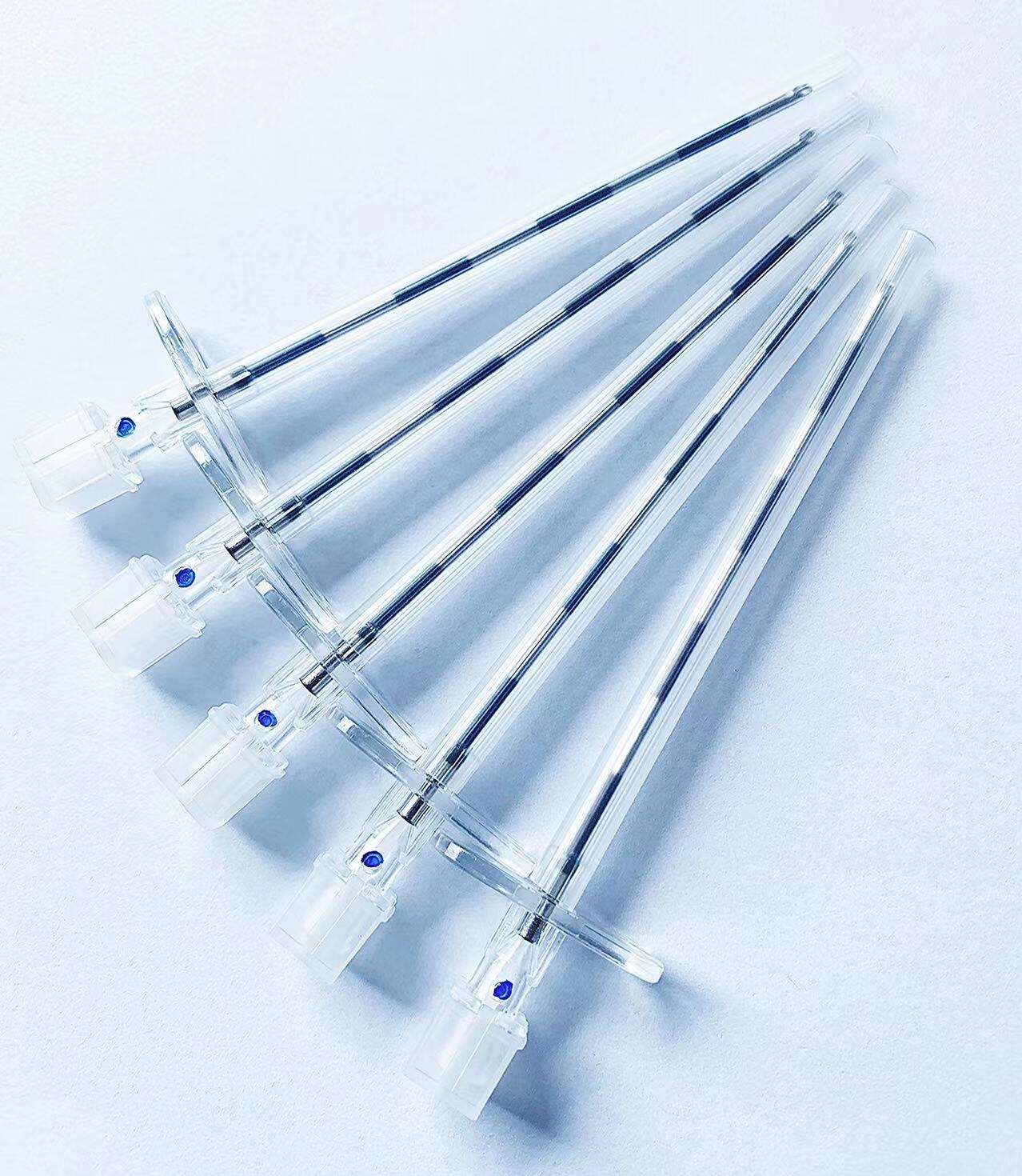
Kim tủy sống đại diện cho một dụng cụ y tế quan trọng được thiết kế đặc biệt để thực hiện gây tê tủy sống và các thủ thuật kiểm soát cơn đau. Kim chuyên dụng này đóng vai trò là công cụ chính để tiếp cận khoang ngoài màng cứng, nằm giữa ống sống và màng cứng bao quanh tủy sống. Kim tủy sống hoạt động như một hệ thống truyền dẫn chính xác, cho phép các chuyên viên y tế tiêm các chất gây tê, thuốc giảm đau hoặc các chất điều trị khác trực tiếp vào khoang ngoài màng cứng nhằm mang lại hiệu quả giảm đau và gây mê phẫu thuật. Thiết kế của kim tủy sống tích hợp nhiều tính năng công nghệ giúp phân biệt nó với các kim y tế thông thường. Hầu hết các kim tủy sống đều có đầu Tuohy, một thiết kế cong, đầu tù giúp bác sĩ dễ dàng luồn qua các lớp mô mà vẫn giảm thiểu nguy cơ đâm thủng màng cứng. Cấu tạo đầu kim đặc biệt này cho phép thao tác xuyên qua mô một cách kiểm soát và làm giảm khả năng xảy ra biến chứng trong quá trình đưa kim vào. Kim thường có độ dày từ 16 đến 18 gauge, tạo sự cân bằng tối ưu giữa độ bền cấu trúc và sự thoải mái cho bệnh nhân. Các kích cỡ chiều dài khác nhau phù hợp với giải phẫu cơ thể bệnh nhân khác nhau, với các độ dài tiêu chuẩn dao động từ 3,5 đến 6 inch. Kim tủy sống được chế tạo từ thép không gỉ cao cấp hoặc các vật liệu sinh học tương thích tương tự, đảm bảo vô trùng, độ bền và khả năng chống ăn mòn. Nhiều loại kim tủy sống hiện đại được trang bị các vạch đo độ sâu dọc theo thân kim, cho phép đo lường và định vị chính xác trong quá trình thực hiện thủ thuật. Phần đuôi kim (hub) được thiết kế để kết nối chắc chắn với xi-lanh và hệ thống ống thông, đảm bảo sự ổn định trong suốt quá trình sử dụng. Các mẫu kim tủy sống tiên tiến hơn còn có các tính năng an toàn như cơ chế rút tự động hoặc vỏ bảo vệ, giúp giảm thiểu nguy cơ bị kim đâm phải do tai nạn đối với nhân viên y tế. Các ứng dụng của kim tủy sống trải rộng qua nhiều chuyên khoa y tế, bao gồm gây mê hồi sức, sản khoa, kiểm soát cơn đau và phẫu thuật chỉnh hình. Trong chăm sóc sản khoa, kim tủy sống cho phép giảm đau trong chuyển dạ thông qua gây tê ngoài màng cứng liên tục. Trong phẫu thuật, kim được dùng để gây tê vùng cho các ca can thiệp ở chi dưới, phẫu thuật bụng và các thao tác ngực. Trong quản lý đau mãn tính, kim tủy sống được sử dụng để tiêm steroid, chẹn dây thần kinh và các phác đồ giảm đau dài hạn. Tính linh hoạt của kim tủy sống khiến nó trở thành một công cụ không thể thiếu trong thực hành y khoa hiện đại, hỗ trợ cả các can thiệp cấp cứu lẫn các điều trị lâu dài.
 EN
EN