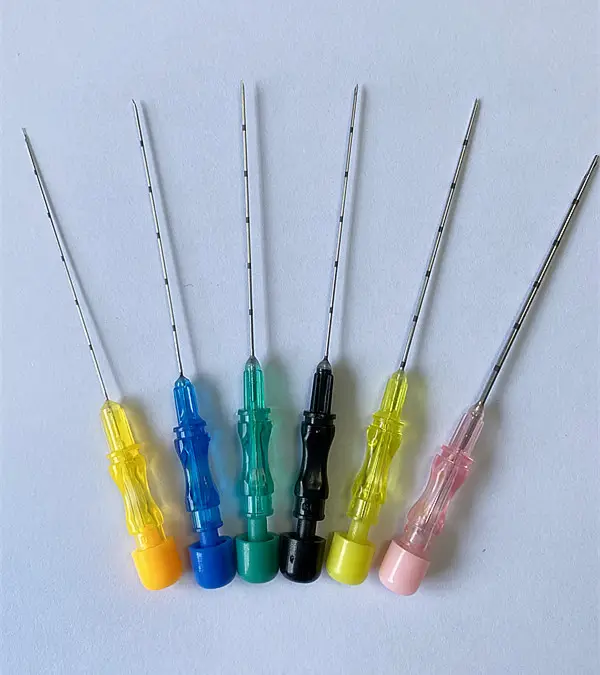
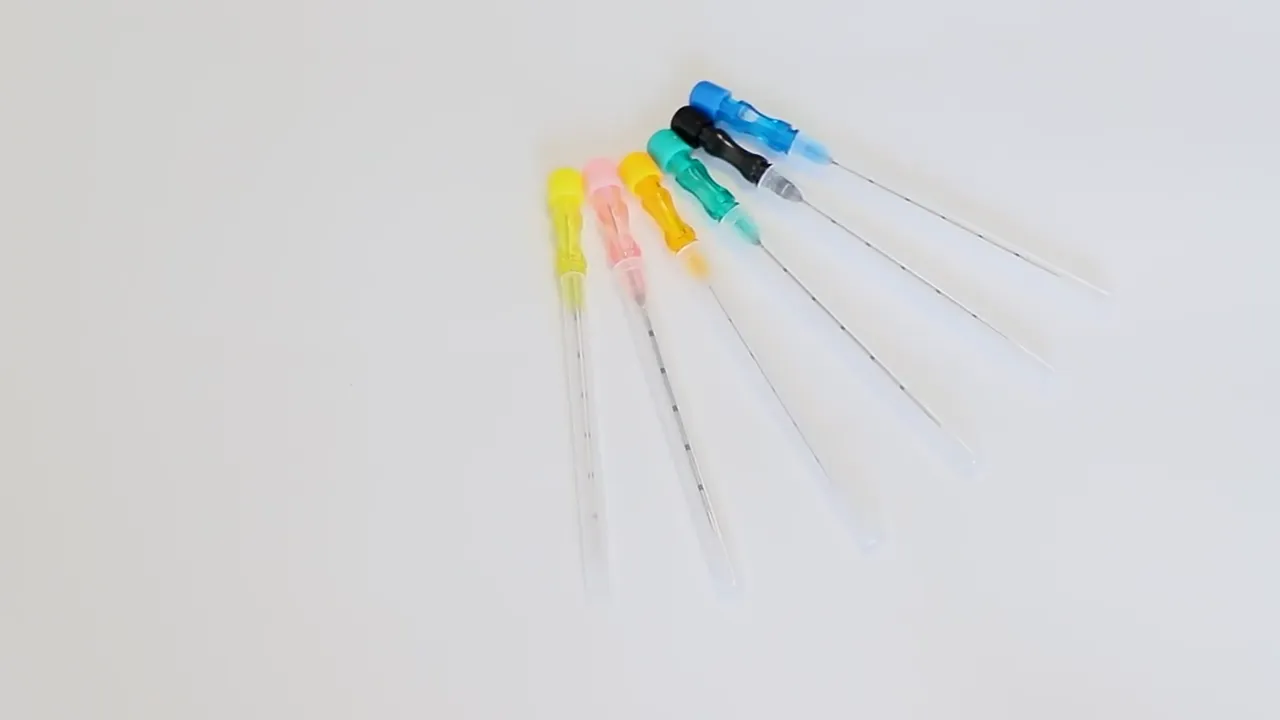
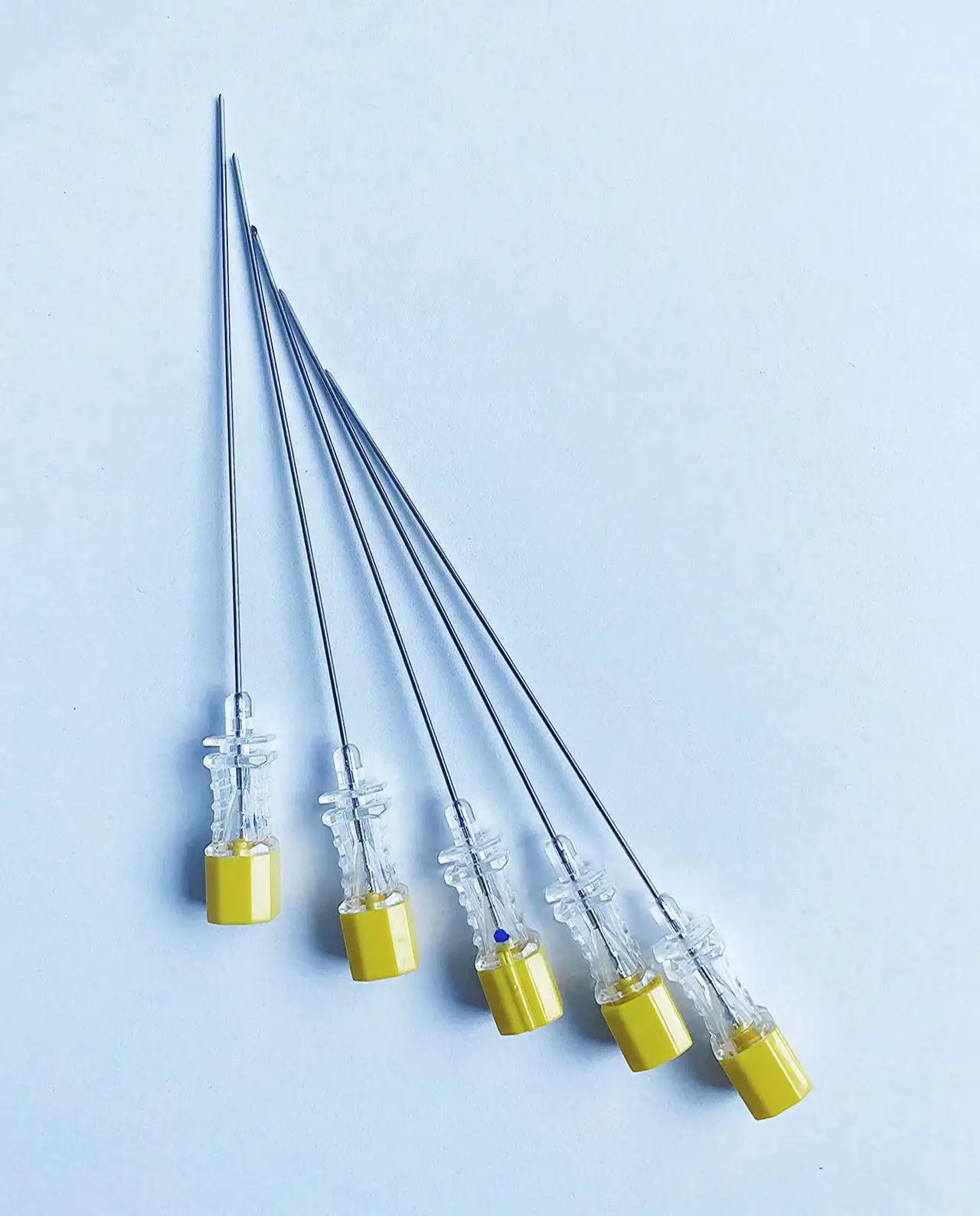
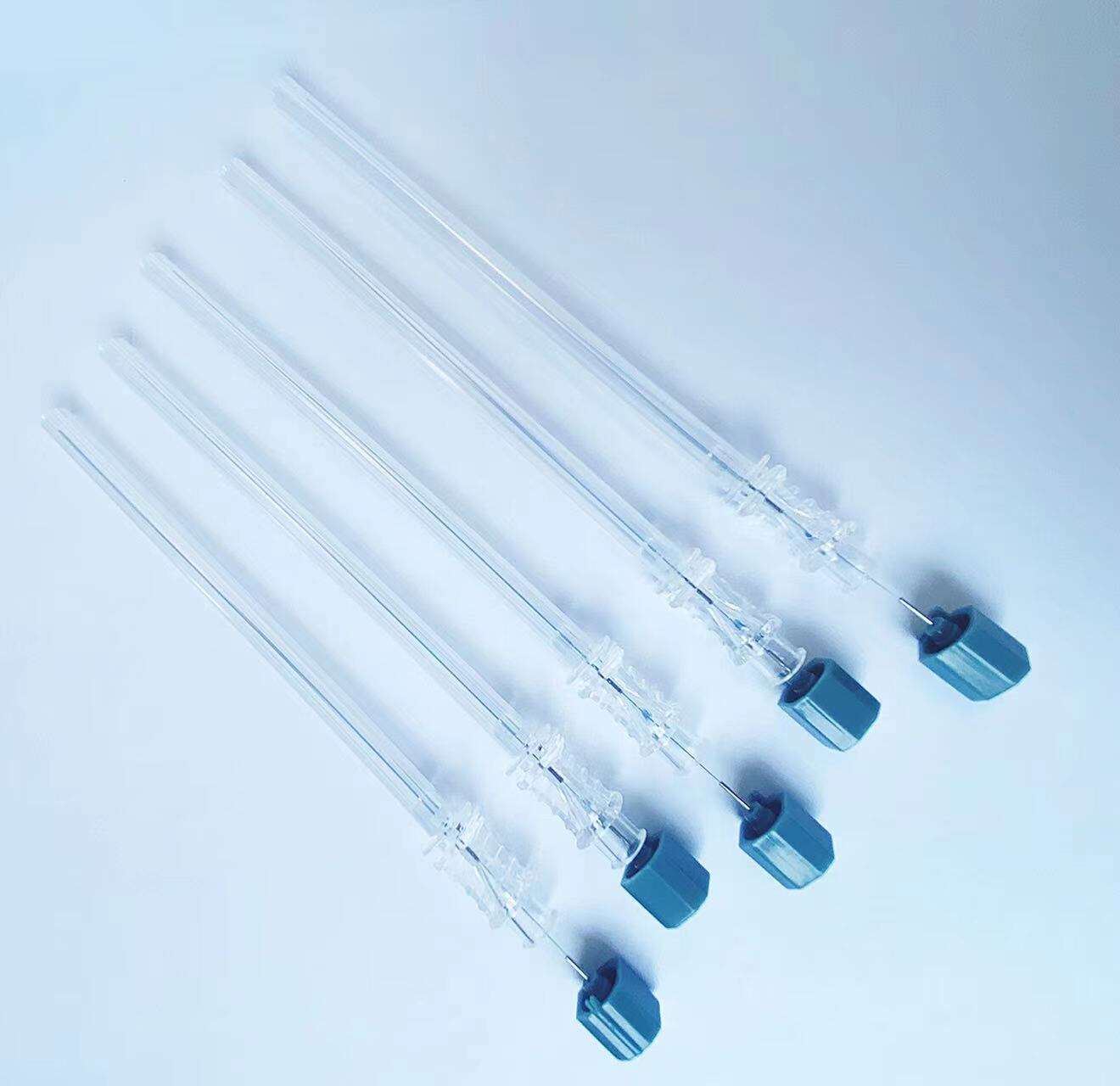
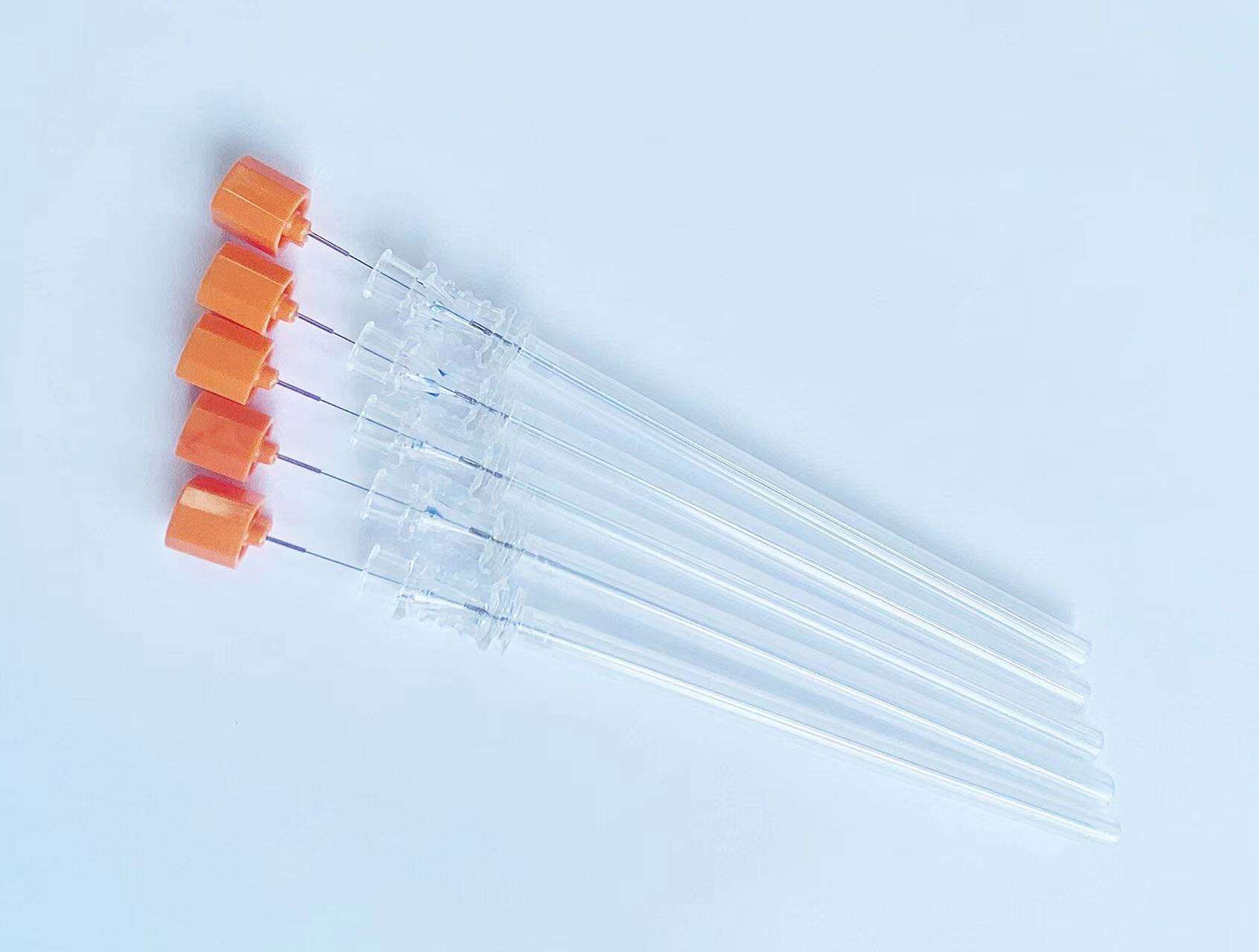
25г більшова споновна игла
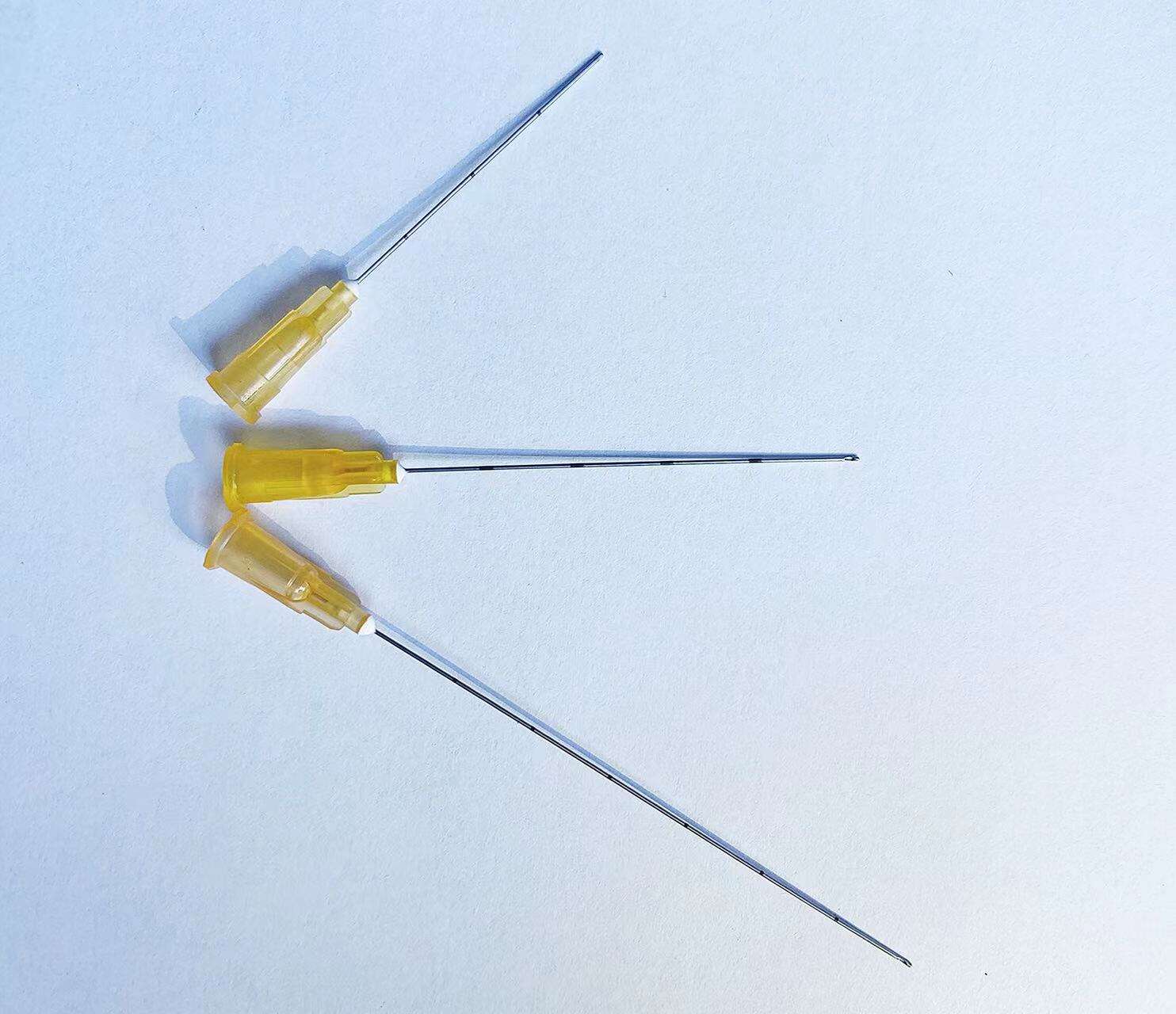
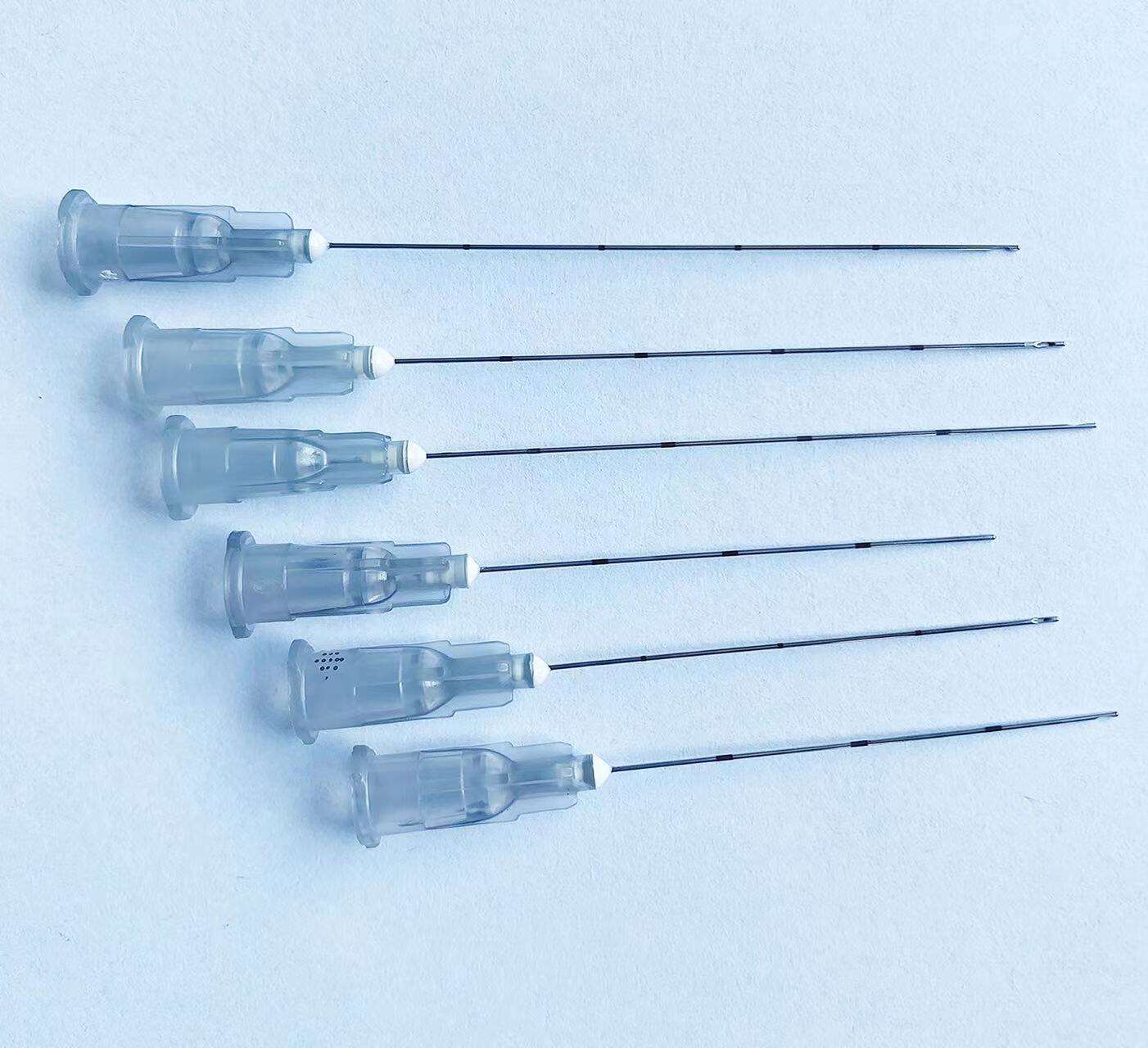
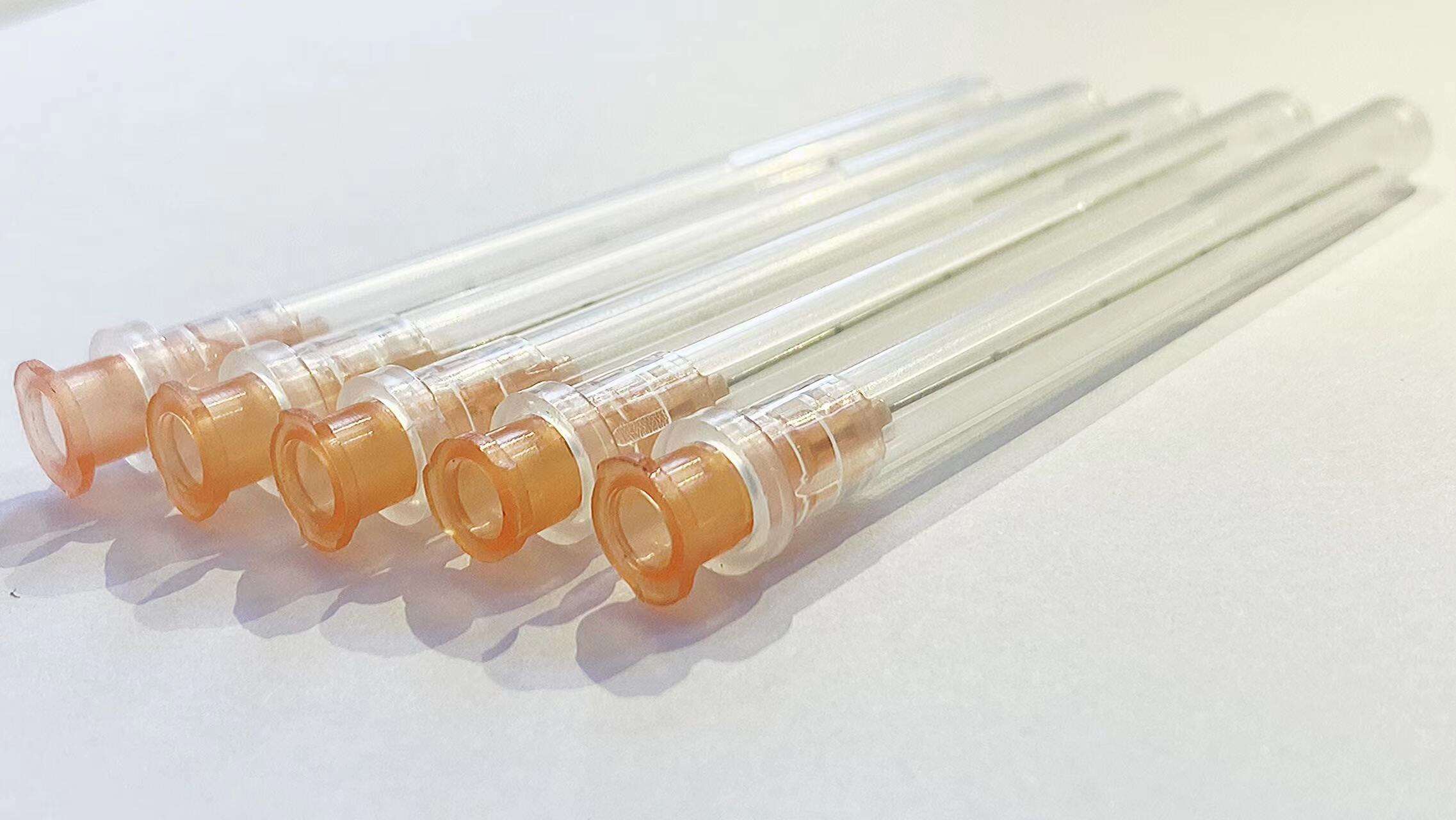
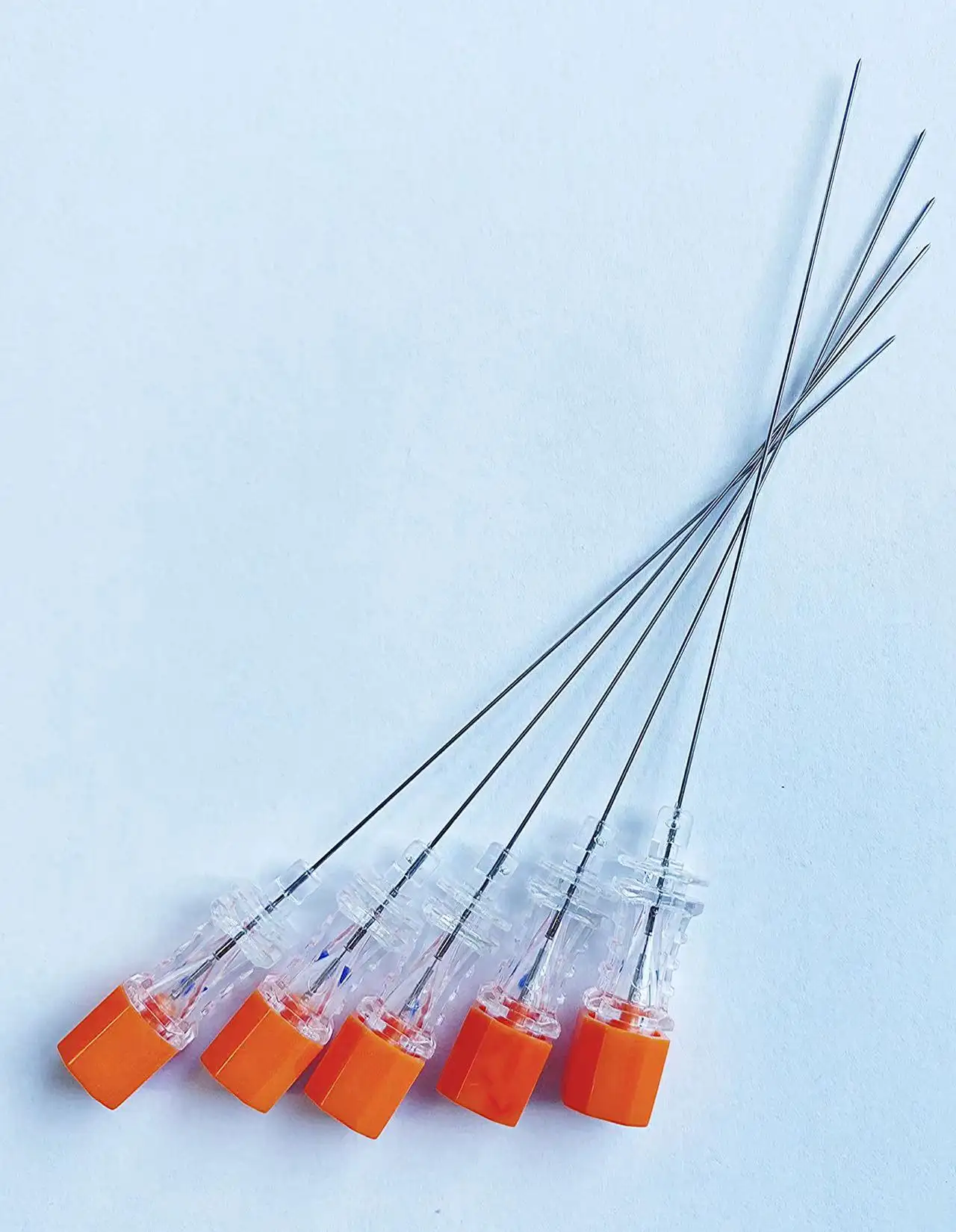
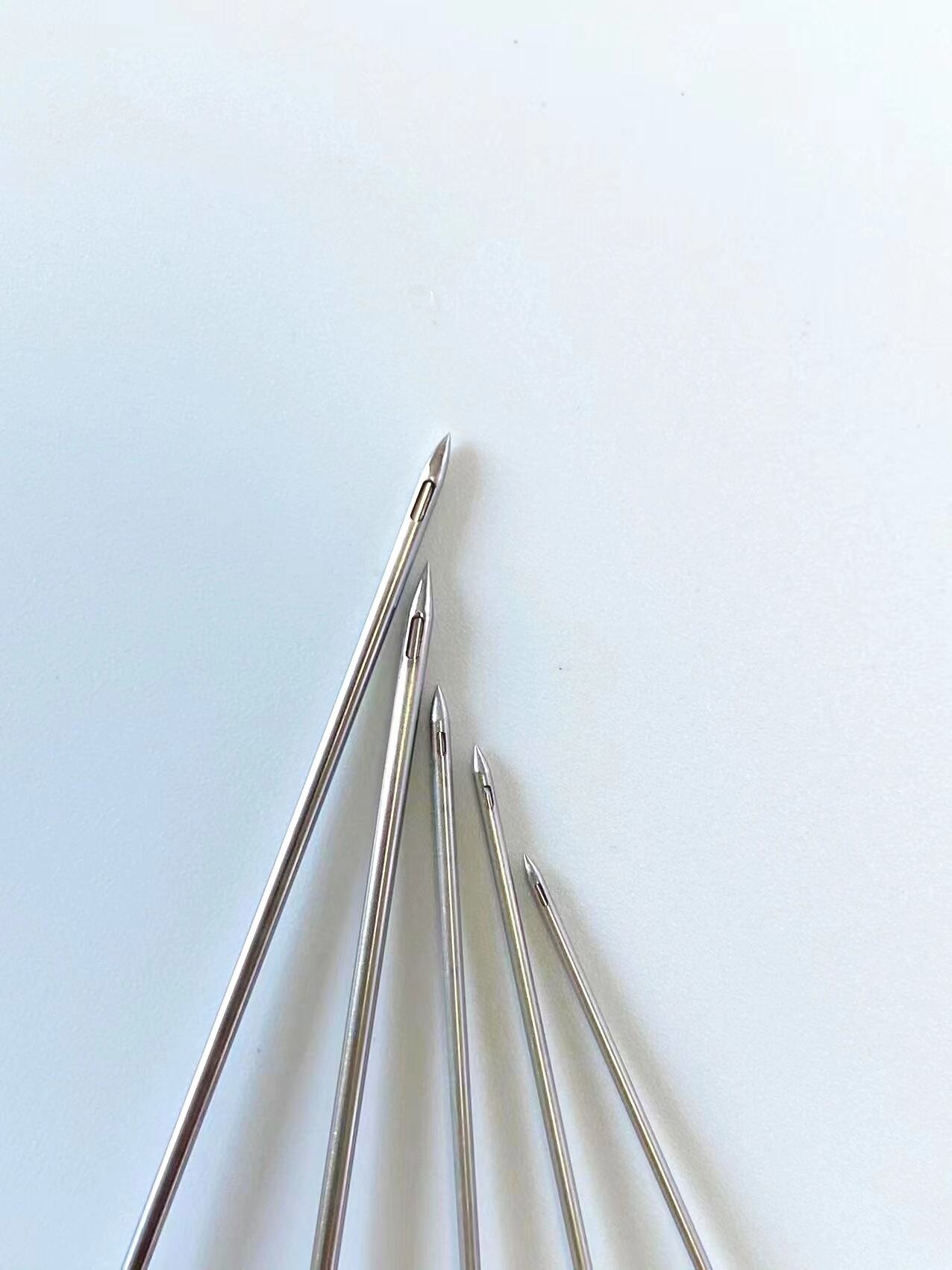
Спінальний блок-нитка Whitacre 25g є значним кроком вперед у процедурах нейронарної анестезії та люмбальної пункції, пропонуючи медичним фахівцям досконалий інструмент, розроблений для підвищення комфорту пацієнтів і успішності процедур. Цей спеціалізований медичний пристрій має конфігурацію наконечника у формі олівця, що відрізняє його від традиційних ріжучих голок, роблячи його важливим компонентом сучасних анестезіологічних і діагностичних практик. Спінальна голка Whitacre 25g використовує передові інженерні принципи для забезпечення високих експлуатаційних характеристик, мінімізуючи при цьому дискомфорт пацієнта та зменшуючи ускладнення, пов’язані зі спінальними процедурами. Калібр голки вказує на її діаметр, де 25-го калібру означає відносно тонкий профіль, що полегшує введення, зберігаючи при цьому структурну цілісність протягом усієї процедури. Конструкція Whitacre, названа на честь свого винахідника, має унікальний наконечник у формі олівця з бічним отвором, розташованим приблизно за 2,4 мм від кінця голки, що дозволяє ліквору тікати латерально, а не безпосередньо через кінець. Ця інноваційна конструкція значно зменшує випадки головного болю після пункції твердої оболонки, який є поширеним ускладненням під час спінальних процедур. Спінальна голка Whitacre 25g виконує кілька життєво важливих функцій у медичних умовах, насамперед забезпечуючи введення спінальної анестезії під час хірургічних операцій, дозволяючи відбирати зразки ліквору з діагностичною метою та підтримуючи внутрішньочерепне введення ліків. До її технологічних особливостей належать стандарти прецизійного виробництва, що гарантують постійну якість, біосумісні матеріали, які мінімізують реакцію тканин, і ергономічні елементи дизайну, які покращують контроль лікаря під час введення. Конструкція голки виготовлена з високоякісної нержавіючої сталі, яка зберігає гостроту протягом усієї процедури, забезпечуючи при цьому достатню гнучкість для безпечного проходження анатомічних структур. Галузі застосування спінальної голки Whitacre 25g охоплюють різні медичні спеціальності, зокрема анестезіологію для регіонарних блокад, акушерство для епідуральної та спінальної анестезії під час пологів, ортопедичну хірургію для операцій на нижніх кінцівках та неврологію для діагностичних люмбальних пункцій.
 EN
EN