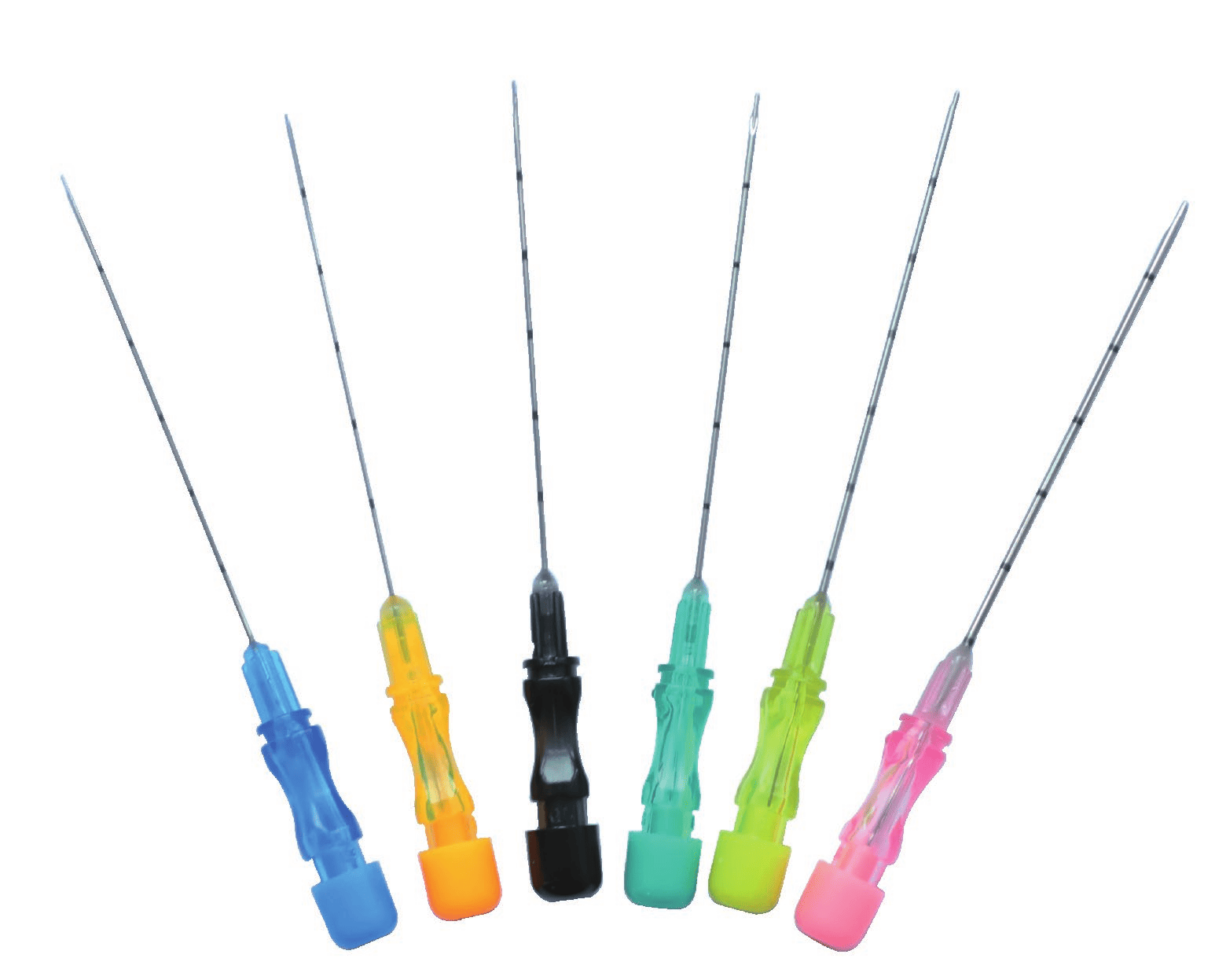
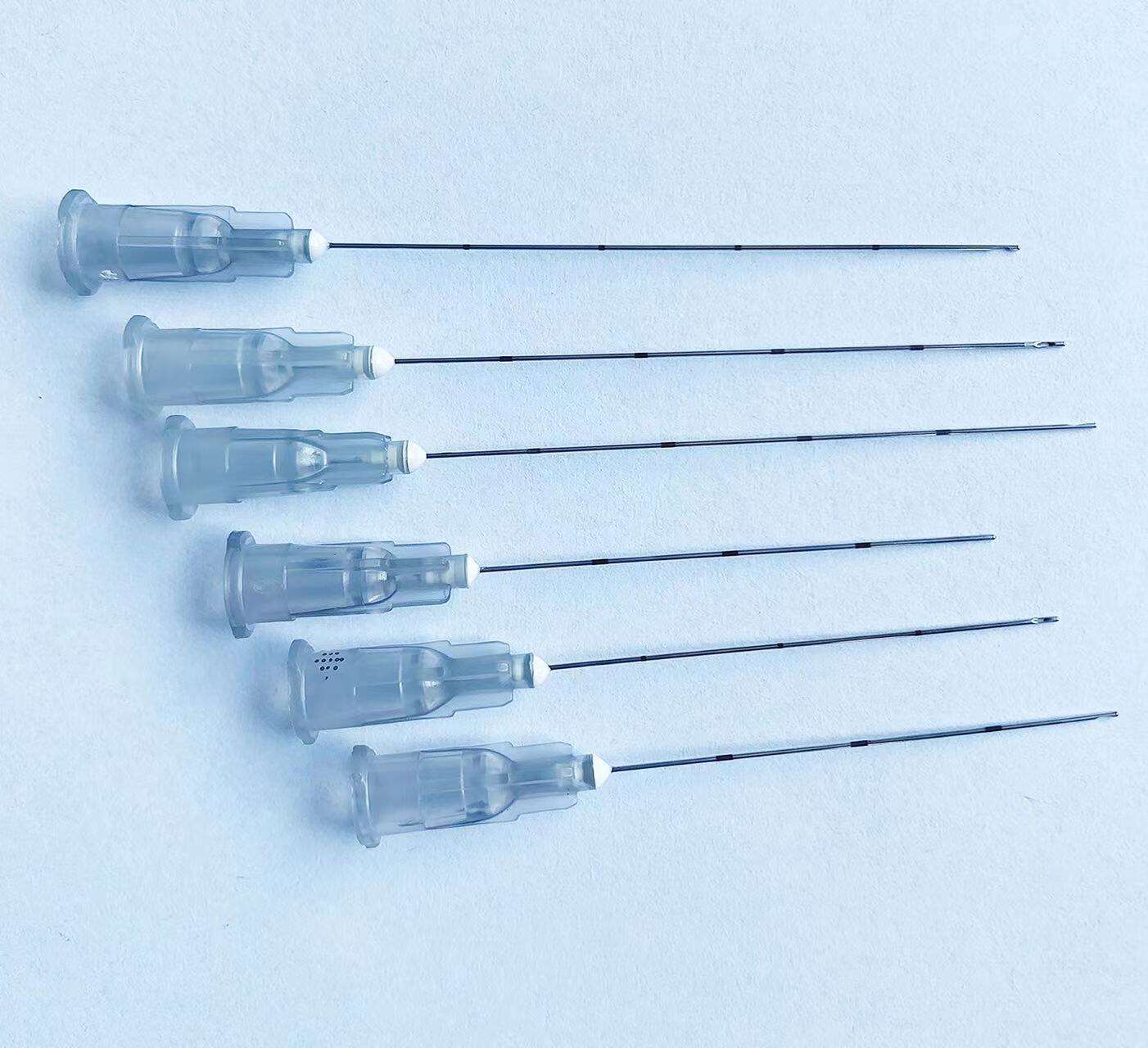
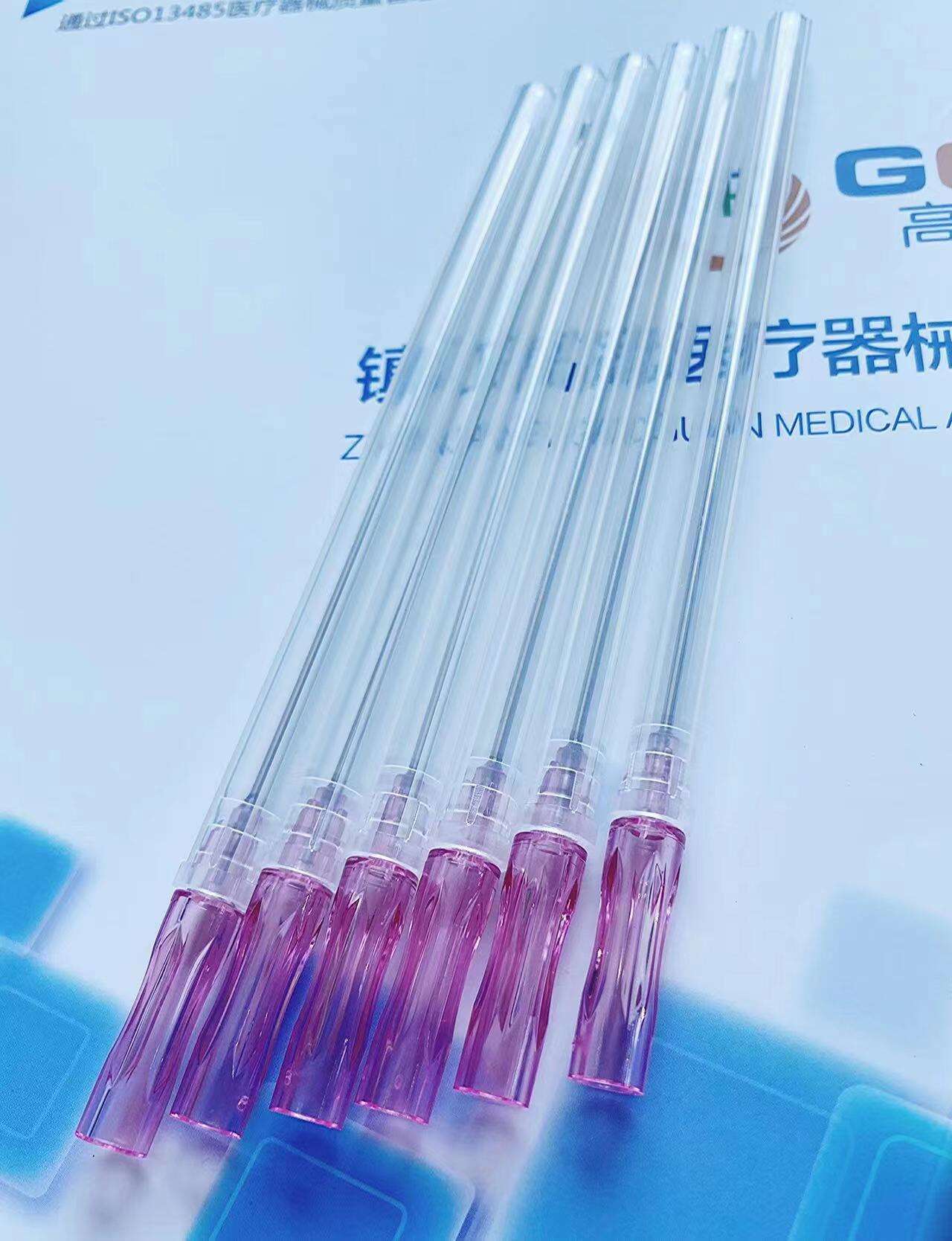
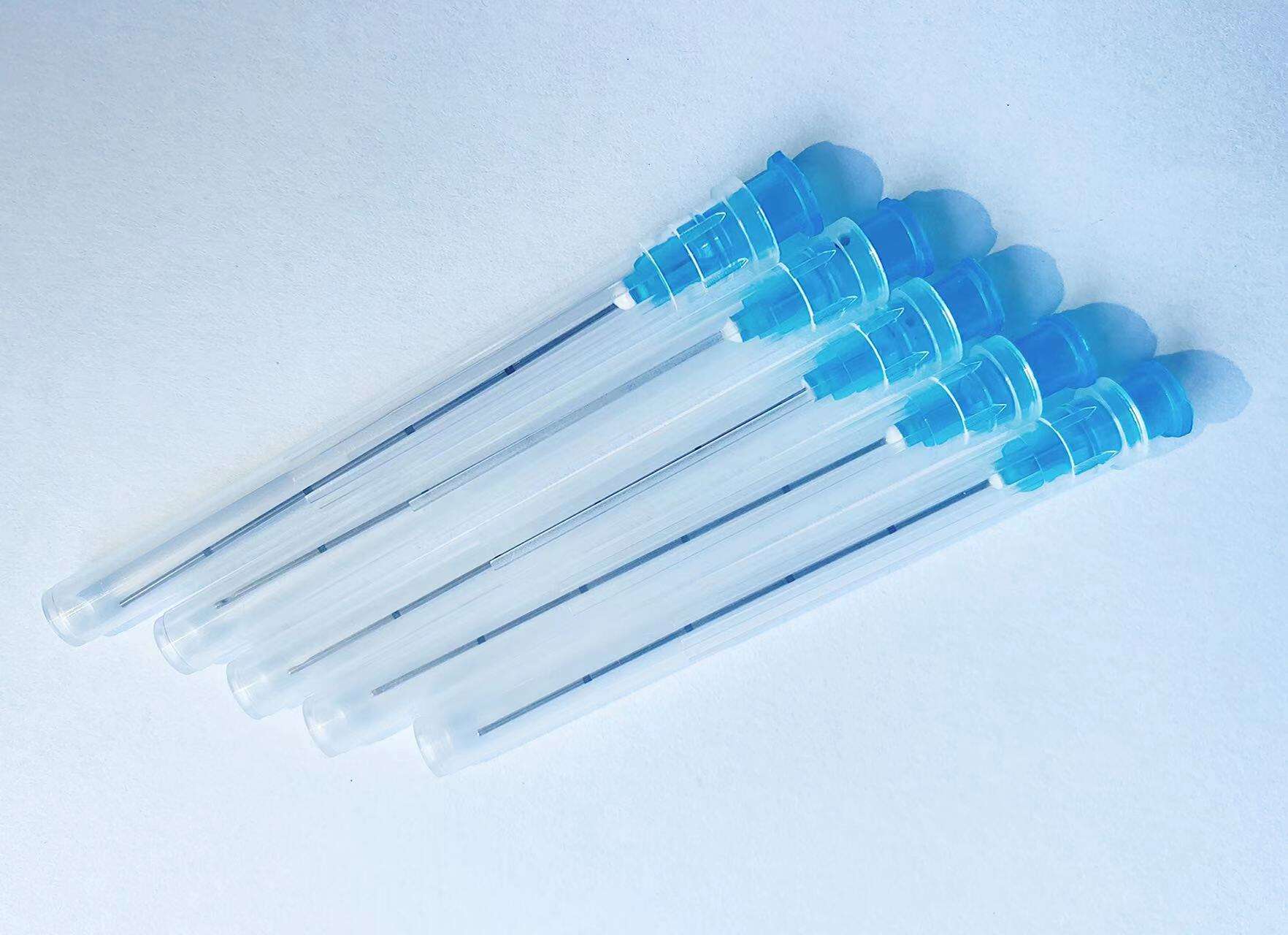
ago per anestesia epidurale
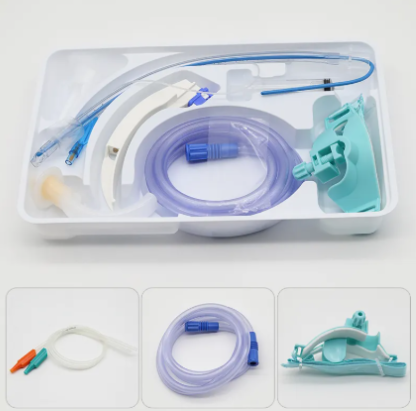
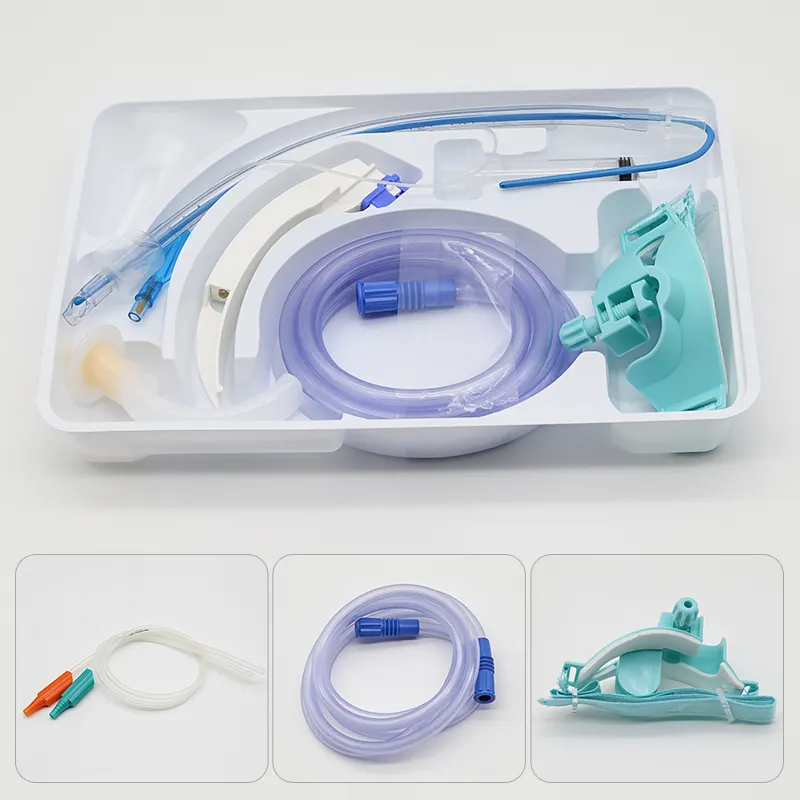
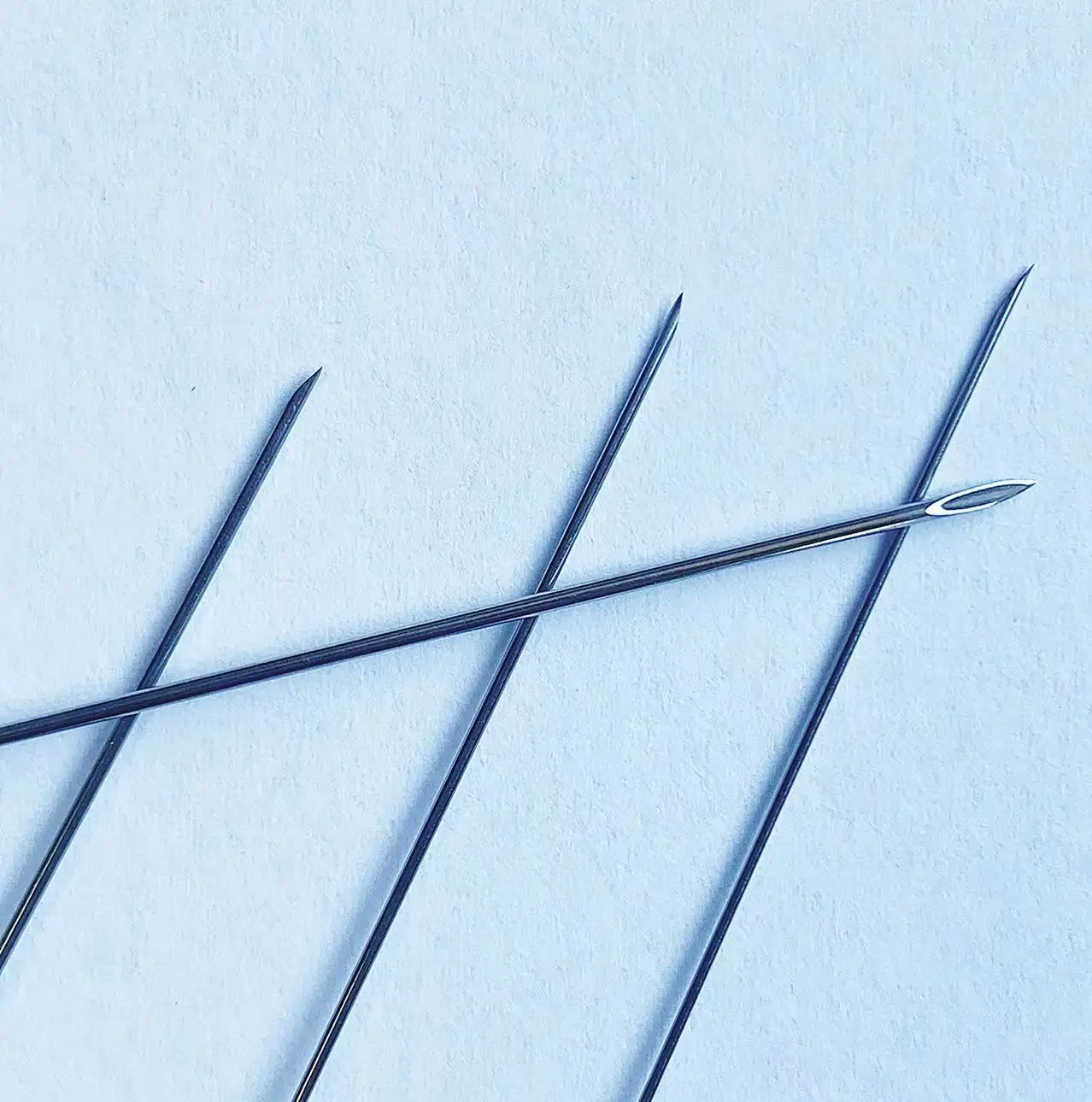
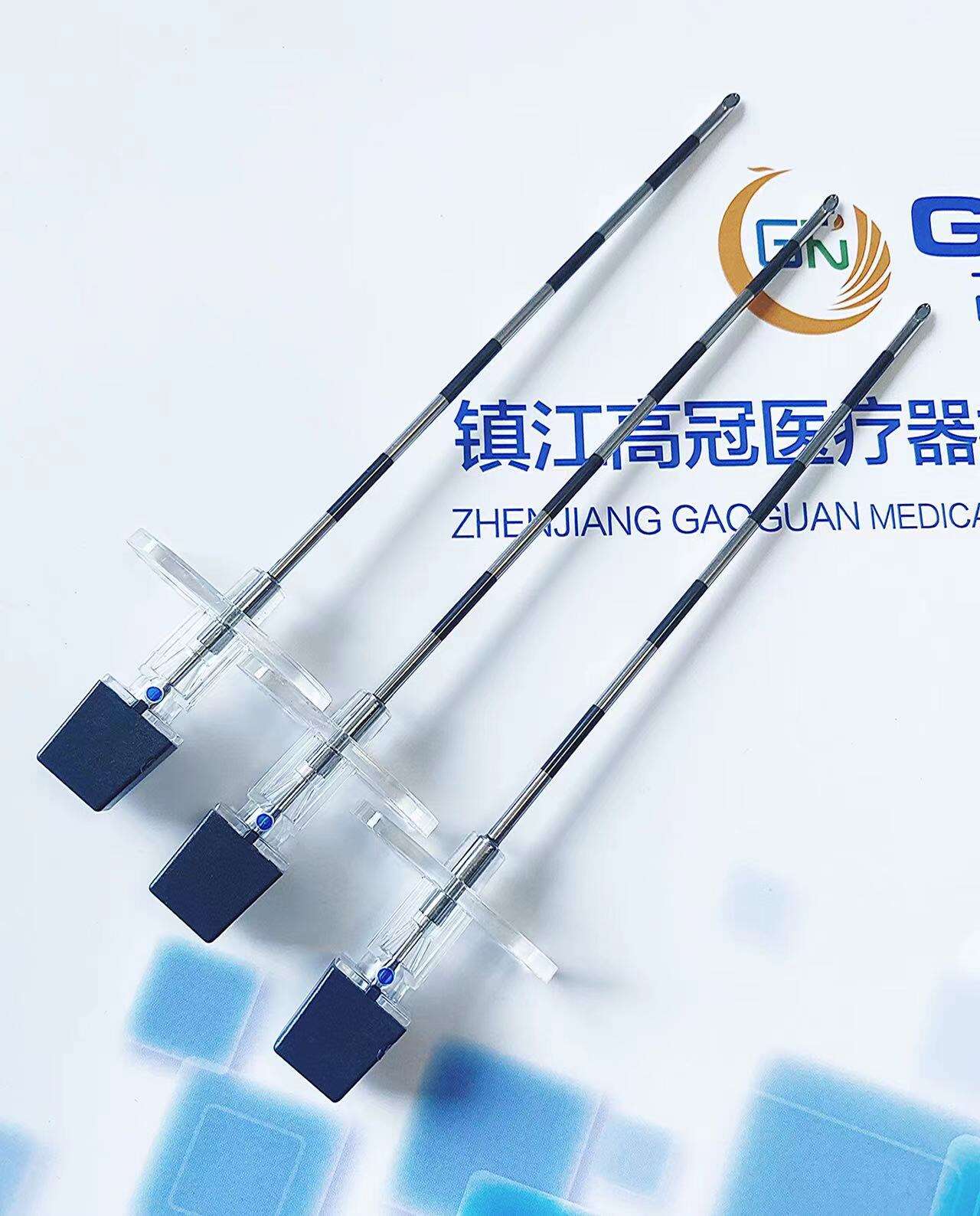
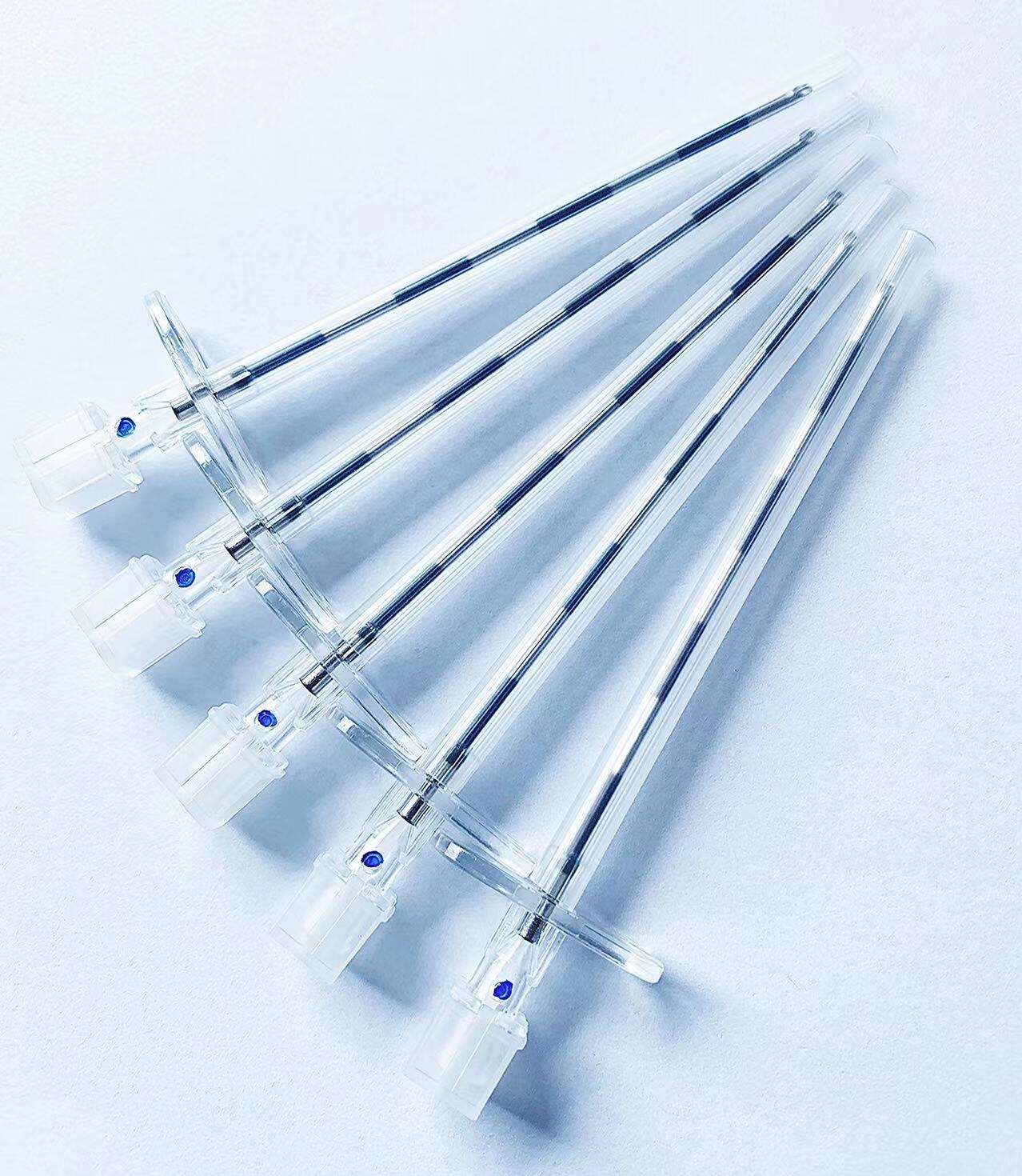
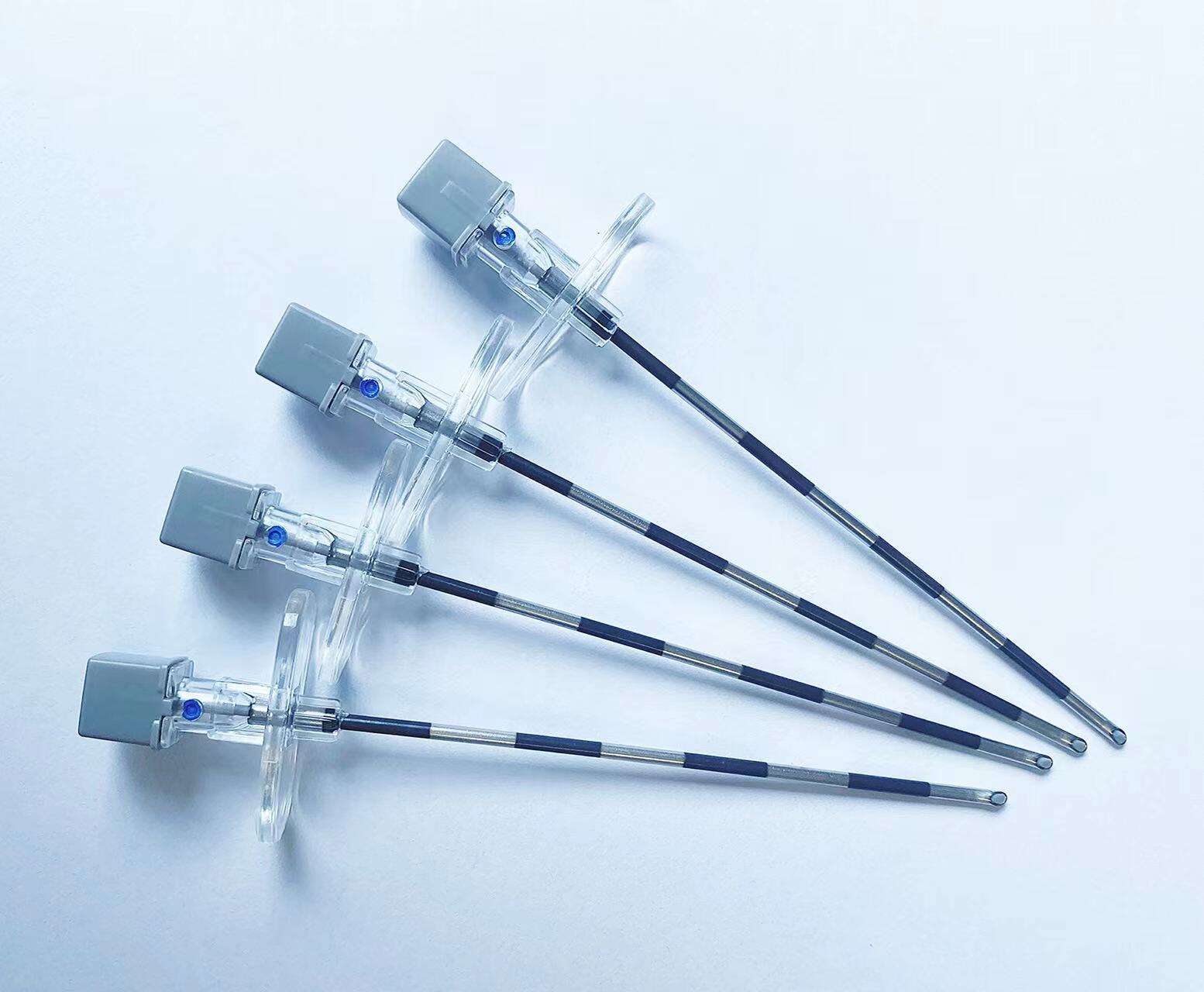
Un ago per anestesia epidurale rappresenta uno strumento medico specializzato progettato specificamente per somministrare un'anestesia regionale attraverso un posizionamento preciso nello spazio epidurale della colonna vertebrale. Questo sofisticato dispositivo funge da strumento principale per fornire analgesia durante diverse procedure mediche, in particolare il parto, gli interventi chirurgici e i trattamenti per il dolore cronico. L'ago per anestesia epidurale agisce creando un percorso controllato attraverso il quale agenti anestetici possono essere introdotti nello spazio epidurale, bloccando efficacemente i segnali nervosi responsabili della trasmissione delle sensazioni dolorose al cervello. Le caratteristiche tecnologiche degli aghi moderni per anestesia epidurale incorporano principi avanzati di ingegneria volti a garantire sicurezza ed efficacia. Tali strumenti presentano generalmente una punta curva di tipo Tuohy, che aiuta l'operatore a navigare tra i diversi strati tissutali riducendo il rischio di puntura durale accidentale. L'asta dell'ago è realizzata in acciaio inossidabile di alta qualità, che garantisce resistenza ottimale e flessibilità durante le procedure di inserimento. Molti modelli contemporanei sono dotati di marcature speciali per la profondità, che assistono i professionisti sanitari nel determinare con precisione la profondità di inserimento, migliorando l'accuratezza procedurale e la sicurezza del paziente. Le applicazioni dell'ago per anestesia epidurale riguardano diverse specialità mediche, tra cui ostetricia, chirurgia ortopedica, chirurgia generale e centri per la terapia del dolore. Nell'ambito dell'assistenza ostetrica, questi aghi permettono un'esperienza di parto più confortevole grazie a un efficace sollievo dal dolore, senza compromettere la sicurezza materna o fetale. Le applicazioni chirurgiche includono interventi sull'addome inferiore, sul bacino e sugli arti inferiori, dove l'anestesia regionale offre vantaggi distinti rispetto all'anestesia generale. Gli specialisti della terapia del dolore utilizzano gli aghi per anestesia epidurale nel trattamento di patologie croniche come ernie del disco, stenosi spinale e varie forme di dolore neuropatico. Il design dello strumento include caratteristiche ergonomiche che facilitano un controllo preciso durante le procedure di inserimento, assicurando risultati costanti in diversi contesti clinici.
 EN
EN