 EN
EN

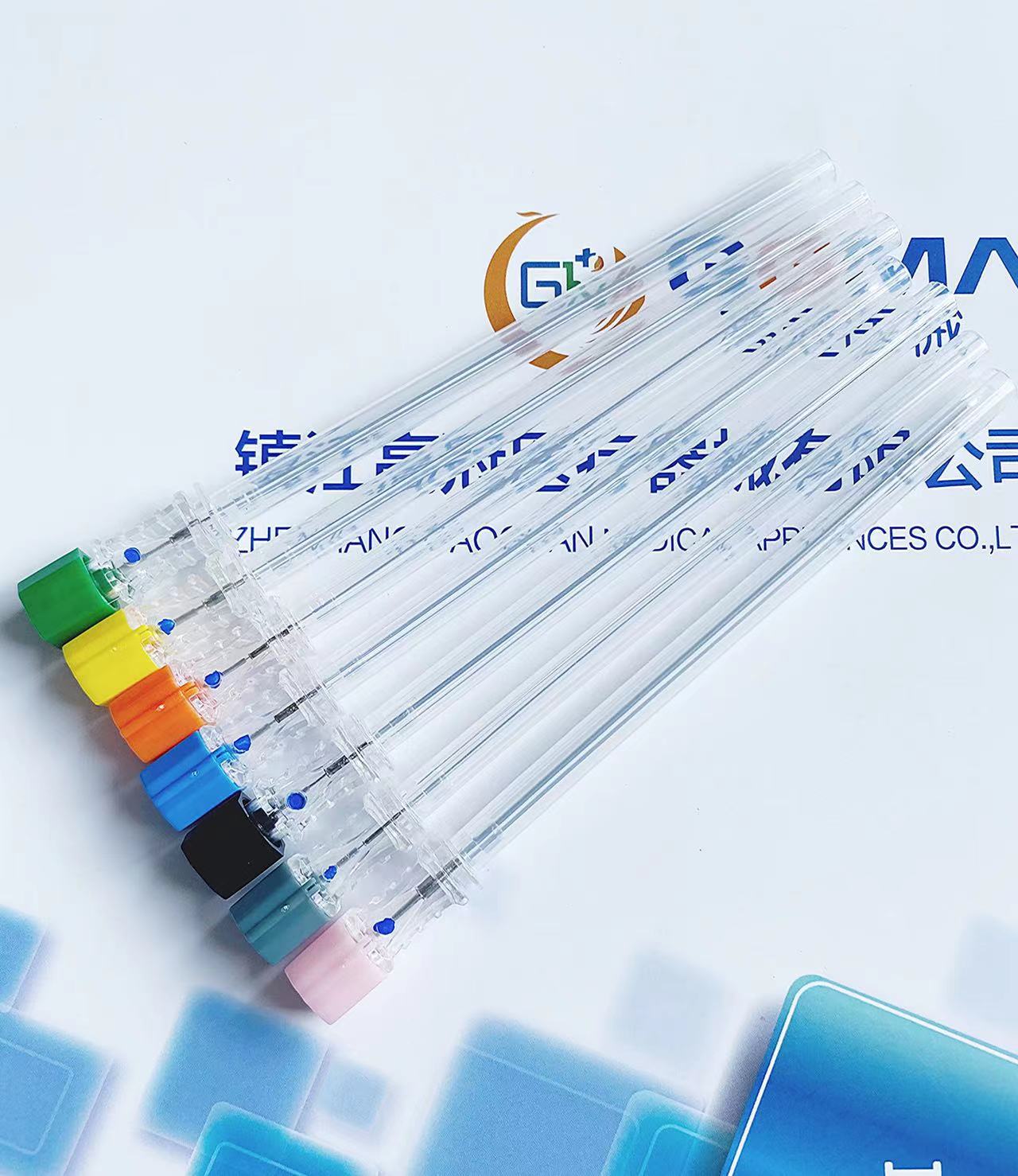
Choosing the correct epidural needle gauge represents one of the most critical decisions anesthesiologists face when performing neuraxial procedures. The gauge selection directly impacts patient comfort, procedure success rates, and the risk of complications such as post-dural puncture headache. Understanding the fundamental differences between labor analgesia and surgical anesthesia requirements enables clinicians to make informed decisions that optimize patient outcomes while maintaining procedural efficiency.
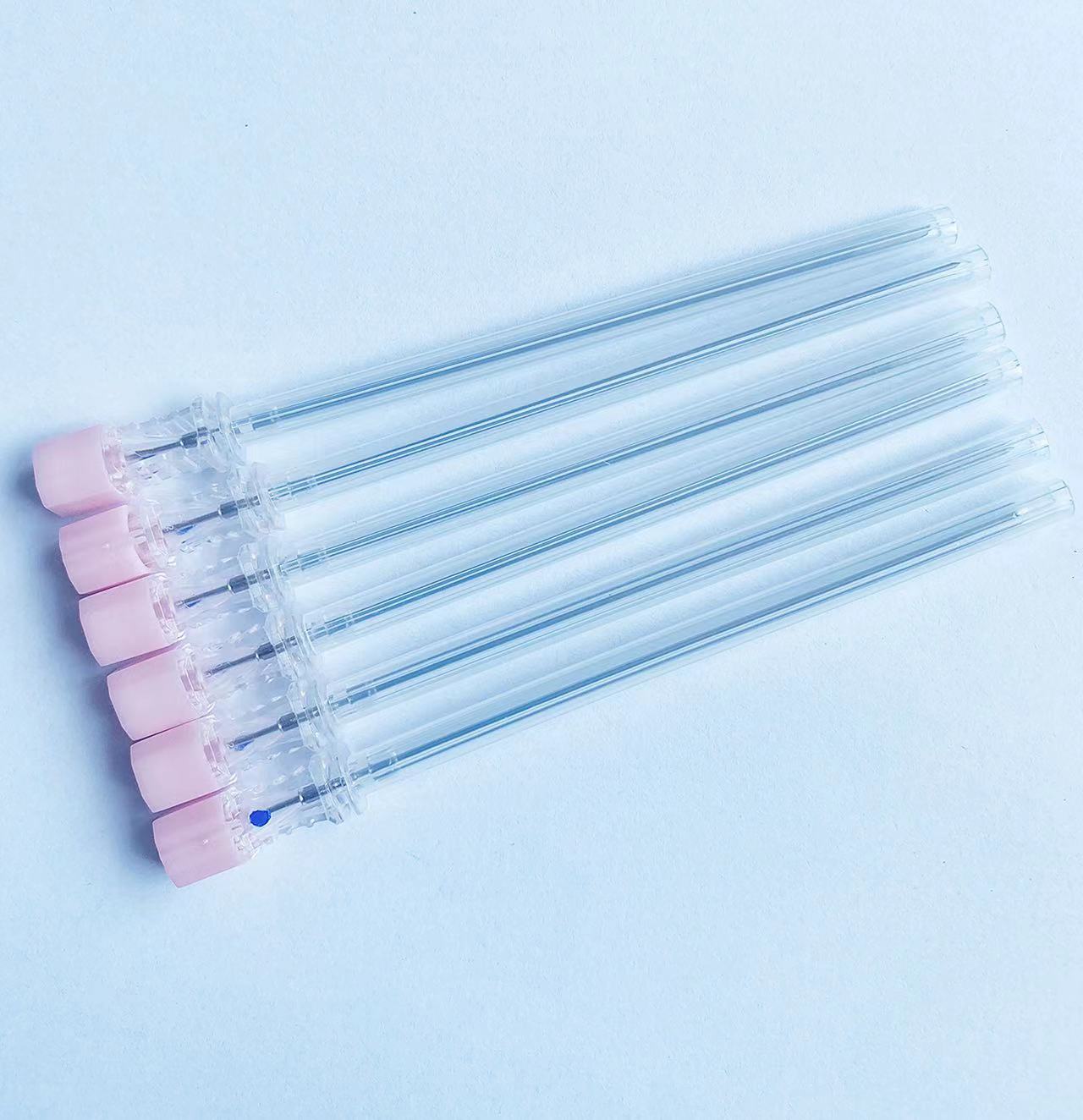
The epidural needle gauge selection process involves evaluating multiple clinical factors including the patient's anatomy, the intended procedure duration, the required depth of anesthesia, and the urgency of the clinical situation. Labor analgesia typically requires different considerations compared to surgical anesthesia, as the goals, timing, and patient physiological state vary significantly between these two clinical scenarios.
Understanding Epidural Needle Gauge Specifications and Clinical Implications
Gauge Size Fundamentals and Needle Characteristics
Epidural needle gauge refers to the diameter of the needle, with smaller gauge numbers indicating larger needle diameters. The most commonly used epidural needle gauge options range from 16-gauge to 20-gauge, with each size offering distinct advantages and limitations. An 18-gauge needle, for example, provides an optimal balance between ease of insertion and reduced trauma to surrounding tissues.
The relationship between epidural needle gauge and clinical outcomes has been extensively studied in anesthesiology literature. Larger gauge needles facilitate faster medication delivery and provide better tactile feedback during insertion, while smaller gauge needles reduce tissue trauma and may decrease the incidence of post-procedure complications. Understanding these trade-offs helps clinicians select the most appropriate needle size for each specific clinical scenario.
Needle tip design also varies with different gauge selections, affecting the puncture characteristics and ease of epidural space identification. Tuohy needles, which feature a curved tip design, are commonly available in various gauge sizes and provide excellent control during epidural space entry. The epidural needle gauge selection must consider both the diameter and tip configuration to achieve optimal procedural outcomes.
Material Properties and Manufacturing Considerations
Modern epidural needles are manufactured using high-grade stainless steel or specialized alloys that provide the necessary strength and sharpness for reliable performance. The epidural needle gauge affects the structural integrity of the needle, with larger gauge needles offering greater resistance to bending or breaking during insertion through tough ligamentous structures.
Surface treatments and coating technologies have evolved to enhance needle performance across different gauge sizes. Some manufacturers apply specialized coatings that reduce friction during insertion, making smaller gauge epidural needles more practical for challenging anatomical presentations. These technological advances have expanded the clinical utility of various needle gauge options.
Quality control standards for epidural needle gauge manufacturing ensure consistent performance and safety across different product lines. Understanding these manufacturing specifications helps clinicians make informed decisions about needle selection based on reliable performance characteristics rather than arbitrary preferences or institutional habits.
Labor Analgesia Epidural Needle Gauge Selection Criteria
Patient Comfort and Procedure Duration Considerations
Labor analgesia presents unique challenges for epidural needle gauge selection due to the conscious patient state and the need for optimal comfort throughout the procedure. Pregnant patients are typically awake and aware during epidural placement, making patient comfort a primary consideration. Smaller gauge epidural needles generally cause less discomfort during insertion, though they may require more skill and time to achieve successful epidural space entry.
The anticipated duration of labor analgesia influences epidural needle gauge selection, as longer procedures may benefit from the reliability and ease of catheter insertion associated with larger gauge needles. An 18-gauge epidural needle often represents an optimal compromise between patient comfort and procedural reliability for labor analgesia applications.
Maternal anatomy changes during pregnancy, including increased tissue hydration and altered ligamentous structures, affect epidural needle gauge performance. These physiological changes may favor certain needle sizes based on their ability to navigate through modified anatomical landmarks and achieve consistent epidural space identification.
Catheter Compatibility and Medication Delivery Requirements
Labor analgesia typically requires continuous medication delivery through an epidural catheter, making catheter compatibility a crucial factor in epidural needle gauge selection. The internal diameter of different gauge needles affects catheter threading ease and the risk of catheter damage during insertion. Proper gauge selection ensures smooth catheter advancement without excessive resistance or catheter deformation.
Medication flow rates through epidural catheters can be influenced by the initial epidural needle gauge selection, particularly when catheter diameter varies with different needle sizes. Labor analgesia often requires precise titration of analgesic medications, making consistent flow characteristics important for optimal pain management throughout the labor process.
The ability to perform epidural test doses and incremental medication administration depends partly on the catheter system established through the chosen epidural needle gauge. Smaller gauge systems may provide more precise control for the gradual onset analgesia typically desired in labor patients, while larger gauge systems offer more reliable medication delivery for urgent situations.
Surgical Anesthesia Epidural Needle Gauge Optimization
Rapid Onset Requirements and Dense Block Achievement
Surgical anesthesia demands differ significantly from labor analgesia in terms of onset speed and block density requirements. Surgical procedures require rapid establishment of profound anesthesia, often favoring larger epidural needle gauge selections that facilitate faster medication delivery and more reliable catheter placement. The urgency of surgical timing may prioritize procedural efficiency over minor comfort considerations.
Dense sensory and motor blockade necessary for surgical anesthesia may be better achieved with epidural needle gauge selections that allow for larger volume medication administration. The relationship between needle size, catheter size, and medication delivery dynamics becomes critical when time constraints and complete anesthesia are paramount considerations.
Operating room workflow efficiency often influences epidural needle gauge preferences for surgical anesthesia. Anesthesiologists may prefer needle sizes that provide consistent, predictable performance under time pressure, even if slightly larger gauges cause marginally more discomfort during insertion in unconscious patients.
Complex Surgical Procedure Considerations
Extended surgical procedures may require epidural needle gauge selections that support reliable long-term catheter function and repeated medication administration. Complex abdominal or thoracic surgeries place different demands on epidural systems compared to shorter procedures, potentially favoring more robust catheter systems established through appropriate needle gauge choices.
Surgical positioning requirements may affect epidural needle gauge performance, particularly when patients must be repositioned after epidural placement. Certain needle gauge selections may provide more stable catheter systems that maintain function through position changes and surgical manipulation.
Post-operative pain management considerations may influence initial epidural needle gauge selection for surgical anesthesia. The anticipated need for continued epidural analgesia into the post-operative period may favor needle gauge choices that establish optimal catheter systems for extended use.
Clinical Decision-Making Framework for Epidural Needle Gauge Selection
Patient Assessment and Risk Stratification
Comprehensive patient assessment forms the foundation of appropriate epidural needle gauge selection, incorporating factors such as body habitus, spinal anatomy, previous neuraxial procedures, and bleeding risk factors. Obese patients may require different epidural needle gauge considerations compared to patients with normal body weight, as increased tissue thickness affects needle performance and procedural difficulty.
Age-related anatomical changes influence epidural needle gauge selection, with elderly patients often presenting calcified ligaments and altered spinal anatomy that may favor specific needle size choices. Young, healthy patients may tolerate a wider range of epidural needle gauge options, allowing for greater flexibility in selection based on other clinical factors.
Coagulation status assessment affects epidural needle gauge selection risk-benefit calculations, as larger needles theoretically pose greater bleeding risks in patients with compromised hemostasis. However, the clinical significance of gauge-related bleeding risk differences remains debated, with most practitioners prioritizing successful first-attempt placement over theoretical gauge-related bleeding concerns.
Institutional Protocols and Practitioner Experience
Institutional preferences for epidural needle gauge selection often reflect accumulated experience and outcome data specific to local patient populations and practitioner skill levels. Standardizing needle gauge choices within departments can improve consistency and reduce decision-making complexity, though flexibility should be maintained for unusual clinical scenarios.
Practitioner experience with different epidural needle gauge options significantly influences selection success rates and complication risks. Experienced anesthesiologists may achieve excellent outcomes with smaller gauge needles that might prove challenging for less experienced practitioners. Training programs should emphasize proficiency with multiple gauge options to provide clinical flexibility.
Quality improvement initiatives tracking epidural needle gauge selection outcomes help refine institutional protocols and identify optimal practices for specific patient populations. Data collection should include success rates, complication frequencies, and patient satisfaction metrics across different gauge selections to guide evidence-based practice evolution.
FAQ
What epidural needle gauge is most commonly used for labor analgesia?
Most anesthesiologists prefer 18-gauge epidural needles for labor analgesia because they provide an optimal balance between patient comfort and procedural reliability. This epidural needle gauge offers sufficient size for easy catheter insertion while minimizing tissue trauma and patient discomfort during placement.
Can the same epidural needle gauge be used for both labor analgesia and surgical anesthesia?
Yes, many practitioners successfully use 18-gauge epidural needles for both labor analgesia and surgical anesthesia applications. However, some clinicians prefer 17-gauge needles for surgical cases requiring rapid onset dense blocks, while others choose 19-gauge or 20-gauge needles for labor patients prioritizing maximum comfort.
How does epidural needle gauge affect the risk of post-dural puncture headache?
Larger epidural needle gauge selections theoretically increase the risk and severity of post-dural puncture headache if accidental dural puncture occurs. However, the incidence of dural puncture is more strongly related to practitioner experience and technique than to specific epidural needle gauge choices within the commonly used range.
What factors should guide epidural needle gauge selection in emergency situations?
Emergency epidural procedures typically favor familiar epidural needle gauge selections that maximize the likelihood of successful first-attempt placement. Most practitioners choose 18-gauge needles for emergency situations because they provide reliable performance across diverse patient presentations while maintaining reasonable comfort levels for conscious patients.
Table of Contents
- Understanding Epidural Needle Gauge Specifications and Clinical Implications
- Labor Analgesia Epidural Needle Gauge Selection Criteria
- Surgical Anesthesia Epidural Needle Gauge Optimization
- Clinical Decision-Making Framework for Epidural Needle Gauge Selection
-
FAQ
- What epidural needle gauge is most commonly used for labor analgesia?
- Can the same epidural needle gauge be used for both labor analgesia and surgical anesthesia?
- How does epidural needle gauge affect the risk of post-dural puncture headache?
- What factors should guide epidural needle gauge selection in emergency situations?