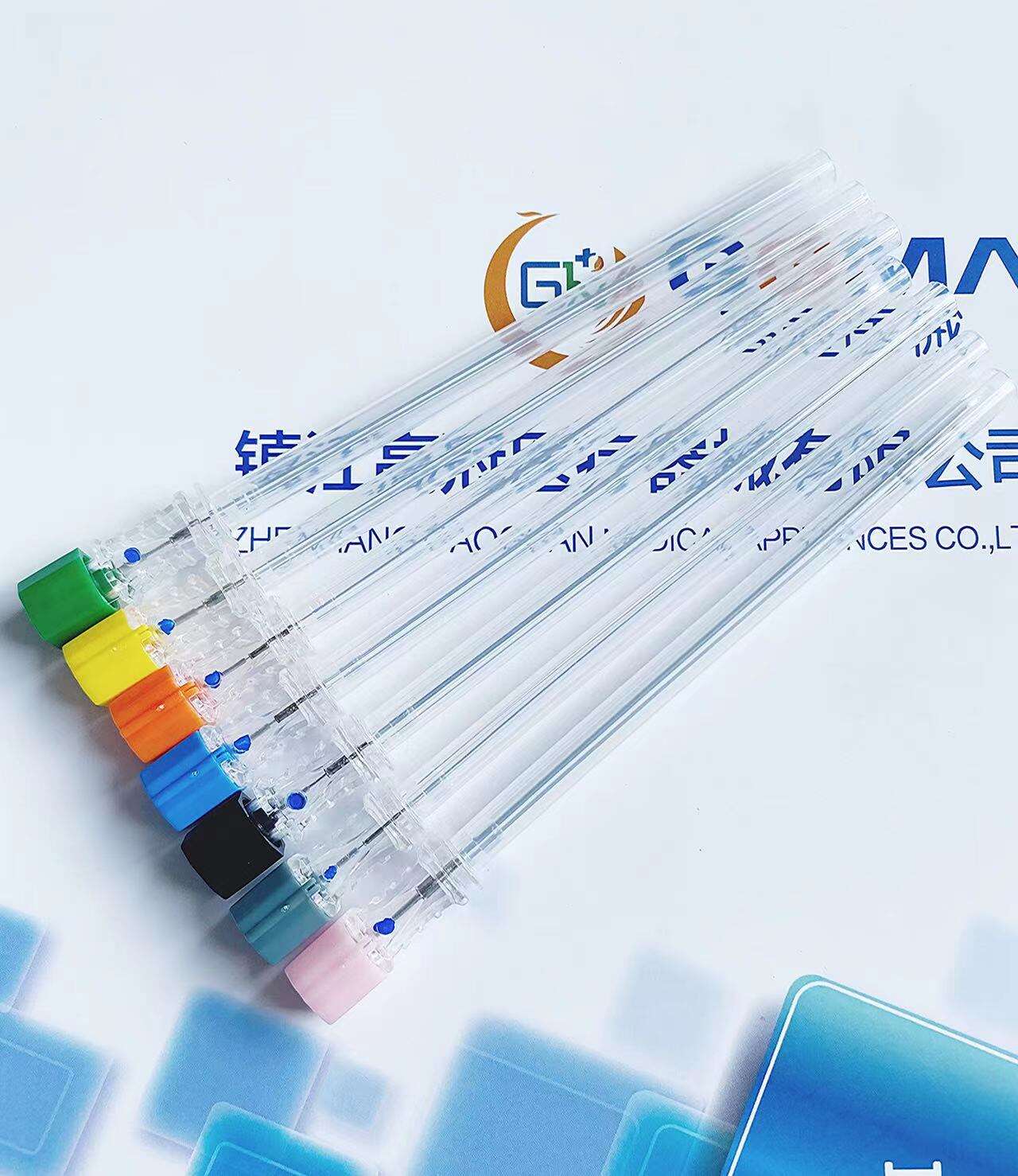
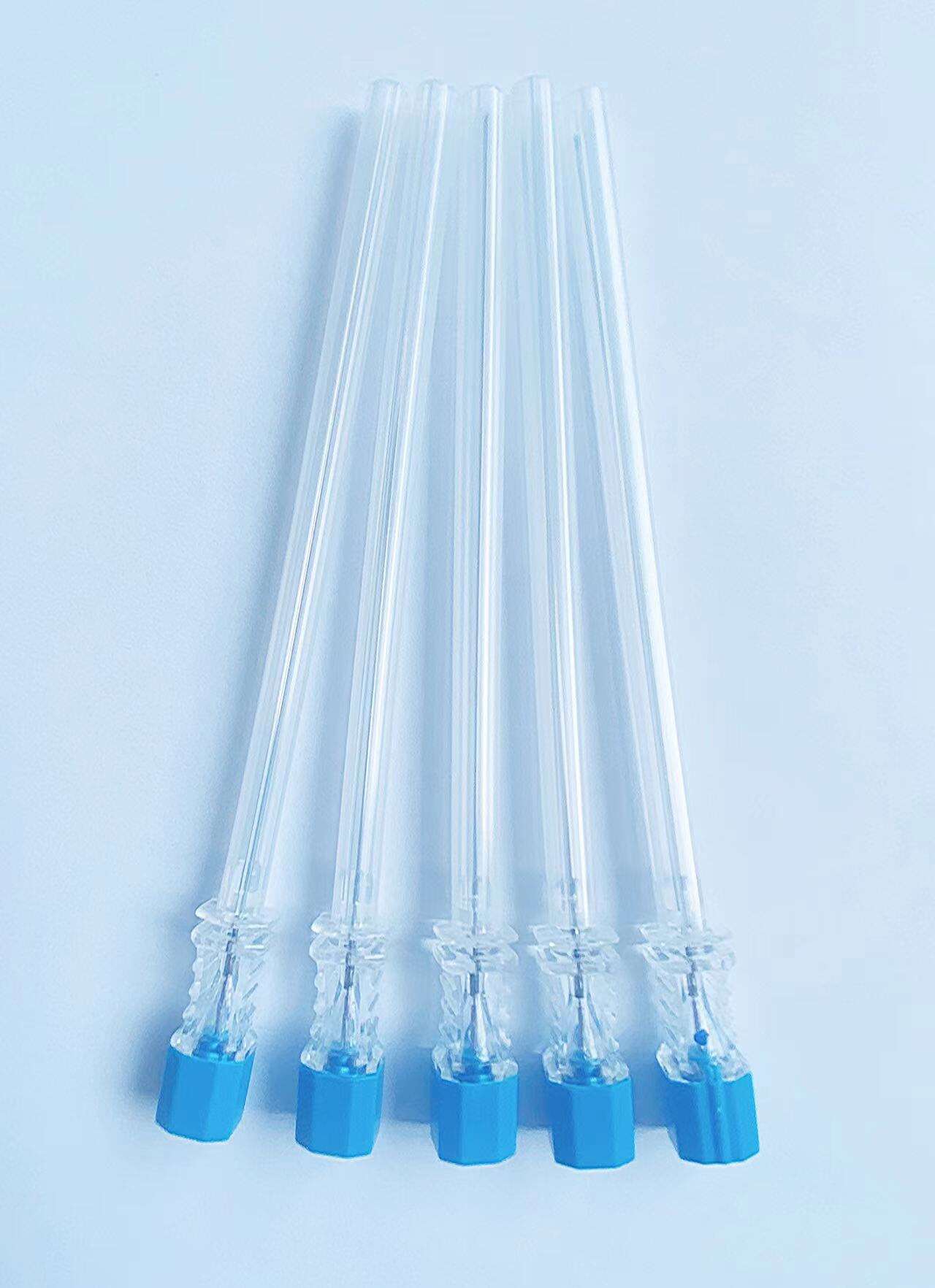
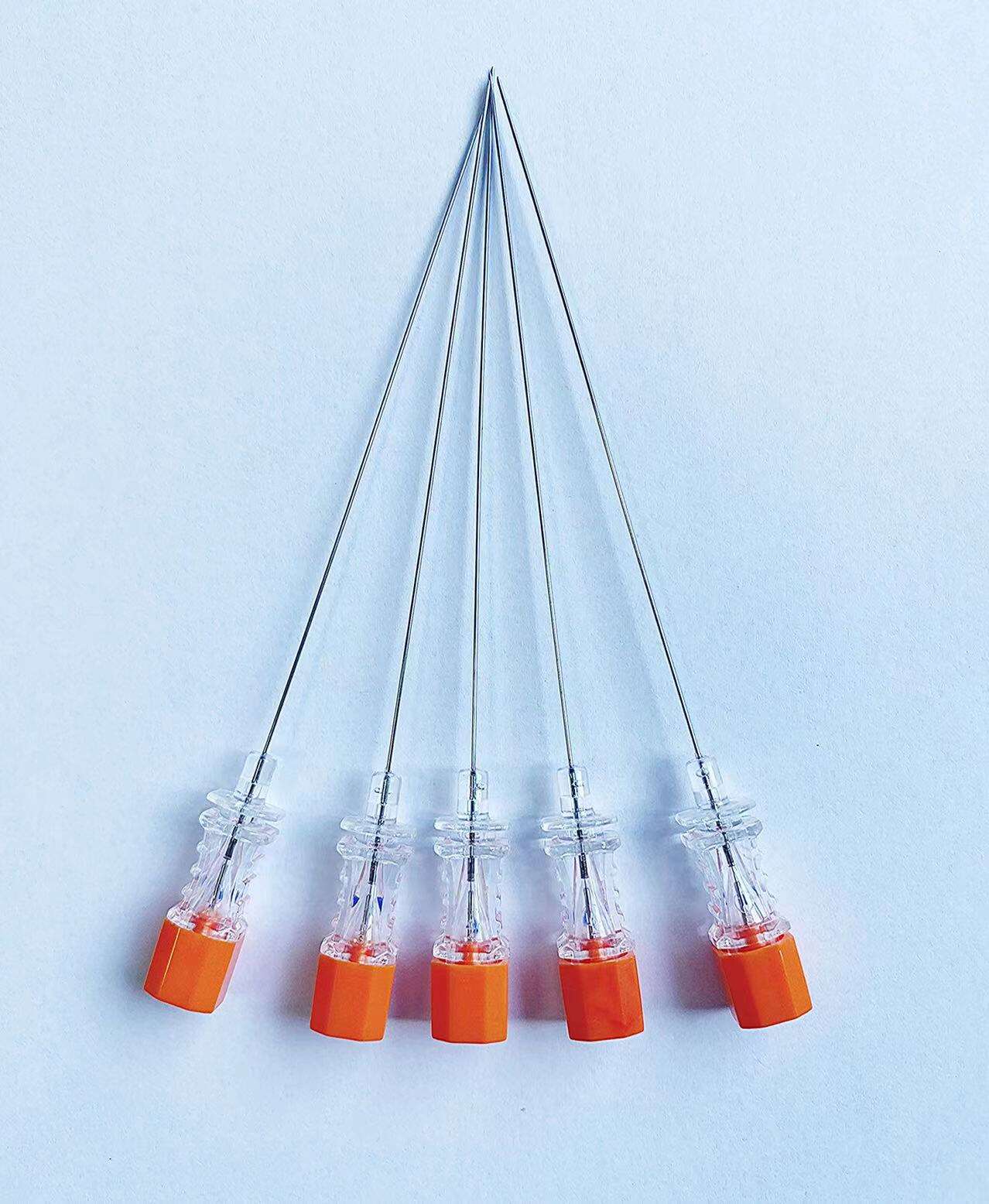
إبرة العمود الفقري بنصيحة كينك
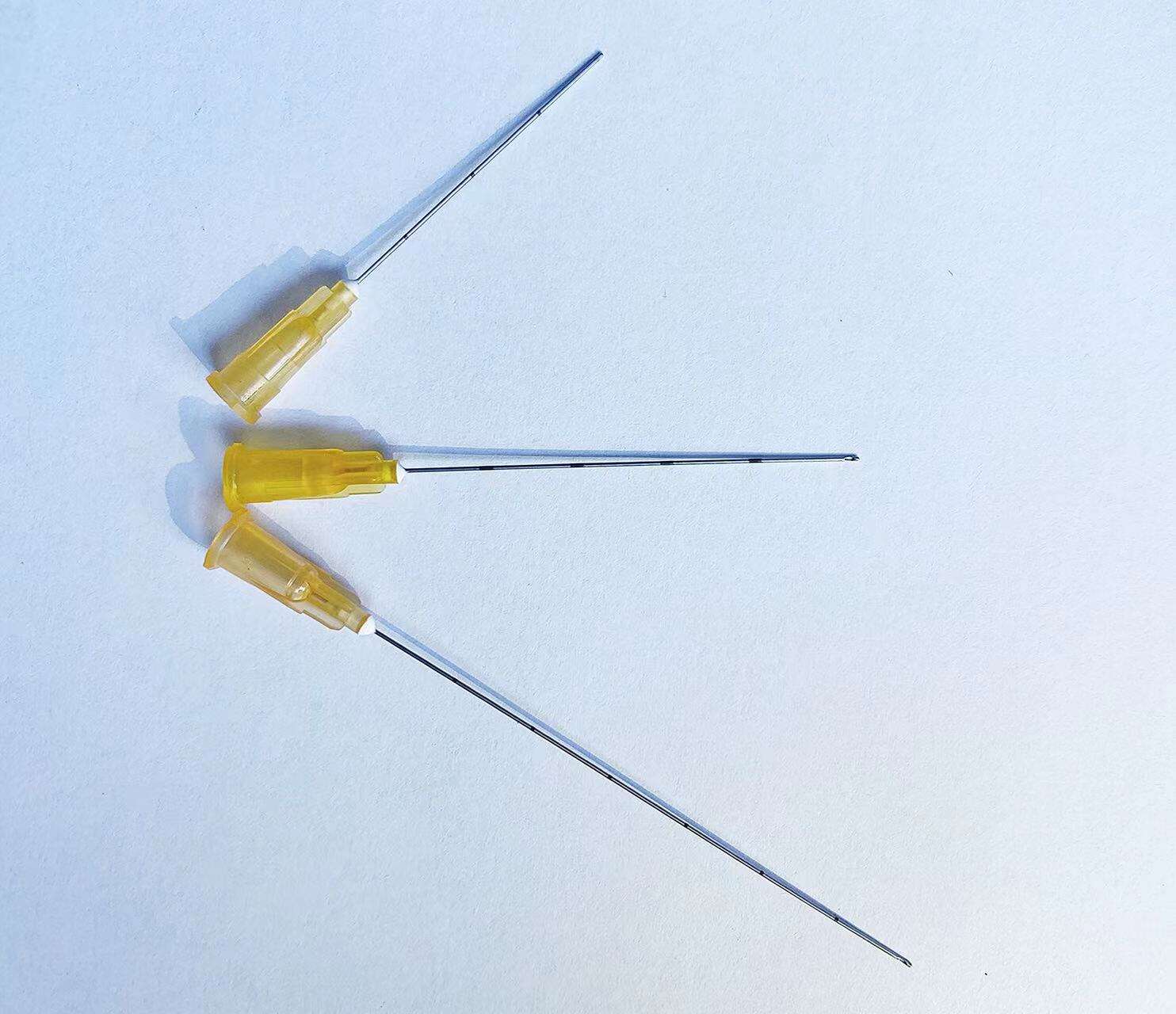
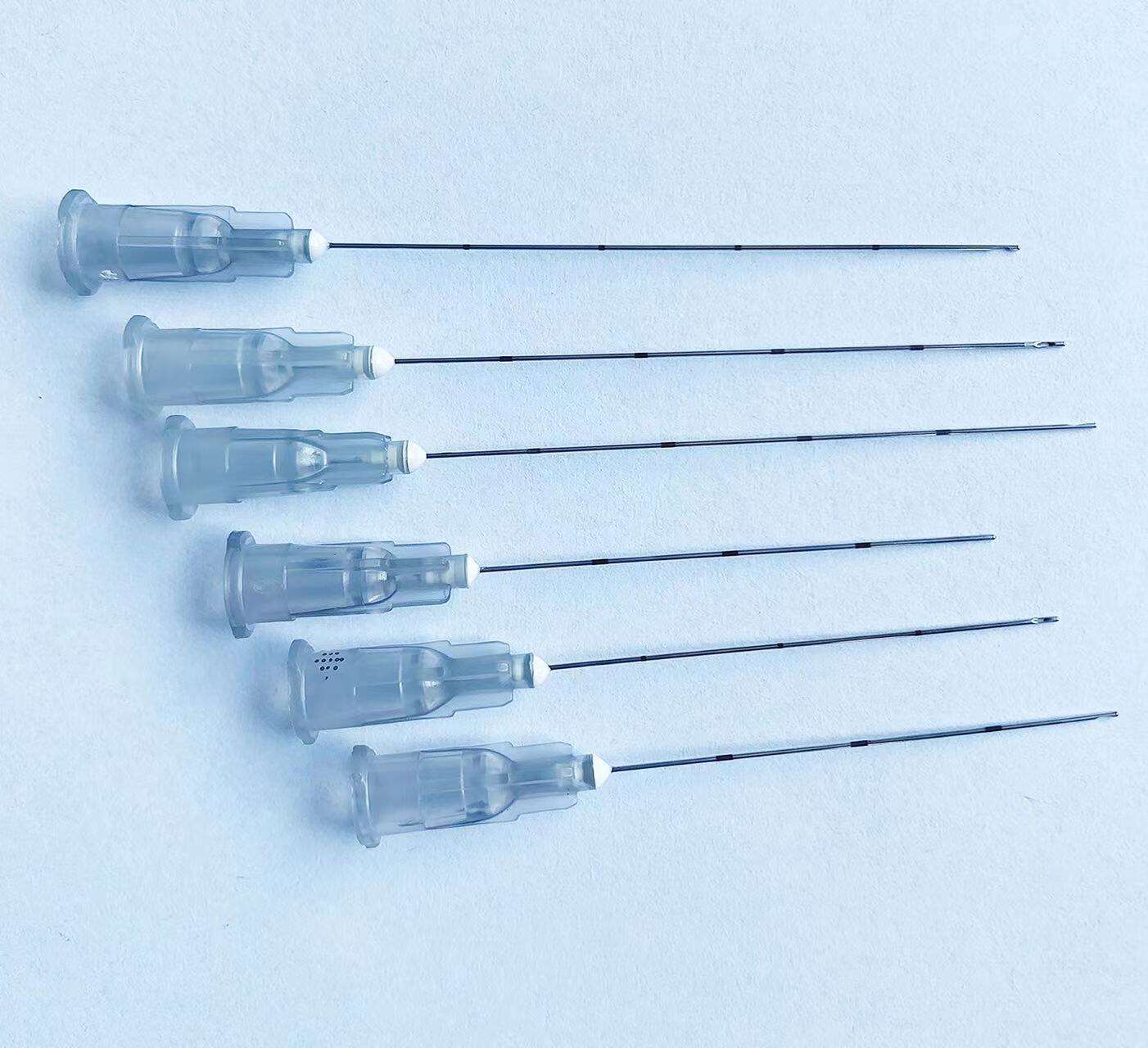
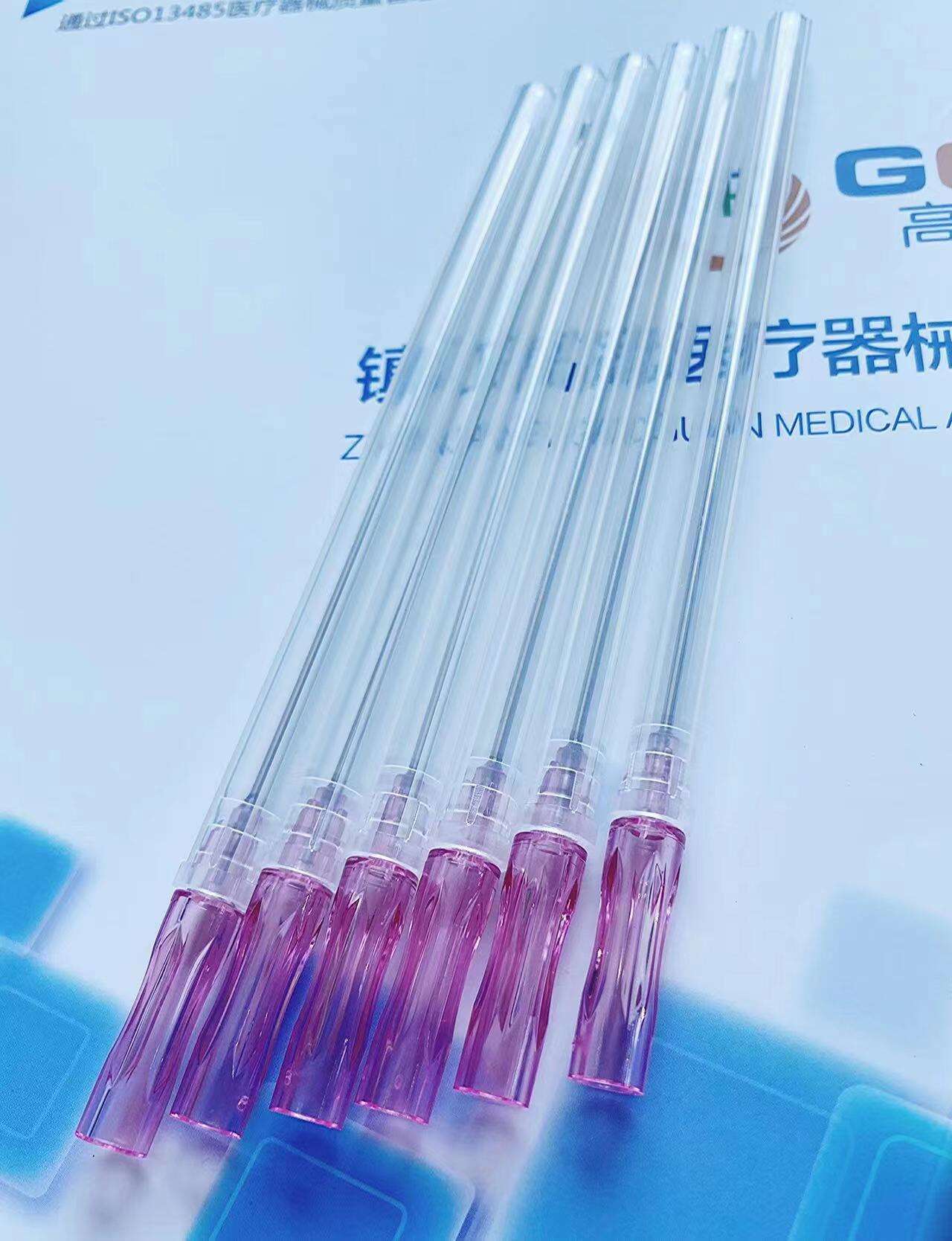
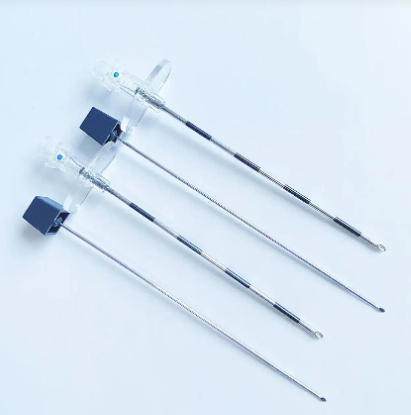
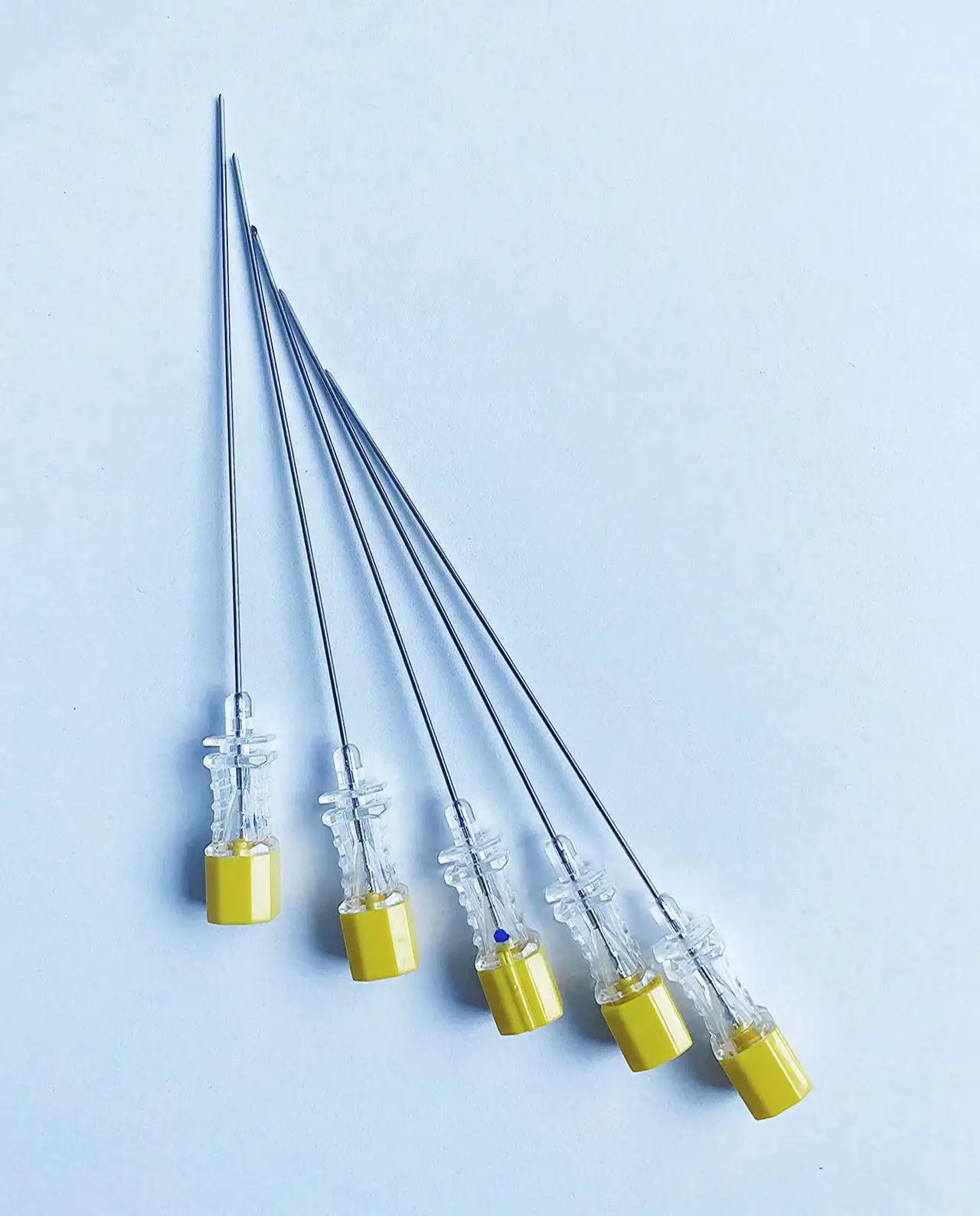
يمثل إبرة القَحْف ذات الرأس كويك تقدماً أساسياً في الأجهزة الطبية المصممة خصيصاً لإجراءات البزل القَحْفي وجمع السائل النخاعي. وتتميز هذه الأداة الطبية المتخصصة بتصميم متطور يضم تشكيلة مائلة ونقطية حادة تم هندستها لاختراق طبقات الأنسجة بدقة استثنائية وبأقل قدر من الانزعاج للمريض. تعمل إبرة القَحْف ذات الرأس كويك كعنصر أساسي في الإجراءات القَحْفية التشخيصية والعلاجية، مما يمكن المهنيين الصحيين من الوصول إلى الفراغ تحت الجافية بأمان وفعالية. ويشمل المبنى التكنولوجي لهذه الأداة عدداً من العناصر التصميمية الحرجة التي تميزها عن أنظمة الإبر التقليدية. ويتضمن تكوين رأس كويك فتحة جانبية موضوعة بشكل استراتيجي بالقرب من الطرف النهائي للإبرة، مما يسمح بتدفق منظم للسائل النخاعي مع الحفاظ على السلامة الهيكلية طوال مدة الإجراء. ويقلل هذا التصميم المبتكر من صدمات الأنسجة أثناء الإدخال وإزالة الإبرة، ما يقلل بشكل كبير من خطر حدوث مضاعفات بعد الإجراء مثل الصداع القَحْفي أو النزيف. ويتضمن عملية التصنيع هندسة دقيقة باستخدام مواد من الفولاذ المقاوم للصدأ عالي الجودة تضمن المتانة والتوافق الحيوي ومقاومة التآكل. وتُستخدم إبرة القَحْف ذات الرأس كويك على نطاق واسع في مختلف التخصصات الطبية، بما في ذلك علم الأعصاب، وطب التخدير، والطب الطارئ، ومراكز التصوير التشخيصي. وتشمل الوظائف الرئيسية أخذ عينات من السائل النخاعي لتحليلها مخبرياً، وإعطاء الأدوية داخل الجافية، وتوصيل التخدير النخاعي، وإجراءات التصوير الشوكي. وتمتد مرونة الإبرة لتشمل التدخلات التشخيصية والعلاجية على حد سواء، ما يجعلها أداة لا غنى عنها في الممارسة الطبية الحديثة. وتعتمد المرافق الصحية في جميع أنحاء العالم على إبرة القَحْف ذات الرأس كويك في عمليات البزل القَحْفي الروتينية، مما يتيح تشخيصاً دقيقاً للحالات العصبية، والعدوى، والأمراض الالتهابية التي تؤثر على الجهاز العصبي المركزي. وقد رسّخ اعتماد هذه الأداة وأداؤها المتسق مكانتها كمعيار ذهبي في إجراءات الوصول إلى العمود الفقري.
 EN
EN